Can ginger cause joint pain? What to know before you add it

Published November 13, 2026. We are an independent information resource, not a medical provider, and this article is educational rather than medical advice.
Can ginger cause joint pain? In most cases the answer is no. Ginger is a common kitchen root that is generally well tolerated, and the mild effects people mention most are digestive. This JointsAid guide explains why the two get linked, what else can make joints ache, and how to test a new item fairly.
Ginger is not a usual cause of joint pain. Mild stomach effects, such as heartburn, are the more common complaint. If your joints ache after starting it, check other causes, change one thing at a time and ask a doctor if the pain lasts.
Can ginger cause joint pain?
For most people, no. Ginger is a common kitchen root, and the usual advice from health bodies is that it is well tolerated when used in normal food amounts. The effects people most often report from larger amounts are mild and sit in the stomach and gut, such as heartburn or an upset stomach, not in the joints. Joint pain is not the usual complaint linked to ginger.
That said, every body reacts a little differently. If your joints feel worse around the time you started ginger, it is fair to ask whether the two are connected. This guide walks through the common reasons for that timing, how to check, and when to stop and ask a doctor.
Why do people link ginger and joint pain?
Most of the time the link is about timing, not cause. Joint comfort changes from day to day with activity, sleep, the weather, long periods of sitting and many other things. If a new food or supplement happens to start in the same week as a stiff patch, it is easy to blame the new item.
There is also a second reason. Ginger is often named in lists of foods people use for joint comfort, so many readers search for it after joint trouble starts. That means the two topics show up together in search even when one did not cause the other. Our guide to ginger for joint pain covers the traditional use side of the story. This page looks at the opposite question: what if it seems to make things worse.
What side effects does ginger usually have?
General guidance on ginger, including the pages from the National Center for Complementary and Integrative Health and the Mayo Clinic linked below, describes it as generally safe for most healthy adults. The mild effects mentioned most often relate to digestion. They tend to show up when someone takes a lot at once or takes it on an empty stomach.
- Heartburn or a burning feeling in the chest
- An upset stomach, gas or loose stools
- A strong, hot taste that lingers after a capsule or strong tea
- A skin or mouth reaction in people who are sensitive to the root
What else could explain sore joints after starting ginger?
If you notice more joint discomfort after adding ginger, work through the simple causes first. Changing several things at once makes it very hard to know which one matters.
| What changed | Why it can matter |
|---|---|
| A harder workout or a longer walk | Joints often feel stiff for a day or two after a bigger load than usual. |
| More time sitting or standing | Long, still periods can leave joints feeling tight when you move again. |
| Weather or a cold spell | Many people say their joints feel different on cold or damp days. |
| Several new supplements at once | You cannot tell which one, if any, is behind a change. |
| Poor sleep or a stressful week | Both can make normal aches feel louder. |
How can you test it fairly?
A simple log works better than guessing. Write down the date you start a new item, how your joints feel each morning, and what you did that day. Change only one thing at a time. If you stop the new item for a week and your joints feel the same, ginger was probably not the cause. If you stop and feel clearly better, and then feel worse again when you restart, tell your doctor.
Where does ginger sit in the JointsAid formula?
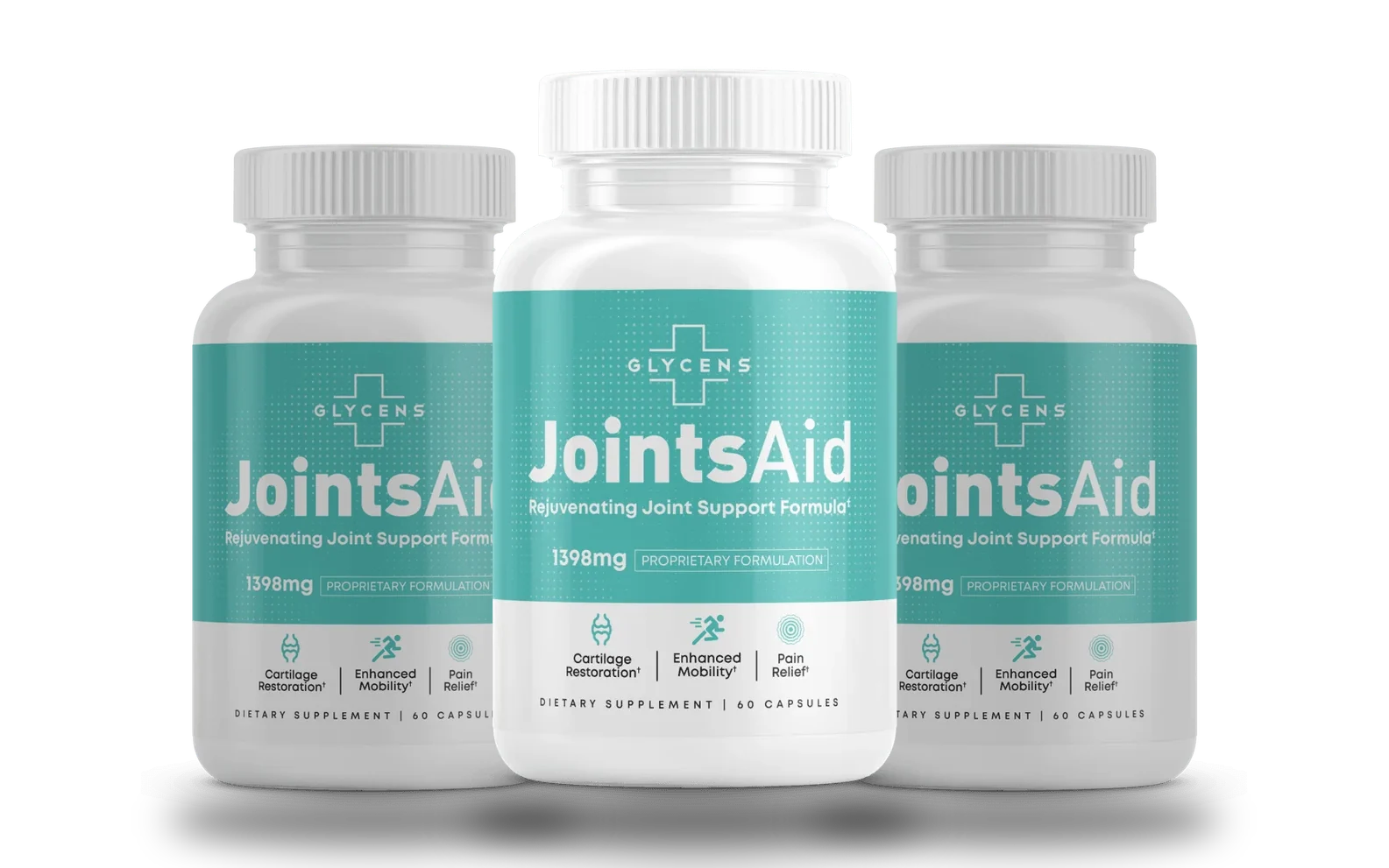
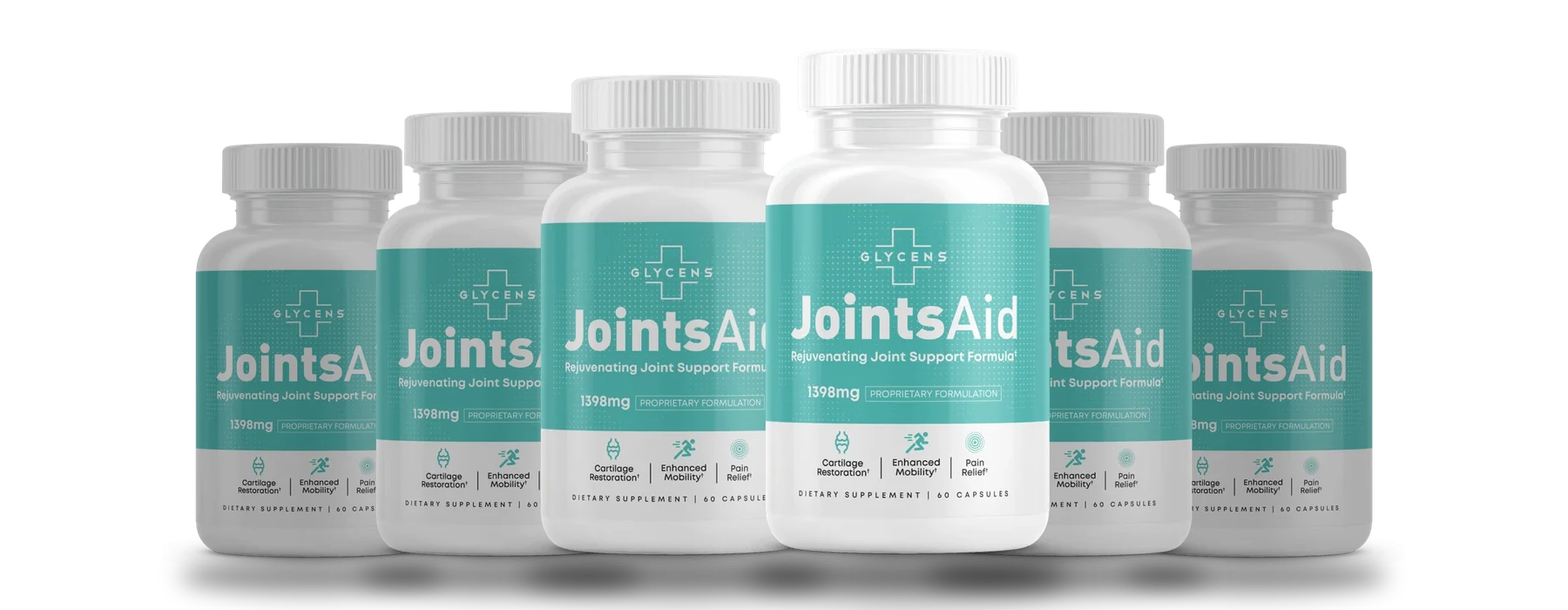
The JointsAid home page lists ginger root and black pepper fruit extract among the ingredients in its 1,398 mg proprietary blend. The blend also names glucosamine sulfate, chondroitin sulfate, MSM, turmeric root, boswellia serrata extract, type II collagen, hyaluronic acid and quercetin. The label gives one total for the blend, so the amount of ginger on its own is not listed. You can read the full list on our JointsAid ingredients page.
Because ginger is one of many actives and the dose is not split out, it is not possible to say how much ginger a person gets from one serving. If you know ginger upsets your stomach, that is a good reason to take the capsules with a meal, as the directions suggest, and to read the label before you start.
One serving, nine named actives
JointsAid is a 60-capsule bottle with a two-capsule daily serving. Prices are $79 for one bottle, $59 per bottle for three and $49 per bottle for six, with free U.S. shipping on the larger packages and a 60-day money-back guarantee.
Order JointsAid from $49/bottleHow to start any new joint supplement with care
Whether you try ginger tea, a ginger capsule or a blend, a slow start is the easiest way to learn how you respond.
- Read the label and the full ingredient list before the first dose.
- Take it with a meal and a full glass of water, as the JointsAid directions say. See how to take JointsAid for the daily routine.
- Do not add other new supplements in the same week.
- Give it several weeks before you judge it. Joint nutrients build their support gradually, so a calm, steady approach tells you more than a one-day test. Our guide on how long JointsAid takes to work explains the timeline.
- Stop and speak with a doctor if you notice swelling, a rash, a new pain or anything that worries you.
When should you talk to a doctor?
Talk to a doctor before using ginger or any joint supplement if you are pregnant or nursing, if you take medicine, or if you have a medical condition. JointsAid is not intended for children, or for anyone who is pregnant or nursing. Also check in if a joint becomes hot, red or swollen, or if pain wakes you at night or does not ease. Those signs deserve a professional look, whatever you have been eating or taking. Read more in our JointsAid side effects guide.
Frequently asked questions
Can ginger cause joint pain?
It is not a usual effect. Ginger is generally well tolerated, and the mild effects people mention most are digestive, such as heartburn or an upset stomach. If your joints feel worse after starting it, check other causes first and talk to a doctor if it continues.
Can ginger tea make joints ache?
There is no common report that ginger tea makes joints ache. A warm drink is usually just a drink. If aches begin after a change in routine, keep a short log, change one thing at a time and ask a doctor if the aches last.
Does JointsAid contain ginger?
Yes. The JointsAid home page lists ginger root and black pepper fruit extract among the ingredients in its 1,398 mg proprietary blend. The label does not give a separate amount for ginger, so check it and talk to a doctor if you have concerns.
Try JointsAid risk-free for 60 days →
JointsAid is a dietary supplement, not a medicine for any medical condition. These statements have not been evaluated by the Food and Drug Administration. This product is not intended to diagnose any disease. Always consult a qualified healthcare professional about your individual needs.
References & further reading
- National Center for Complementary and Integrative Health (NCCIH). Ginger. nccih.nih.gov/health/ginger
- Mayo Clinic. Ginger. mayoclinic.org/drugs-supplements-ginger
- Examine.com. Ginger. examine.com/supplements/ginger
These references describe ingredients and habits in general terms. They are not evidence that any product works for any condition.
Keep reading: ginger for joint pain · JointsAid ingredients · JointsAid side effects · back to the JointsAid blog · homepage.