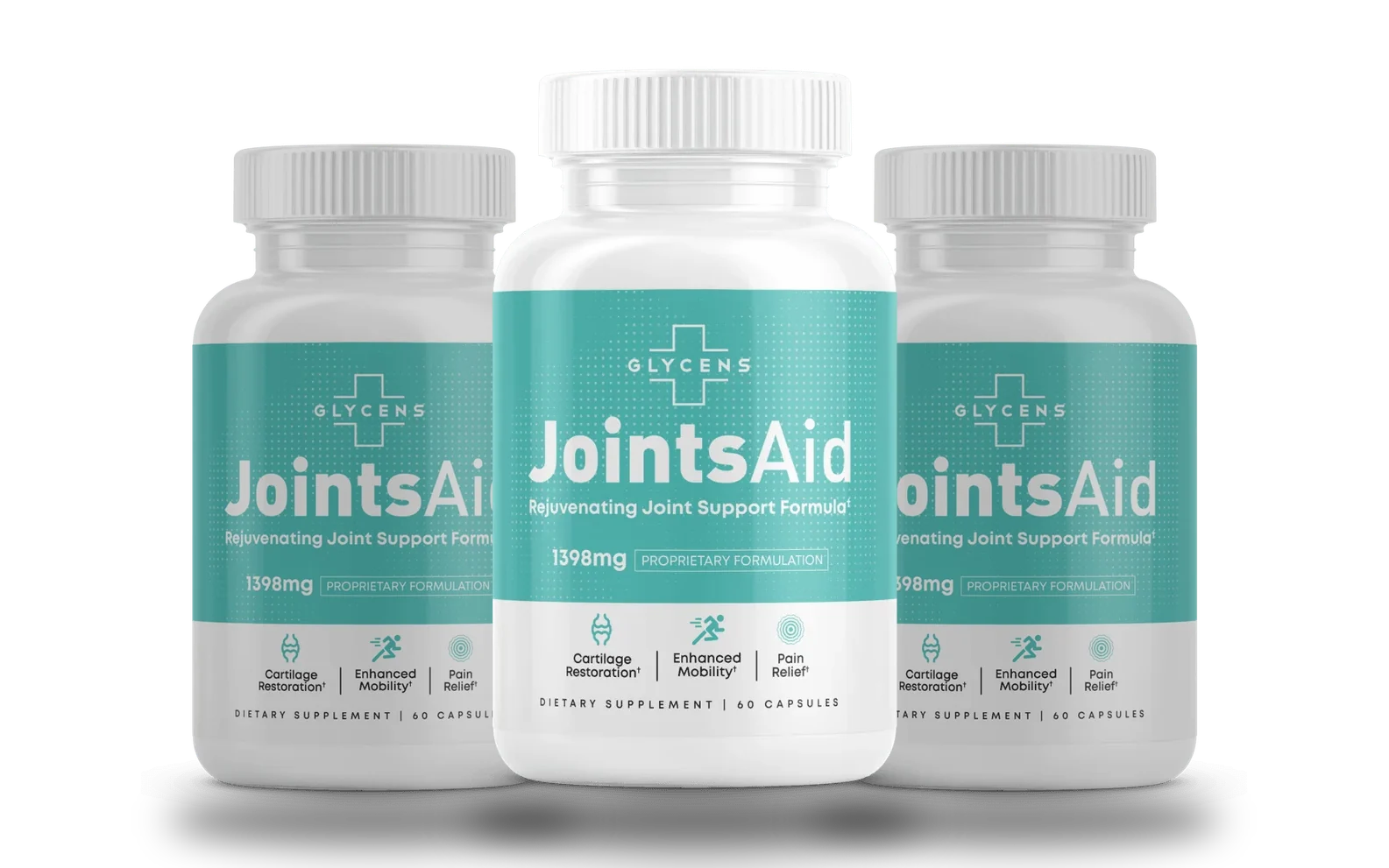
JointsAid and Black Pepper Extract: Why It Is in the Formula
See why the JointsAid label adds black pepper extract to its joint blend, how to take the two capsules, and who should ask a doctor first.
Read the guarantee guide →Plain-language, research-referenced guides from the JointsAid Research Team - on relieving joint pain naturally, the ingredients in the formula, and the everyday habits that keep you moving comfortably. We cite independent, authoritative sources so you can read the science yourself.
See why the JointsAid label adds black pepper extract to its joint blend, how to take the two capsules, and who should ask a doctor first.
Read the guarantee guide →
JointsAid money-back guarantee explained: the 60-day window, one-time purchase with no subscription, and what it means for each package.
Read the guarantee guide →
Where to buy JointsAid: the official store, the three packages from $49 per bottle, free U.S. shipping on larger packs and the 60-day guarantee.
Read the buying guide →
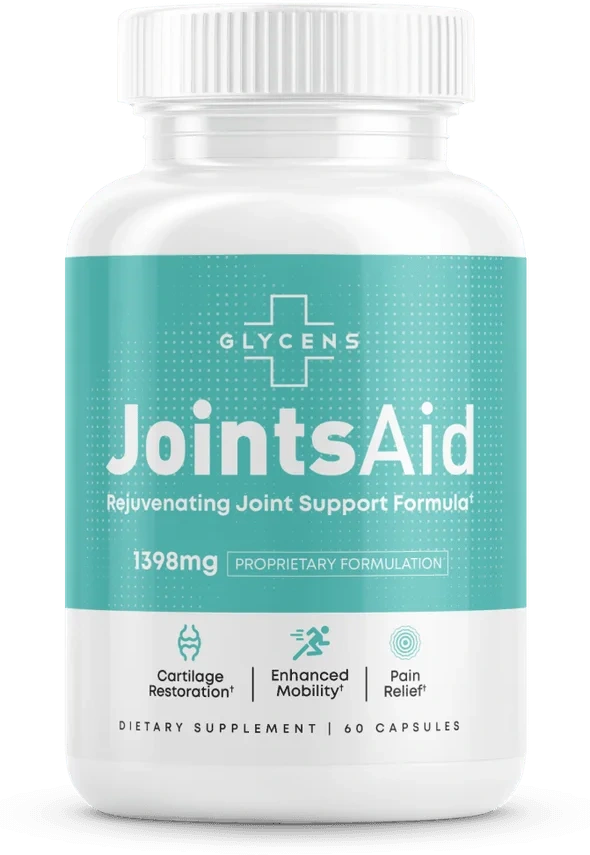
JointsAid supplement explained: a 60-capsule joint formula with a 1,398 mg blend, who it suits, how to take it and where to buy it.
Read the supplement guide →
JointsAid price: $79 for one bottle, $59 each for three, $49 each for six, free U.S. shipping on 3+ bottles, plus a 60-day money-back guarantee.
See the price guide →
JointsAid reviews explained: what the three published buyer comments say, what they leave out, and how to judge any supplement review before you order.
Read the review guide →
Can ginger cause joint pain? Usually not. See the mild effects people report, other reasons joints ache and how to test a new item fairly.
Read the guide →
The five nutrient groups a complete joint formula should cover, and how the JointsAid blend lines up with each one.
Read the guide →
Simple habits first, then how a two-capsule daily JointsAid routine can fit around a busy shift.
Read the guide →
Is JointsAid legit? A plain check of the label, the three prices, the one-time payment and the 60-day guarantee, plus the honest limits.
Read the guide →
Searching for Joint Aid tablets or pills? JointsAid is a capsule, 60 per bottle, two a day. See the format and how to spot look-alikes.
Read the guide →
JointsAid vs a basic glucosamine and chondroitin pill: ten named ingredients in one blend against a short label, and the proprietary blend trade-off.
Read the guide →
How long does JointsAid take to work? A fair results timeline, the eight-week guidance, everyday markers to track and how the 60-day guarantee fits in.
Read the guide →
How to take JointsAid: the two-capsule daily dosage, the best time to take it with a meal, how long one bottle lasts and simple tips to stay consistent.
Read the guide →
JointsAid side effects explained: the mild digestive effects people may notice, who should ask a doctor first and simple habits for a comfortable start.
Read the guide →
JointsAid official website guide: where the product is sold, the three package prices, shipping, the 60-day guarantee and how to avoid look-alike listings.
Read the buying guide →
JointsAid ingredients explained: the 1,398 mg proprietary blend, what each named ingredient is, what the label does not tell you and who should check first.
Read the label guide →
JointsAid’s guide to relieving joint pain naturally: the movement, strength, weight and supplement habits that help keep stiff, achy joints more comfortable.
Read the guide →
JointsAid’s guide to the best foods for joint health: anti-inflammatory, collagen-friendly foods that support comfortable, mobile joints, plus a sample day.
Read the guide →
Looking for the best joint health supplement in 2026? See how JointsAid measures up on blend breadth, dose transparency, sourcing and its 60-day guarantee.
Read the guide →
The best supplements for knees and joints, explained: the actives that matter, how to choose a knee joint supplement, and how JointsAid’s blend lines up.
Read the guide →
Boswellia serrata (frankincense resin) for joint pain: its Ayurvedic history, the evidence, and its role in the JointsAid 1,398 mg joint comfort blend.
Read the guide →
Collagen for joints explained: what type II collagen does inside cartilage, what the trials really show and how it compares with glucosamine in a daily routine.
Read the guide →
Collagen vs glucosamine for joints: JointsAid explains the different jobs each does in cartilage and why its formula pairs both instead of picking a side.
Read the guide →
Does glucosamine really work? A JointsAid fact check separating hype from evidence on joint supplements, and why JointsAid pairs glucosamine with other actives.
Read the guide →
How ginger for joint pain works as a warming comfort botanical: the gingerols behind it, what trials show, kitchen versus capsule doses, and who should be careful.
Read the guide →
Glucosamine sulfate for joint pain explained: what it is, its shellfish source, and how this cartilage building block works inside JointsAid capsules.
Read the guide →
Glucosamine vs chondroitin for joints, compared: what each building block does, what the GAIT trial found, how they are dosed, and which one to try first.
Read the guide →
How do joint supplements work? See how JointsAid’s 1,398 mg proprietary blend pairs cartilage building blocks with comfort botanicals in one daily dose.
Read the guide →
How to improve joint flexibility naturally: gentle stretches, joint mobility exercises and daily habits, plus where JointsAid fits for supple, everyday joints.
Read the guide →
How to keep cartilage healthy naturally: the movement, weight and nutrient habits that protect it, plus the glucosamine, turmeric and MSM inside JointsAid.
Read the guide →
How to reduce joint inflammation naturally with movement, diet, sleep and anti-inflammatory botanicals - and where JointsAid fits as one supporting step.
Read the guide →
How to reduce knee pain naturally: JointsAid’s daily routine of strengthening, low-impact movement and nutrition to support sore, stiff knees at any age.
Read the guide →
Hyaluronic acid for joints is the lubricant in your joint fluid. See how it works, why it matters for knees, and its supporting role in JointsAid.
Read the guide →
MSM is the sulfur-donor active in JointsAid: what methylsulfonylmethane does for joints, why it pairs with glucosamine, and its dose in the 1,398 mg blend.
Read the guide →
MSM vs turmeric for joints: how a sulfur donor and a curcumin botanical compare as comfort actives, and why JointsAid blends both in one daily formula.
Read the guide →
Quercetin is the plant flavonoid antioxidant in onions and apples. Here is why JointsAid includes quercetin for joint pain and how the dose fits in.
Read the guide →
Which supplements do people explore for inflammatory arthritis? A plain-English overview of the categories, the evidence, and where JointsAid’s actives fit.
Read the guide →
How turmeric and its curcumin work for joint comfort: absorption, the piperine question, what the trials show, sensible doses, and who should be careful.
Read the guide →
Turmeric vs fish oil for joint pain: JointsAid compares curcumin and omega-3, then explains why its blend pairs turmeric with quercetin and boswellia serrata.
Read the guide →
Vitamins for joint health explained: which nutrients matter for joints and bones, and where a multi-active blend like JointsAid fits versus single vitamins.
Read the guide →
JointsAid explains glucosamine and chondroitin for joints: what they are, how they work together, what to look for on a label, and how they fit a joint blend.
Read the guide →A referenced look at the 1,398 mg joint blend: glucosamine, turmeric, MSM, quercetin and boswellia serrata.
See the ingredients →