Turmeric vs fish oil for joint pain: the JointsAid take

Updated August 2026 · reviewed by the JointsAid Research Team. We are an independent information resource, not a medical provider, and this article is educational rather than medical advice.
Turmeric and fish oil are the two most popular natural comfort options for joints, and they work on overlapping but different pathways: turmeric’s curcumin is most associated with everyday stiffness and comfort, while fish oil’s omega-3 fats support a healthy inflammatory balance body-wide (Senftleber NK et al., Nutrients, 2017). Neither is a clear winner, many people combine them, and JointsAid takes the botanical route — turmeric plus quercetin and boswellia serrata — so you can layer it with the omega-3 in your diet.
Turmeric vs fish oil for joint pain, honestly compared.
- The short version
- Both are reasonable, evidence-informed options; turmeric leans toward comfort and stiffness, fish oil toward whole-body inflammatory balance.
- Turmeric’s edge
- Curcumin is the compound most studied for everyday joint comfort, and it is plant-based and shellfish-free.
- Fish oil’s edge
- EPA and DHA omega-3s support heart, brain and a healthy inflammatory tone, not just joints.
- Where JointsAid fits
- JointsAid uses turmeric with quercetin and boswellia serrata in a 1,398 mg blend, so it pairs cleanly with the oily fish or omega-3 you already take.
If you have searched “turmeric vs fish oil for joint pain,” you have seen strong claims for each. The reality is calmer: these are two of the best-known anti-inflammatory supplement options, and the better choice depends on your goals, your diet and how your body responds. This guide compares them fairly, flags where the evidence is thin, and shows why JointsAid builds its formula around turmeric rather than fish oil.
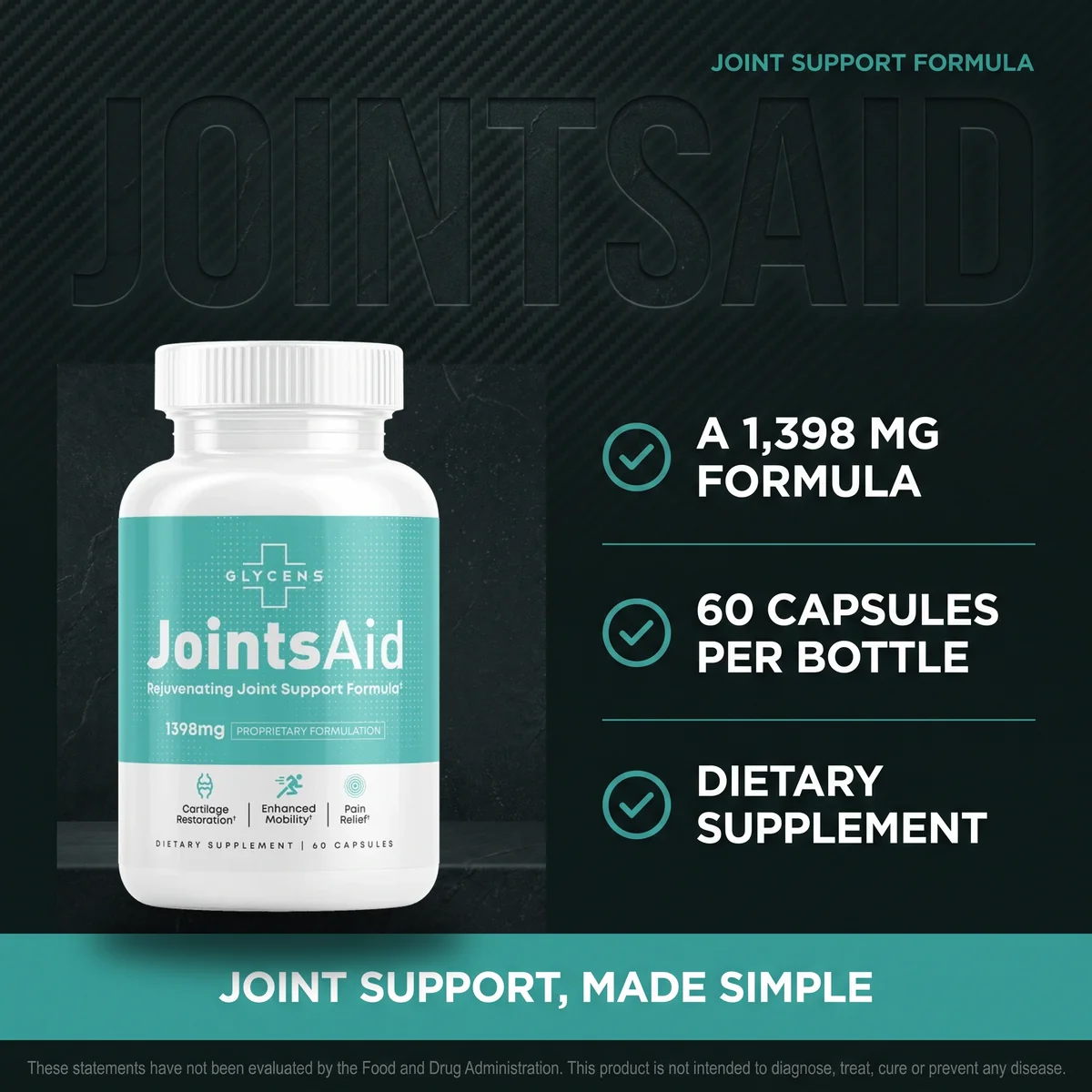
What is the real difference between turmeric and fish oil for joints?
The core difference is the active ingredient and the pathway it works on. Turmeric delivers curcumin, a plant polyphenol, while fish oil delivers the long-chain omega-3 fatty acids EPA and DHA (NIH Office of Dietary Supplements, Omega-3 Fatty Acids). Both are linked to a healthier inflammatory balance, but they enter that story from different doors — which is why some people find one suits them better, and why plenty of people use both.
How does turmeric (curcumin) work?
Turmeric’s comfort reputation rests on curcumin, the golden compound that gives the spice its colour. Curcumin is most associated with supporting a calm inflammatory tone and everyday joint comfort, and it has centuries of traditional use behind it. Its main practical drawback is absorption: on its own, curcumin is poorly absorbed, which is why standardised extracts are usually paired with black-pepper extract (piperine) or delivered in enhanced forms to help the body take it up.
How does fish oil (omega-3) work?
Fish oil supplies EPA and DHA, the omega-3 fats your body uses to make signalling molecules that help resolve inflammation. Because omega-3s act body-wide, they are associated with heart, brain and general inflammatory health, not joints alone. That breadth is a genuine advantage if you want one supplement doing several jobs — but it also means the joint-specific signal can be more modest, and the fats can oxidise, which is behind the fishy aftertaste some people dislike.
There is also a diet angle that turmeric does not share. You can reach a meaningful omega-3 intake simply by eating oily fish a couple of times a week, which is why some nutritionists treat fish oil capsules as insurance for people who do not, rather than a joint remedy in their own right. Turmeric, by contrast, is almost impossible to get at study-level curcumin amounts from cooking alone, so a supplement is usually the practical route if you want the researched dose.
Turmeric vs fish oil for joint pain: which is better?
The most useful way to compare turmeric and fish oil for joint pain is side by side, because the “best” option depends on what you value — targeted comfort, whole-body benefit, dietary fit or ease of dosing. The table below lays out the practical differences without overclaiming for either.
| Factor | Turmeric (curcumin) | Fish oil (omega-3) |
|---|---|---|
| Active compound | Curcumin & curcuminoids | EPA & DHA omega-3 fats |
| Most associated with | Everyday joint comfort & stiffness | Whole-body inflammatory balance |
| Typical study dose | ~500 mg–1 g curcuminoids/day | ~1–3 g combined EPA+DHA/day |
| Diet source | Turmeric spice (low curcumin) | Salmon, sardines, mackerel |
| Suits | Plant-forward, shellfish-free routines | People wanting heart + joint overlap |
| Common watch-out | Absorption; needs piperine or extract | Fishy aftertaste; clotting at high dose |
A pattern appears: turmeric is the more joint-targeted option, while fish oil is the more whole-body one that overlaps with a good diet. If you already eat oily fish twice a week, a turmeric-led blend may fill the gap your plate does not; if you rarely eat fish, an omega-3 supplement earns its place for reasons beyond joints.
What does the evidence actually say?
Honesty matters here: the research on both turmeric and fish oil for joints is promising but not conclusive, with trials that vary in dose, form, length and quality. Neither should be sold as a cure, and this is a good example of a topic where the marketing often runs ahead of the science.
Is the turmeric research strong?
Curcumin is one of the more studied botanicals for joint comfort, and several trials report favourable results for everyday stiffness — but many are small, short, or use proprietary high-absorption extracts that do not match plain turmeric powder. Reviews from bodies like the U.S. National Center for Complementary and Integrative Health describe the evidence as suggestive rather than settled. It is reasonable to try; it is not a guarantee.
Is the omega-3 research strong?
Omega-3 fats have a large body of research for cardiovascular and general inflammatory health, and some studies point to modest joint-comfort benefits, particularly for morning stiffness. The joint-specific effect tends to be gentle and dose-dependent, and results across trials are mixed. The clearest, most consistent case for fish oil is its broader health profile rather than joints in isolation.
Prefer the botanical route?
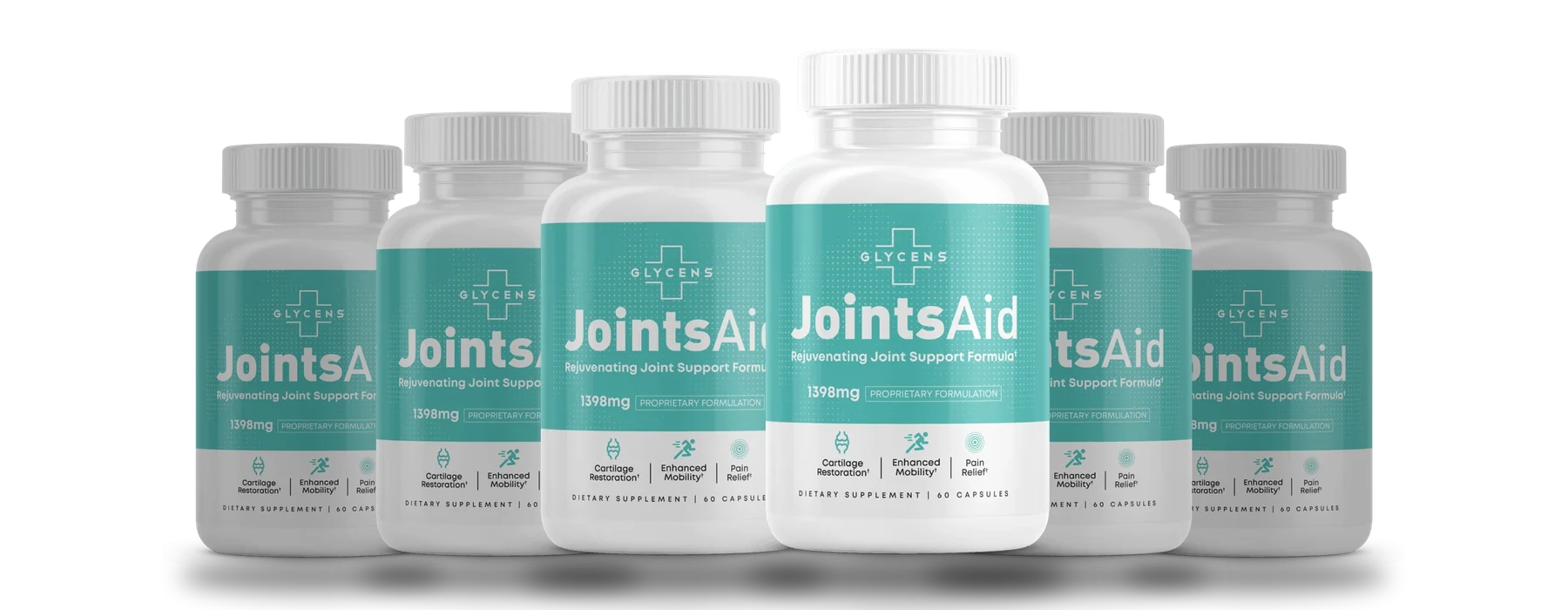
JointsAid concentrates turmeric with quercetin and boswellia serrata in a 1,398 mg daily blend — no fish oil, shellfish-free botanicals, and a daily routine. See what JointsAid actually names and today’s multi-bottle pricing.
Check today’s JointsAid pricing →Why does JointsAid take the botanical route?
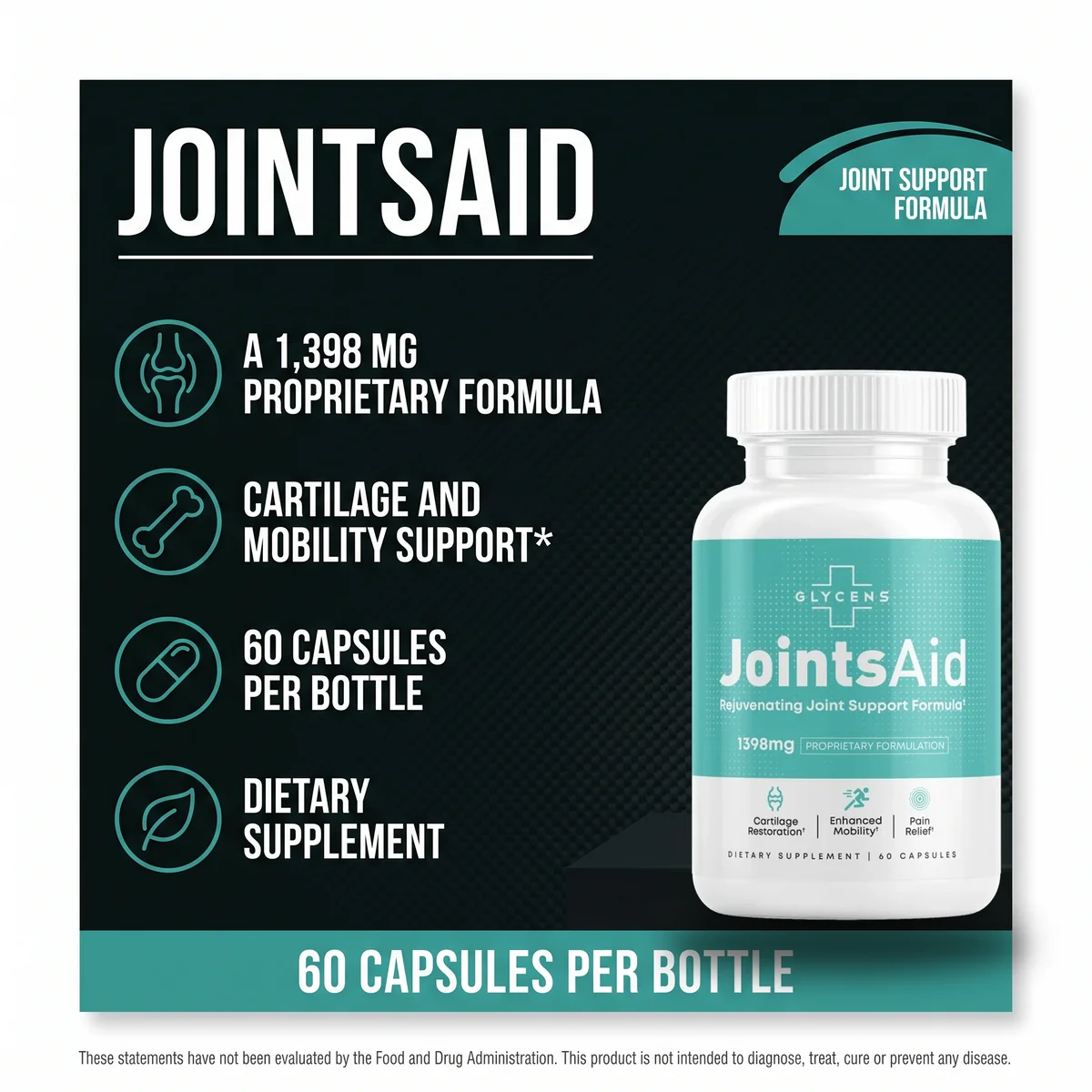
JointsAid is built around turmeric rather than fish oil because a plant-forward blend is easier to standardise, stays shellfish-free, and layers cleanly with the omega-3 many people already get from food. Instead of relying on a single ingredient, JointsAid stacks turmeric with two other well-known comfort botanicals — quercetin and boswellia serrata — alongside cartilage nutrients, so the formula covers comfort from several angles in one daily dose.
What is in the JointsAid blend?
Rather than choosing turmeric or a single companion, JointsAid combines several traditional joint botanicals with cartilage building blocks. Here is how the headline ingredients earn their place.
| Ingredient | Role in the blend | Most associated with |
|---|---|---|
| Turmeric (curcumin) | Lead comfort botanical | Everyday joint comfort & stiffness |
| Boswellia serrata | Companion resin extract | A calm inflammatory tone & mobility |
| Ginger | Warming culinary botanical | Comfort & circulation support |
| Cartilage nutrients | Structural building blocks | Connective-tissue upkeep |
We cover each of these separately: how turmeric supplements work for joint pain, what boswellia serrata brings, and where ginger fits. The point of the blend is convenience: eating each of these at study-level amounts every day is hard, and a standardised capsule makes the habit stick.
Can you take turmeric and fish oil together?
For most healthy adults, turmeric and fish oil are commonly combined, because they support comfort through partly different pathways and are not chemically at odds (Daily JW et al., Journal of Medicinal Food, 2016). In practice this is often the smartest read of “turmeric vs fish oil”: it does not have to be a contest. Many people take a turmeric-led blend such as JointsAid for targeted joint comfort and keep eating oily fish or a separate omega-3 for whole-body benefit.
The one real caution is blood clotting. Both curcumin and omega-3 at high doses can have a mild blood-thinning effect, so if you take anticoagulant medication, have a bleeding disorder, or are scheduled for surgery, talk to your doctor before combining them.
How do you choose between them?
Choosing between turmeric and fish oil comes down to your diet, your goal and your tolerance rather than a single “better” ingredient. Use this quick decision guide, then adjust based on how you feel over several weeks — both work gradually, not overnight.
- You want joint-targeted comfort and prefer plant-based: lean turmeric, ideally a standardised blend like JointsAid.
- You rarely eat fish and want whole-body benefit: a quality omega-3 fish oil earns its place.
- You already eat oily fish twice a week: your omega-3 base is covered, so a turmeric-led blend fills the gap.
- You avoid shellfish or animal products: turmeric, quercetin and boswellia serrata keep things plant-forward.
- You want the simplest routine: one standardised botanical capsule beats juggling several oils and powders.

When should you talk to a professional?
Supplements support general joint wellness; they are not a treatment for a diagnosed condition. Speak with your doctor or pharmacist before starting turmeric, fish oil or a blend if you take blood-thinning or other regular medication, are pregnant or nursing, have gallbladder issues, a shellfish or fish allergy, or persistent, severe, hot or swollen joints. Personalised advice makes sure your choice fits your health, and it is especially important before combining supplements at higher doses.
Frequently asked questions
Is turmeric or fish oil better for joint pain?
Neither is a clear winner, and the honest answer is that they work on overlapping but different pathways. Turmeric’s curcumin is most associated with everyday comfort and stiffness, while fish oil’s omega-3 fats are associated with a healthy inflammatory balance throughout the body. Many people do well pairing them, and results vary from person to person.
Can I take turmeric and fish oil together?
For most healthy adults the two are commonly combined, since they support comfort through different routes and are not chemically at odds. Because both can have a mild effect on how the blood clots, anyone on blood-thinning medication or heading for surgery should check with a doctor before stacking them or taking either at a high dose.
How much turmeric or fish oil do I need for joints?
Studies of curcumin often use standardised extracts in the range of several hundred milligrams to about a gram of curcuminoids a day, usually with a black-pepper compound for absorption. Omega-3 research commonly uses one to three grams of combined EPA and DHA. Whole turmeric powder in food supplies far less curcumin than a standardised extract, so the form matters as much as the amount.
Why does JointsAid use turmeric instead of fish oil?
JointsAid takes the botanical route, layering turmeric with quercetin and boswellia serrata rather than fish oil, so the whole formula stays plant-forward, shellfish-free and easier to standardise in a daily dose. The idea is a stable, vegetarian-friendly comfort blend that people can pair with the oily fish or omega-3 already in their diet.
Are there side effects to turmeric or fish oil?
Both are generally well tolerated. Turmeric can cause mild digestive upset in some people and, at high extract doses, may interact with certain medications. Fish oil can cause a fishy aftertaste, burping or loose stools, and high doses may affect blood clotting. Anyone pregnant, nursing, on medication or with a health condition should speak with a doctor first.
Does JointsAid contain fish oil?
No. JointsAid is built around a 1,398 mg botanical and cartilage-nutrient blend featuring turmeric, quercetin and boswellia serrata, and it does not include fish oil. That keeps the formula suitable for people who prefer a plant-forward supplement, and it leaves room to eat oily fish or take a separate omega-3 if you choose.
See what JointsAid actually names →
JointsAid is a dietary supplement, not a treatment for any medical condition. These statements have not been evaluated by the Food and Drug Administration. This product is not intended to diagnose, treat, cure or prevent any disease. Always consult a qualified healthcare professional about your individual needs.
References & further reading
- National Center for Complementary and Integrative Health (NCCIH). Turmeric. nccih.nih.gov/health/turmeric
- National Institutes of Health, Office of Dietary Supplements. Omega-3 Fatty Acids — Fact Sheet for Health Professionals. ods.od.nih.gov/factsheets/Omega3FattyAcids-HealthProfessional
- National Center for Complementary and Integrative Health (NCCIH). Omega-3 Supplements: In Depth. nccih.nih.gov/health/omega3-supplements-in-depth
- Examine.com. Curcumin. examine.com/supplements/curcumin
- Jhun J et al., Journal of Inflammation, 2025. Curcumin and omega-3 ameliorate experimental osteoarthritis progression in terms of joint pain and mitochondrial dysfunction. Jhun J et al., Journal of Inflammation, 2025 — PubMed 40665304
- Senftleber NK et al., Nutrients, 2017. Marine Oil Supplements for Arthritis Pain: A Systematic Review and Meta-Analysis of Randomized Trials. Senftleber NK et al., Nutrients, 2017 — PubMed 28067815
- Daily JW et al., Journal of Medicinal Food, 2016. Efficacy of Turmeric Extracts and Curcumin for Alleviating the Symptoms of Joint Arthritis: A Systematic Review and Meta-Analysis of Randomized Clinical Trials. Daily JW et al., Journal of Medicinal Food, 2016 — PubMed 27533649
These references describe the ingredients in general terms and do not constitute evidence that any product treats, cures or prevents any condition.
Keep reading: turmeric supplements for joint pain · how to reduce joint inflammation naturally · back to the JointsAid blog · the JointsAid review.