How to reduce joint inflammation naturally: the JointsAid guide

Updated September 2026 · reviewed by the JointsAid Research Team. We are an independent information resource, not a medical provider, and this article is educational rather than medical advice.
To reduce joint inflammation naturally means using everyday movement, an anti-inflammatory diet, good sleep, a comfortable body weight and sensible stress management — and, if you choose, anti-inflammatory botanicals like turmeric and boswellia — to help your joints feel calmer and move more freely (Daily JW et al., Journal of Medicinal Food, 2016). It is about consistent daily habits rather than any single fix, and it works alongside, not instead of, the guidance of your doctor.
How to calm joint inflammation naturally, in one place.
- The short version
- Move gently most days, eat a produce- and fish-rich diet, protect your sleep, and reach a comfortable weight — these habits stack to lower everyday inflammation.
- Biggest levers
- Regular low-impact movement and an anti-inflammatory diet do the most work, followed by weight, sleep and stress.
- Vitamins that matter
- Vitamin D, vitamin C and omega-3 fats support joints; fix a real deficiency with food first.
- Where botanicals fit
- Anti-inflammatory botanicals such as turmeric, quercetin and boswellia serrata — the kind in JointsAid — support the routine, but are not a treatment for any disease.
Inflammation is the body’s normal repair response, but when it lingers around a joint it shows up as stiffness, warmth and ache. The encouraging news is that the habits with the most influence are ordinary, daily ones. This guide walks through them and shows where a joint formula like JointsAid can play a supporting role.

What does it mean to reduce joint inflammation naturally?
Reducing joint inflammation naturally is the practice of using movement, nutrition, sleep, weight management and stress control to calm the low-grade inflammation that keeps joints stiff and sore. It is not a cure, and it does not replace medical care for a diagnosed condition such as rheumatoid or osteoarthritis. Two ideas anchor everything below: consistency beats intensity, and these habits stack — each helps a little, and together they help a lot.
Why do joints become inflamed in the first place?
Joint inflammation is what happens when the immune system sends fluid, warmth and repair signals to a joint that feels stressed, injured or worn. A little of this is healthy and short-lived; the problem is the slow, simmering kind that never fully switches off. Ordinary factors keep it burning: too little movement, extra body weight, poor sleep, chronic stress and a diet heavy in ultra-processed foods and added sugar. Each nudges the body’s inflammatory balance the wrong way, and because they overlap, tackling several at once helps more than perfecting any single one.
The flip side is hopeful: the same levers work in reverse. Gentle daily movement, whole foods, better sleep and a comfortable weight each pull the balance back toward calm. Below are those levers, roughly in order of impact.
Which daily habits calm joint inflammation fastest?
Does movement really lower inflammation?
Regular, gentle movement is one of the most reliable ways to calm an inflamed joint. Motion circulates the fluid that lubricates the joint, helps nourish cartilage, and is associated with lower inflammatory markers over time. Low-impact activity — walking, cycling, swimming, tai chi — lets the joint move through its range without pounding it. Aim for moderate movement most days rather than occasional heavy bursts, and remember that complete rest usually makes stiffness worse.
How much does diet change joint inflammation?
What you eat is one of the largest natural levers you control. A Mediterranean-style pattern — vegetables, fruit, oily fish, nuts, extra-virgin olive oil and whole grains — supplies the antioxidants and omega-3 fats linked with a calmer inflammatory balance. Just as important is what you subtract: cutting back on ultra-processed foods, sugary drinks and refined carbohydrates removes some of the most common dietary drivers. We cover this in our guide to the best foods for joint health.
Can better sleep and less stress ease joints?
Sleep and stress are the quiet levers most people overlook. Short or broken sleep and chronic stress both raise the body’s inflammatory signalling, which can leave joints feeling more tender the next day. Protecting seven to nine hours of sleep, keeping a consistent bedtime, and building in genuine wind-down time give the body the recovery window it uses to keep inflammation in check.
Why does a comfortable weight matter so much?
Reaching a comfortable weight helps joints two ways at once (Messier SP et al., JAMA, 2013). Mechanically, every extra pound adds several pounds of force through weight-bearing joints with each step, so a modest, sustainable reduction eases the load on knees and hips. Metabolically, excess body fat is itself a source of inflammatory signals, so losing a little can quiet inflammation body-wide — through steady habits, not a crash diet.
See what JointsAid actually names →
What are the best vitamins and foods for inflammation and arthritis?
The best vitamins for inflammation and arthritis are the ones that fix a genuine shortfall rather than the ones with the boldest label. Vitamin D supports normal immune and bone function, vitamin C is required to build collagen, and omega-3 fats from oily fish help balance the body’s inflammatory response (Senftleber NK et al., Nutrients, 2017). Food comes first, and if you suspect a deficiency, testing before high-dose pills is the sensible order.

| Nutrient | Why it is discussed for joints | Food-first sources |
|---|---|---|
| Omega-3 fats | Help balance the inflammatory response | Salmon, sardines, mackerel, walnuts, flax |
| Vitamin D | Supports normal immune and bone function | Sunlight, oily fish, fortified foods, eggs |
| Vitamin C | Needed to build collagen in connective tissue | Citrus, peppers, berries, broccoli, kiwi |
| Polyphenols | Plant antioxidants linked with calmer balance | Berries, olive oil, green tea, dark leafy greens |
| Vitamin K | Involved in bone and cartilage health | Kale, spinach, broccoli, other leafy greens |
No single pill replaces this pattern of eating. The aim is a plate built around colour, oily fish a couple of times a week, and olive oil in place of heavily processed fats — then filling any tested gap with a sensible supplement.
Which anti-inflammatory botanicals support joint comfort?
Anti-inflammatory botanicals are plant compounds — turmeric, quercetin, boswellia serrata and the sulfur-supplying MSM — with long traditions of use for everyday joint comfort and a growing body of general research. They are a support to movement and diet, never a treatment for any condition. Here is a snapshot of the best-known ones, several of which appear in JointsAid.
| Botanical | Traditional / general role | Common note |
|---|---|---|
| Turmeric (curcumin) | Culinary botanical used for everyday comfort | Often paired with black pepper to aid absorption |
| Boswellia | Ayurvedic frankincense resin for mobility | Popular in modern joint-comfort blends |
| Ginger | Warming root in the same family as turmeric | Long culinary and wellness tradition |
| MSM | Supplies sulfur used in connective tissue | A common comfort-blend companion |
| Glucosamine & chondroitin | Cartilage building blocks (JointsAid names glucosamine only) | Among the most studied joint nutrients |
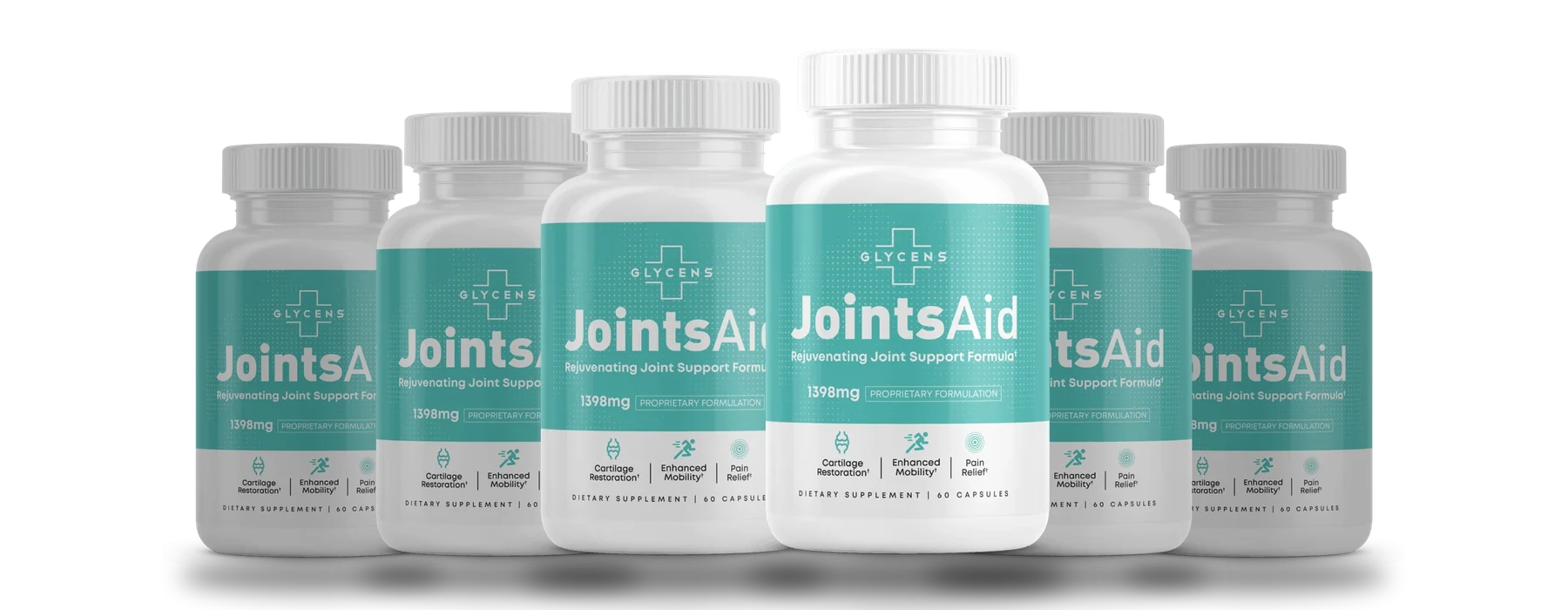
JointsAid brings these together: the cartilage building block glucosamine plus a 1,398 mg proprietary blend that layers in turmeric, MSM, quercetin and boswellia serrata, in convenient once-daily capsules. For a closer look, read our guide to glucosamine and chondroitin for joints or the deep dive on a turmeric supplement for joint pain, or see the full ingredients section.
Make the botanical step easy
JointsAid is a once-daily routine pairing cartilage nutrients with a 1,398 mg proprietary formulation of turmeric, quercetin, boswellia serrata and MSM. The six-bottle bundle is the best value at $49 per bottle, with a 60-day guarantee.
Check today’s JointsAid pricing — from $49/bottleHow do you build a simple anti-inflammation routine?
The best routine is the one you will keep. Rather than overhauling everything at once, stack one small habit at a time until each feels automatic:
- Start the day with gentle movement to loosen stiff, inflamed joints.
- Take a walk most days, building up slowly as it feels comfortable.
- Build meals around vegetables, oily fish and olive oil, and cut back on ultra-processed foods and sugary drinks.
- Add two short strength sessions a week for the muscles around your achiest joints.
- Protect a consistent bedtime so joints get time to recover.
- Take any supplement at the same time daily — for JointsAid, the labelled serving with a meal.
Which changes work fastest? An at-a-glance table
A “fast” change is one you may feel within a day; a “slow” change reshapes your baseline over weeks. This table sorts the core anti-inflammation habits by how quickly they tend to help and how much effort they ask.
| Habit | Typical time to notice | Everyday effort |
|---|---|---|
| Warmth & gentle morning mobility | Same day | Low |
| Pacing & breaking up standing | Same day | Low |
| Regular low-impact movement | Days to weeks | Low |
| Better sleep & stress control | Days to weeks | Medium |
| Anti-inflammatory, whole-food diet | Weeks | Medium |
| Reaching a comfortable weight | Weeks to months | Higher |
Botanical joint nutrients build their support gradually, so most people choose a multi-month supply to avoid running out mid-routine — compare the packages and pricing on the homepage, or read our full JointsAid review first.
When should you see a doctor?
Natural habits support everyday joint comfort; they are not a replacement for medical care. Speak with your doctor if a joint is hot, red or badly swollen, if pain follows an injury, if morning stiffness lasts more than an hour, if a fever accompanies joint pain, or if you have a diagnosed condition or take medication. Because glucosamine is often shellfish-derived, mention any shellfish allergy first, and check with a pharmacist if you take blood thinners before adding turmeric or ginger in supplement form.
Frequently asked questions
How do you reduce joint inflammation naturally?
You reduce joint inflammation naturally by stacking everyday habits: regular low-impact movement, a produce- and fish-rich anti-inflammatory diet, seven to nine hours of sleep, reaching a comfortable weight and managing stress. Well-studied botanicals such as turmeric and boswellia can support the routine, but they complement rather than replace medical care.
What are the best vitamins for inflammation and arthritis?
Vitamin D, vitamin C and vitamin K are the most discussed for joints: vitamin D supports normal immune and bone function, vitamin C is needed to build collagen, and omega-3 fats from oily fish round out the picture. Correcting a genuine deficiency matters most, so food first and testing before high-dose pills is the sensible order.
Do anti-inflammatory botanicals like turmeric and boswellia work?
Turmeric (curcumin), boswellia serrata, quercetin and MSM have long traditions in joint wellness and a growing body of general research, but they are a support to movement and diet, not a treatment for any disease. People on medication or with a shellfish allergy should ask a doctor before starting a joint supplement.
How long does it take to calm joint inflammation naturally?
Warmth, gentle movement and pacing can help within the same day, while diet, sleep, strength and weight changes usually show over several weeks to a few months. Botanical supplements build their support gradually, and individual results vary.
Can diet really lower joint inflammation?
For many people, yes. A Mediterranean-style pattern rich in vegetables, fruit, oily fish, nuts, olive oil and whole grains supplies antioxidants and healthy fats linked with a calmer inflammatory balance, while cutting ultra-processed foods and excess added sugar removes a common driver.
Is JointsAid a treatment for arthritis or inflammation?
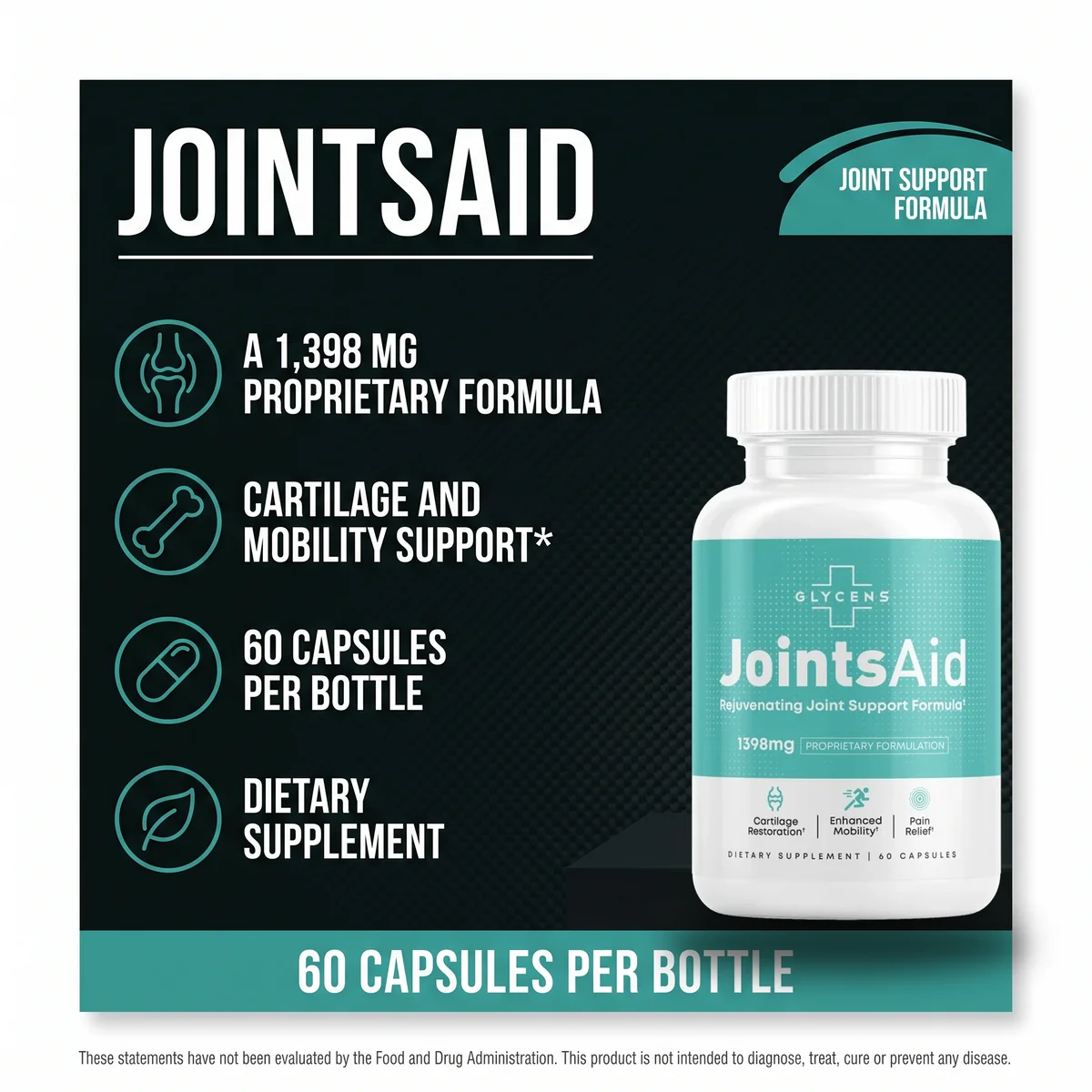
No. JointsAid is a dietary supplement that pairs cartilage nutrients with a 1,398 mg proprietary formulation to support everyday joint comfort and mobility. It is not intended to diagnose, treat, cure or prevent any disease, and it works best alongside movement, diet and sleep habits.
Try JointsAid risk-free for 60 days →
JointsAid is a dietary supplement, not a treatment for any medical condition. These statements have not been evaluated by the Food and Drug Administration. This product is not intended to diagnose, treat, cure or prevent any disease. Always consult a qualified healthcare professional about your individual needs.
References & further reading
- National Center for Complementary and Integrative Health (NCCIH). Turmeric. nccih.nih.gov/health/turmeric
- National Institute of Arthritis and Musculoskeletal and Skin Diseases (NIAMS). Osteoarthritis — Overview. niams.nih.gov/health-topics/osteoarthritis
- Harvard T.H. Chan School of Public Health. Diet Review: Anti-Inflammatory Diet. hsph.harvard.edu/nutritionsource — anti-inflammatory diet
- Mayo Clinic. Arthritis — Diagnosis & Treatment. mayoclinic.org/diseases-conditions/arthritis
- Nicklas BJ et al., CMAJ, 2005. Behavioural treatments for chronic systemic inflammation: effects of dietary weight loss and exercise training. Nicklas BJ et al., CMAJ, 2005 — PubMed 15851714
- Examine.com. Curcumin — evidence-based summary. examine.com/supplements/curcumin
- Senftleber NK et al., Nutrients, 2017. Marine Oil Supplements for Arthritis Pain: A Systematic Review and Meta-Analysis of Randomized Trials. Senftleber NK et al., Nutrients, 2017 — PubMed 28067815
- Daily JW et al., Journal of Medicinal Food, 2016. Efficacy of Turmeric Extracts and Curcumin for Alleviating the Symptoms of Joint Arthritis: A Systematic Review and Meta-Analysis of Randomized Clinical Trials. Daily JW et al., Journal of Medicinal Food, 2016 — PubMed 27533649
- Messier SP et al., JAMA, 2013. Effects of intensive diet and exercise on knee joint loads, inflammation, and clinical outcomes among overweight and obese adults with knee osteoarthritis: the IDEA randomized clinical trial. Messier SP et al., JAMA, 2013 — PubMed 24065013
These references describe the ingredients and habits in general terms and do not constitute evidence that any product treats, cures or prevents any condition.
Keep reading: how to relieve joint pain naturally · the best foods for joint health · back to the JointsAid blog · homepage.