How to keep cartilage healthy naturally: the JointsAid guide

Updated September 2026 · reviewed by the JointsAid Research Team. We are an independent information resource, not a medical provider; this article is educational, not medical advice.
To keep cartilage healthy naturally means using gentle everyday movement, a comfortable body weight and a nutrient-rich diet — supported, if you choose, by cartilage building blocks like glucosamine, turmeric, MSM and boswellia serrata — to protect the smooth cushioning inside your joints (Fransen M et al., Cochrane Database of Systematic Reviews, 2015). It relies on consistent, low-impact habits that stack over time, and it works alongside, not instead of, your doctor.
How to protect the cartilage you have, in one place.
- The goal
- Preserve the smooth, cushioning cartilage in weight-bearing joints — not to “regrow” it, which cartilage does very slowly.
- Biggest levers
- Gentle, regular movement and a comfortable body weight protect knee cartilage more than anything else you can do at home.
- Building blocks
- Cartilage is mostly a collagen scaffold plus water-holding molecules that contain glucosamine and chondroitin — the raw materials diet supplies.
- Where JointsAid fits
- Cartilage nutrients such as glucosamine, turmeric, MSM, quercetin and boswellia serrata support the routine; they are not a treatment for any disease.
- Timeframe
- Movement eases stiffness quickly; cartilage nutrition builds gradually over weeks to a few months, and results vary.
Cartilage is the quiet hero of every comfortable step, and most of us never think about it until a knee grumbles on the stairs. The reassuring news is that the habits which protect it are ordinary: how you move, what you weigh, what you eat, and the raw materials you give your body to maintain connective tissue. This guide walks through each one and shows where a cartilage-focused formula like JointsAid can help.
What is cartilage, and why does it matter?
Cartilage is the smooth, rubbery tissue that caps the ends of bones and lets them glide over one another with almost no friction. In a healthy knee, hip or knuckle, this glassy layer — called articular cartilage — spreads load and absorbs shock so bone never grinds on bone. Unlike most tissue it has no blood supply of its own, which is why it repairs slowly and why the everyday choices that nourish it matter so much. Keeping it healthy is about protecting a resource you cannot easily replace.
What are the building blocks of cartilage?
The building blocks of cartilage are a collagen scaffold and water-holding molecules called proteoglycans, whose components include glucosamine and chondroitin. Think of collagen as the rope-like framework that gives cartilage its strength, and proteoglycans as the sponges woven through it that pull in water to create cushioning. The body maintains this structure using raw materials from your diet — so the nutrients below are the ordinary ingredients of connective tissue.
Collagen: the scaffold
Collagen is the most abundant protein in cartilage and the framework everything else hangs on. Your body makes it from amino acids and uses vitamin C as an essential helper — one reason a diet short on fruit and vegetables can quietly undercut connective tissue. We go deeper in our guide to collagen for joints.
Glucosamine and chondroitin: the cushion
Glucosamine and chondroitin are natural components of the proteoglycans that help cartilage hold water and stay springy. They are among the most studied joint nutrients, though the evidence is mixed rather than settled — see how glucosamine and chondroitin work.
Vitamin C and everyday nutrients
Vitamin C, along with minerals like manganese and copper, supports the enzymes the body uses to build collagen (Joseph GB et al., Arthritis Care & Research, 2020). This is why a colourful, whole-food diet is part of any cartilage plan — the raw materials arrive on your plate. Our roundup of the best foods for joint health covers the practical side.

How does everyday movement protect knee cartilage?
Movement protects cartilage because it circulates the joint fluid that delivers nutrients to a tissue with no blood supply of its own. Each time you flex a joint, that fluid is squeezed through the cartilage like water through a sponge, feeding it and clearing waste. This is the origin of “motion is lotion” — and why complete rest tends to make joints feel worse.
Which movement is best?
Low-impact activity is the sweet spot for cartilage: walking, cycling, swimming and tai chi ask a joint to move through its range without pounding it. Aim for regular, moderate movement most days rather than occasional heavy bursts, building load slowly so the joint can adapt.
Why does strength matter for cartilage?
Strong muscles act as shock absorbers that take load off the cartilage itself. Building the quadriceps and hips helps cushion the knees, while core strength supports the spine. Two short, gentle resistance sessions a week can reduce the force that reaches the joint surface over time.
Feed the building blocks
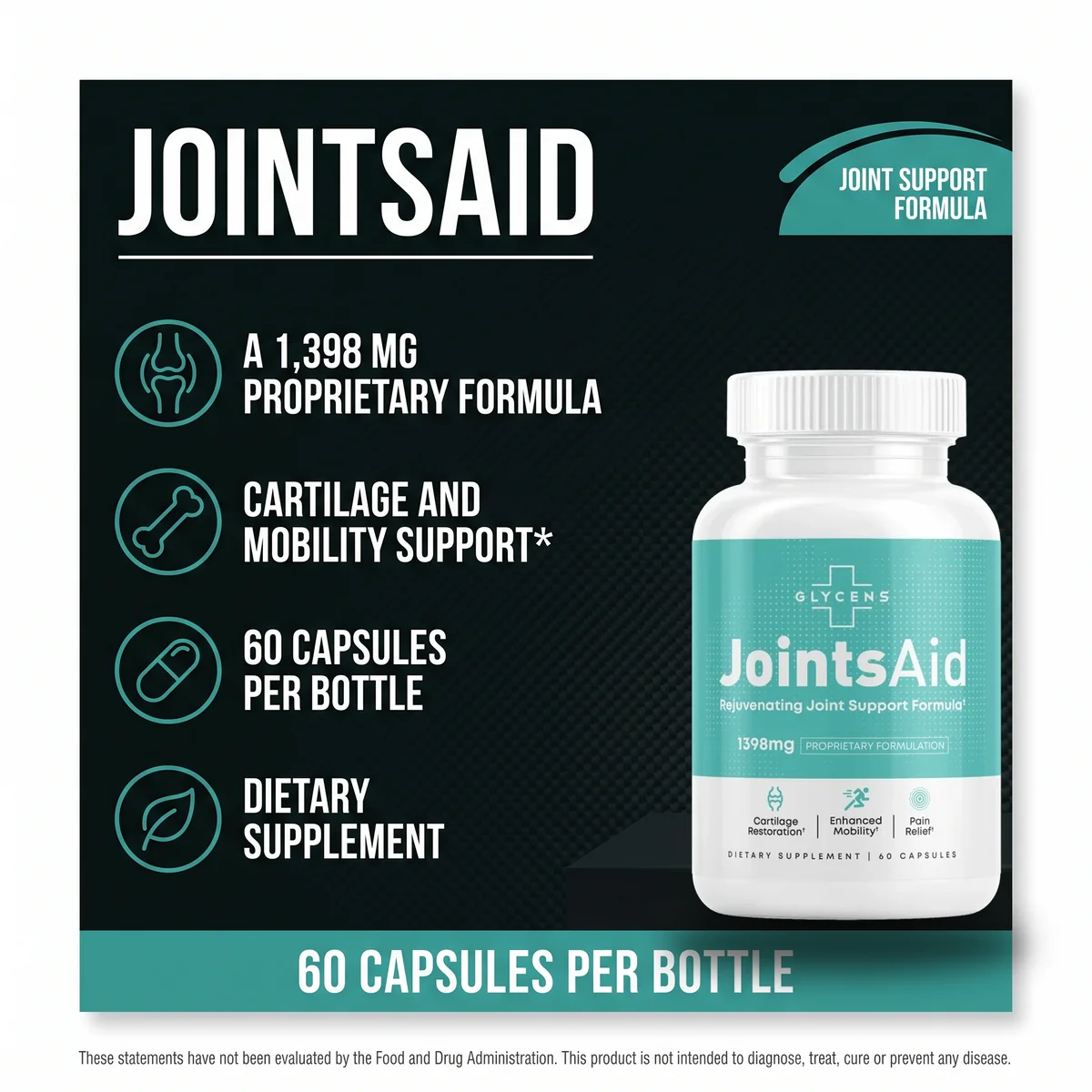
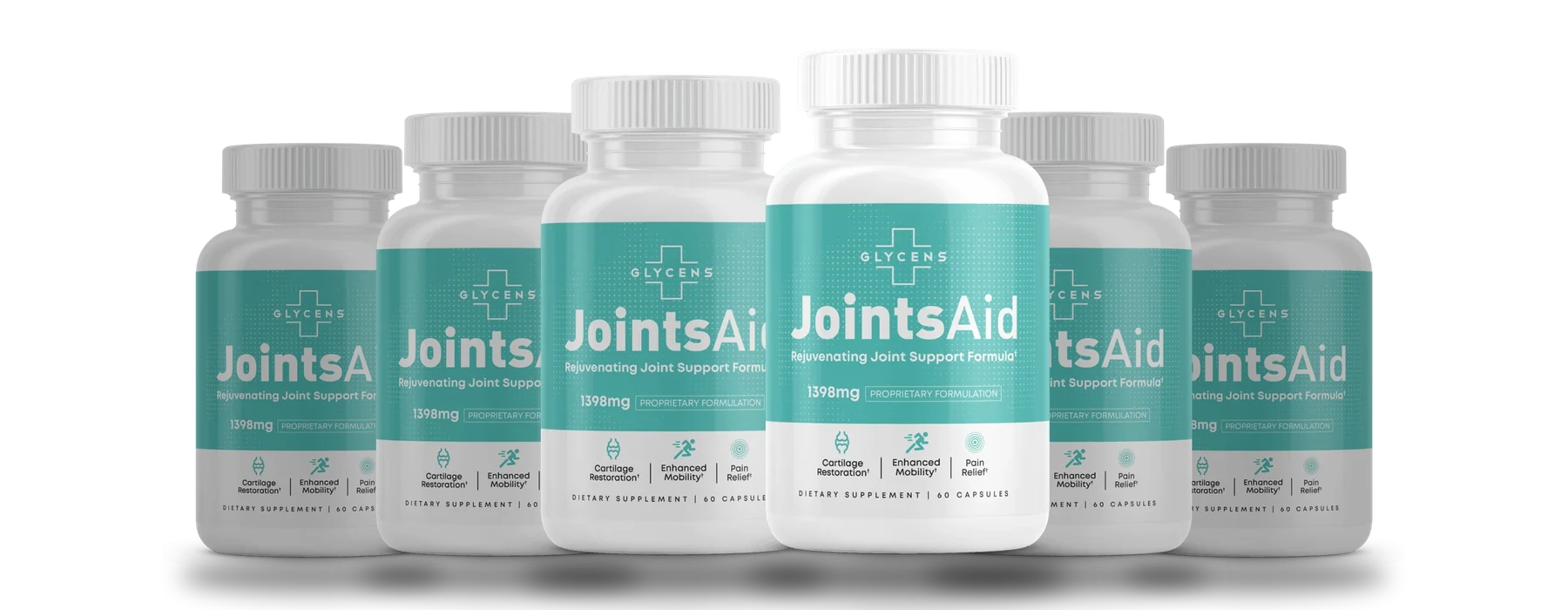
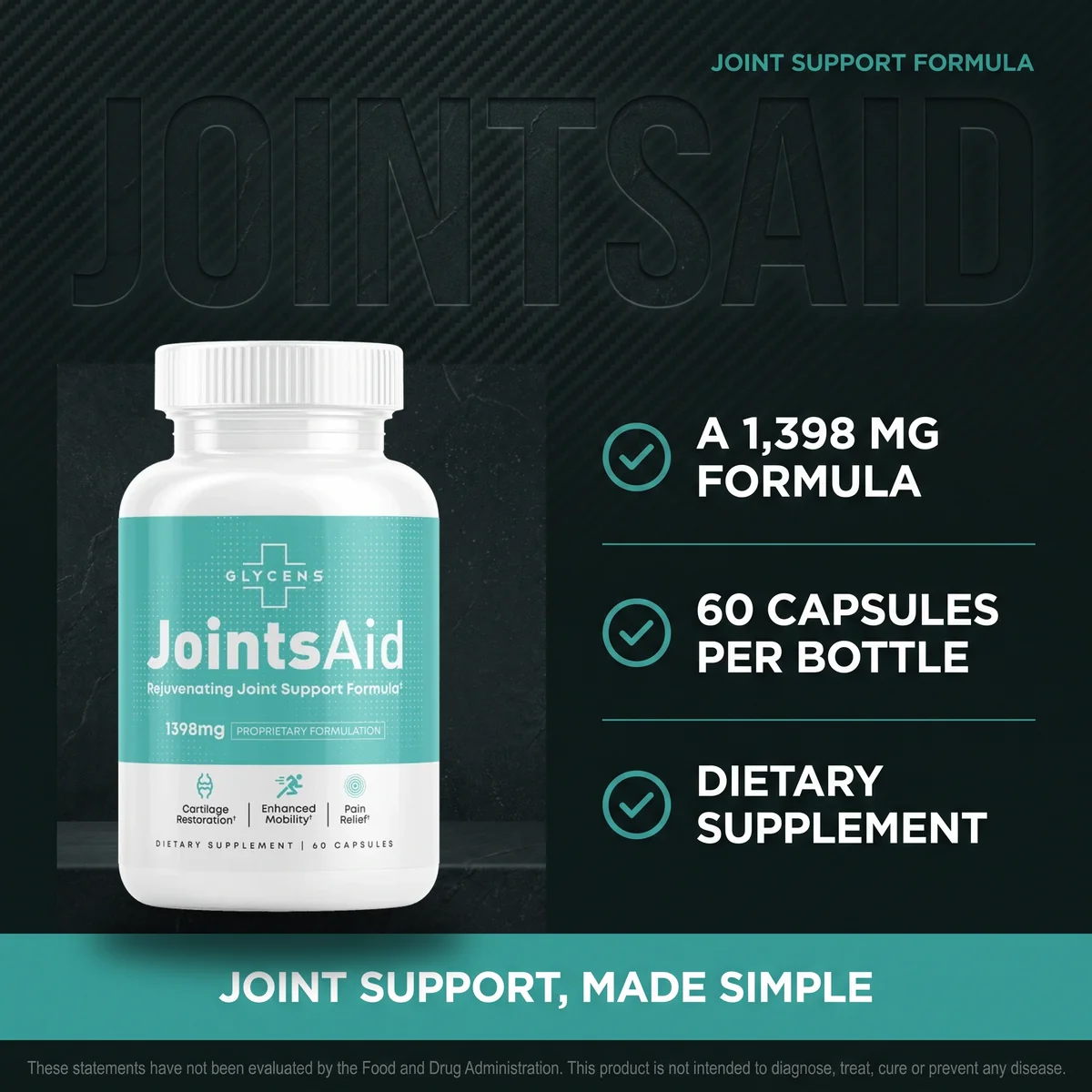
JointsAid pairs the cartilage nutrient glucosamine with a 1,398 mg proprietary formulation in a once-daily routine. The six-bottle bundle is the best value at $49 per bottle, with free U.S. shipping and a 60-day guarantee.
Check today’s JointsAid pricing — from $49/bottleDoes weight management protect cartilage?
Managing body weight protects cartilage because every extra pound adds several pounds of force through weight-bearing joints with each step (Messier SP et al., JAMA, 2013). Over a day of walking and stairs, that added load is carried by the cartilage in the knees and hips, so even a modest, sustainable reduction can ease the pressure those surfaces bear. This is not about a crash diet; it is about steady habits that quietly lighten the burden.
Which cartilage nutrients are worth knowing?
A cartilage nutrient is a dietary component the body uses to build or maintain the collagen scaffold and water-holding cushion of a joint. Supplements are a supplement to movement, weight and diet — not a substitute, and never a treatment. Several of the best-known appear in JointsAid; the table below is an honest snapshot of where the evidence is strong and where it is only suggestive.
| Nutrient | Role in cartilage | Evidence snapshot |
|---|---|---|
| Glucosamine | Cartilage building block; part of proteoglycans | Widely studied; results are mixed rather than conclusive. |
| Chondroitin | Helps cartilage retain water and cushioning | Often paired with glucosamine; evidence is suggestive, not settled. |
| Type II collagen | The structural scaffold of cartilage | Growing interest; smaller, early-stage research base. |
| Vitamin C | Essential cofactor for building collagen | Well established for collagen synthesis in general nutrition. |
| MSM | Supplies sulfur used in connective tissue | Popular comfort-blend companion; modest research base. |
What is inside JointsAid for cartilage support?
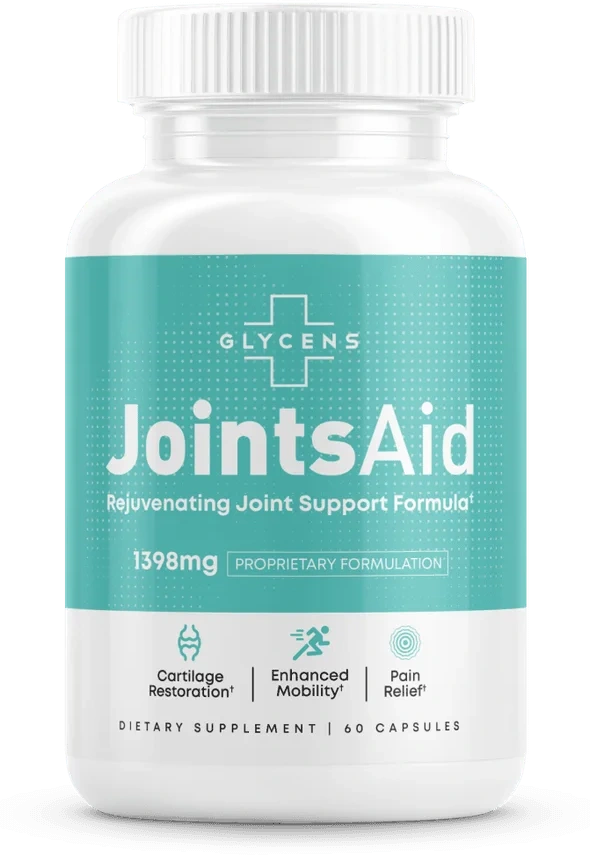
JointsAid is a once-daily capsule formula that brings the cartilage building blocks together in one routine. It pairs glucosamine, turmeric, MSM, quercetin and boswellia serrata with a 1,398 mg proprietary blend that layers in turmeric, MSM, quercetin and boswellia serrata, taken as the labelled serving with a meal. The idea is simple: give the body the raw materials it uses to maintain connective tissue, while movement, weight and diet do the heavy lifting. To see the exact dose in JointsAid, read the ingredients section or the full JointsAid review.
How do you build a cartilage-friendly daily routine?
A cartilage-friendly routine is a small set of repeatable habits that protect joint surfaces without a lifestyle overhaul. The best routine is the one you will actually keep, so stack one habit at a time until each feels automatic:
- Start with gentle morning mobility to circulate joint fluid.
- Walk most days, building distance slowly as it feels comfortable.
- Add two short strength sessions a week for the muscles around your knees and hips.
- Build meals around vegetables, oily fish and whole foods to supply collagen’s raw materials.
- Keep a comfortable, steady weight to lighten the load on weight-bearing cartilage.
- Take any cartilage supplement at the same time daily — for JointsAid, the labelled serving with a meal.
How fast do cartilage habits work? An at-a-glance table
A “fast” habit is one you may feel within a day; a “slow” habit reshapes the joint over weeks. The table below sorts the core habits by how quickly you tend to notice them and how much effort each asks.
| Habit | Typical time to notice | Everyday effort |
|---|---|---|
| Warmth & gentle morning mobility | Same day | Low |
| Regular low-impact movement | Days to weeks | Low |
| Cartilage nutrients (glucosamine, chondroitin, collagen) | Weeks to months | Low |
| Anti-inflammatory, whole-food diet | Weeks | Medium |
| Strength training around the joint | Weeks | Medium |
| Reaching a comfortable weight | Weeks to months | Higher |
Because cartilage nutrients build their support gradually, most people choose a multi-month supply — compare the packages and pricing.
When should you see a doctor?
Natural habits support everyday cartilage health; they are not a replacement for medical care. Speak with your doctor if a joint is hot, red or badly swollen, if pain follows an injury, if morning stiffness lasts more than an hour, or if you have a diagnosed condition or take medication. Because glucosamine is often shellfish-derived, mention any shellfish allergy first.
Frequently asked questions
How do you keep cartilage healthy naturally?
You keep cartilage healthy naturally by moving joints gently and often, keeping a comfortable body weight, eating a colourful whole-food diet, and supplying the raw materials cartilage is made from - glucosamine, turmeric, MSM and boswellia serrata. These habits stack, and they support rather than replace medical care.
What are the building blocks of cartilage?
Cartilage is built mainly from a collagen scaffold and water-holding molecules called proteoglycans, whose components include glucosamine and chondroitin. Vitamin C helps the body assemble collagen, which is why diet and targeted nutrients both matter.
Can you rebuild cartilage that is already worn?
Cartilage has no blood supply and repairs itself very slowly, so no habit or supplement regrows it on demand. The realistic goal is to protect the cartilage you have and support the surrounding tissue, which is where movement, weight and cartilage nutrients help.
How can I protect my knee cartilage?
Protect knee cartilage by favouring low-impact movement like walking, cycling and swimming, strengthening the quadriceps and hips that cushion the joint, keeping a comfortable weight, and avoiding sudden spikes in high-impact load. Gentle regular use nourishes cartilage; total rest does not.
Do glucosamine and chondroitin support cartilage?
Glucosamine and chondroitin are natural components of cartilage and are among the most studied nutrients in joint routines. Evidence is mixed rather than conclusive, so they are best seen as a support to movement and diet, not a treatment, and people with a shellfish allergy should ask a doctor first.
How long does it take to support cartilage health?
Movement and warmth can ease stiffness the same day, but cartilage-supporting habits and nutrients work gradually over several weeks to a few months. Most people choose a multi-month routine so they do not run out mid-way, and individual results vary.
See what JointsAid actually names — risk-free for 60 days →
JointsAid is a dietary supplement, not a treatment for any medical condition. These statements have not been evaluated by the Food and Drug Administration. This product is not intended to diagnose, treat, cure or prevent any disease. Always consult a qualified healthcare professional about your individual needs.
References & further reading
- National Center for Complementary and Integrative Health (NCCIH). Glucosamine and Chondroitin for Osteoarthritis. nccih.nih.gov/health/glucosamine-and-chondroitin-for-osteoarthritis
- National Institute of Arthritis and Musculoskeletal and Skin Diseases (NIAMS). Osteoarthritis — Overview. niams.nih.gov/health-topics/osteoarthritis
- Mayo Clinic. Osteoarthritis — Symptoms & causes. mayoclinic.org/diseases-conditions/osteoarthritis
- Bricca A et al., Arthritis Care & Research, 2019. Impact of exercise therapy on molecular biomarkers related to cartilage and inflammation in individuals at risk of, or with established, knee osteoarthritis: a systematic review and meta-analysis of randomized controlled trials. Bricca A et al., Arthritis Care & Research, 2019 — PubMed 30320965
- Examine.com. Glucosamine — evidence-based summary. examine.com/supplements/glucosamine
- Harvard T.H. Chan School of Public Health. Vitamin C. nutritionsource.hsph.harvard.edu/vitamin-c
- Messier SP et al., JAMA, 2013. Effects of intensive diet and exercise on knee joint loads, inflammation, and clinical outcomes among overweight and obese adults with knee osteoarthritis: the IDEA randomized clinical trial. Messier SP et al., JAMA, 2013 — PubMed 24065013
- Joseph GB et al., Arthritis Care & Research, 2020. Associations Between Vitamins C and D Intake and Cartilage Composition and Knee Joint Morphology Over 4 Years: Data From the Osteoarthritis Initiative. Joseph GB et al., Arthritis Care & Research, 2020 — PubMed 31282125
- Fransen M et al., Cochrane Database of Systematic Reviews, 2015. Exercise for osteoarthritis of the knee. Fransen M et al., Cochrane Database of Systematic Reviews, 2015 — PubMed 25569281
These references describe the ingredients and habits in general terms and are not evidence that any product treats or prevents any condition.
Keep reading: collagen for joints · glucosamine and chondroitin · best foods for joint health · the JointsAid blog · homepage.