Hyaluronic acid for joints: the lubrication story

Updated August 2026 · reviewed by the JointsAid Research Team. We are an independent information resource, not a medical provider, and this article is educational rather than medical advice.
Hyaluronic acid for joints is the slippery, water-holding molecule that gives your synovial fluid its cushioning, lubricating quality — the “oil” that helps two cartilage surfaces glide instead of grind. It is a natural part of every healthy joint, and understanding it explains why joint care is about more than cartilage building blocks alone: the fluid between the bones matters too.
What hyaluronic acid actually does for your joints, in plain language.
- What it is
- A gel-like molecule that holds water and gives joint fluid its thick, lubricating, shock-absorbing texture.
- What it does
- Helps synovial fluid coat cartilage, lubricate moving surfaces and cushion the joint under load.
- Best evidence
- Strongest for hyaluronic acid injected into the knee by a clinician; oral supplement evidence is limited and mixed.
- Where it fits
- It rounds out the structural nutrients — glucosamine, chondroitin, collagen — by addressing the lubrication side of joint comfort.
Most joint conversations start with cartilage — but cartilage does not work alone; it floats in a thin bath of fluid whose star is hyaluronic acid. When people search for a joint lubrication supplement, they are really asking about this molecule. This guide explains what it is, what the evidence shows, and how it complements the structural nutrients inside JointsAid.
What is hyaluronic acid, and what does it do in your joints?
Hyaluronic acid is a naturally occurring molecule — a long chain of sugars called a glycosaminoglycan — that the body makes and stores in skin, eyes and joints. Its defining trick is holding water: a single gram binds a remarkable amount, forming a thick, viscous gel rather than a watery liquid. Inside a joint, that gel is the main reason synovial fluid feels slippery and elastic instead of thin, letting cartilage surfaces slide with little friction and helping the fluid absorb sudden shocks when you land a step or lift a bag.
Put simply, if glucosamine and chondroitin are the raw materials of the cartilage cushion, hyaluronic acid is a key ingredient of the lubricant around it — both sides shape how a joint feels.
Why does hyaluronic acid matter for joint lubrication?
Hyaluronic acid matters because joint lubrication depends on the quality of the fluid, and it is what makes that fluid behave the way a healthy joint needs — a well-lubricated joint protects its own cartilage, while a poorly lubricated one lets surfaces rub.
What is synovial fluid, and where does hyaluronic acid fit?
Synovial fluid is the thin film sealed inside the capsule of a movable joint such as the knee, hip or knuckle. It has two jobs: to lubricate the surfaces so they glide, and to feed cartilage, which has no blood supply of its own. Hyaluronic acid (or hyaluronan) is the molecule that gives this joint fluid its cushioning viscosity, so it sits at the center of both (NCCIH, Osteoarthritis: In Depth).
How does hyaluronic acid protect cartilage?
By keeping friction low, hyaluronic acid reduces the mechanical wear that moving surfaces would otherwise inflict on cartilage, and it acts as a shock absorber, spreading the force of an impact instead of concentrating it. That “shock and glide” role makes the quality of hyaluronic acid a genuine part of the comfort equation.

How does hyaluronic acid change as we age?
Hyaluronic acid is not static — the body continually makes and breaks it down, and that balance tends to shift with age. Over time, both the amount and the average molecular size of hyaluronic acid in joint fluid can decline, one reason the fluid may become thinner and less cushioning. Past injuries, extra weight and inactivity add to that drift.
This is why so many routines pair structural support with attention to the fluid itself — though neither replaces the everyday habits we cover in our guide to relieving joint pain naturally.
Hyaluronic acid for knees: what does the evidence actually show?
The honest summary is that the knee is the best-studied joint for hyaluronic acid, but almost all of that strong evidence involves injections, not capsules (Hill WS et al., Nutrients, 2023). When a clinician injects hyaluronic acid into a knee — a procedure called viscosupplementation — the goal is to top up the fluid’s cushioning. Reviews are mixed, guidelines disagree, and it is a medical decision a supplement does not replicate.
Oral hyaluronic acid is different. Once swallowed, it is broken into smaller fragments and absorbed, rather than delivered whole to a chosen joint. A handful of small studies suggest a modest comfort benefit for some people, but the research is limited and not consistent enough to promise a result. So taking it as a supplement is a reasonable, generally well-tolerated way to support a joint-care routine — not a proven treatment for any knee condition (Tashiro T et al., The Scientific World Journal, 2012).
| Question | What the evidence suggests | How to read it |
|---|---|---|
| Is HA part of healthy joints? | Yes — well established | It is a natural, essential component of synovial fluid. |
| Do knee injections help? | Mixed / clinician-dependent | A medical procedure; benefit varies and guidelines differ. |
| Does oral HA reach a specific joint? | Not whole — absorbed as fragments | Best viewed as general support, not targeted delivery. |
| Does oral HA ease everyday comfort? | Some small studies, limited & mixed | May help some people; not a guaranteed effect. |
| Is it a treatment for arthritis? | No | A dietary supplement is not a disease treatment. |
Support the whole joint, not just the cartilage
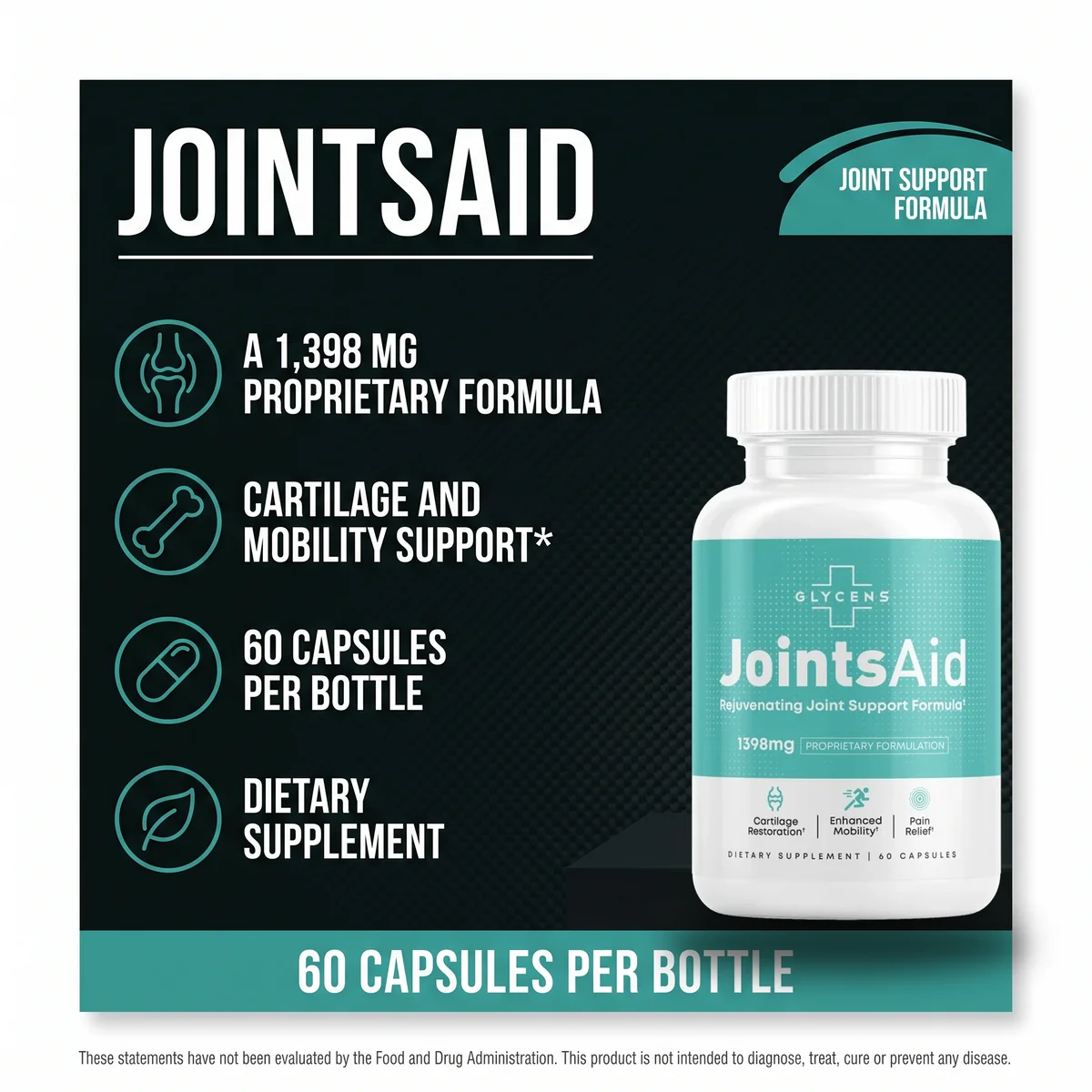
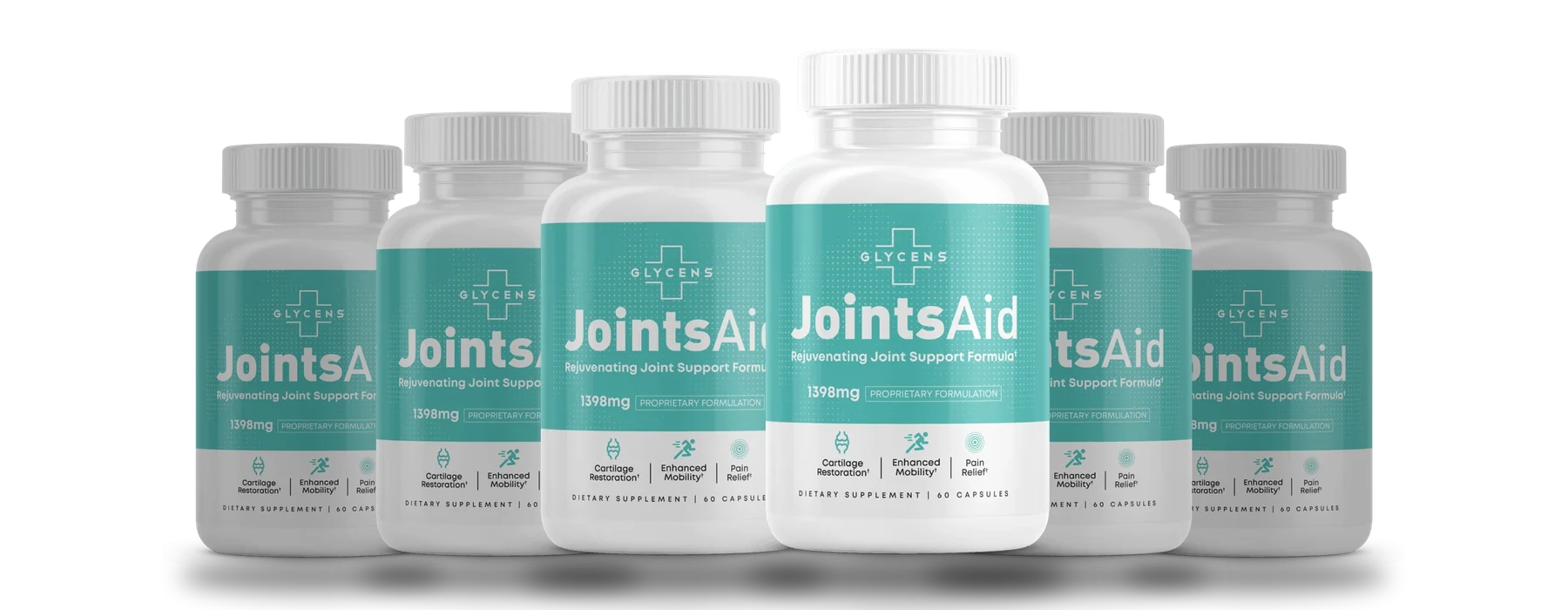
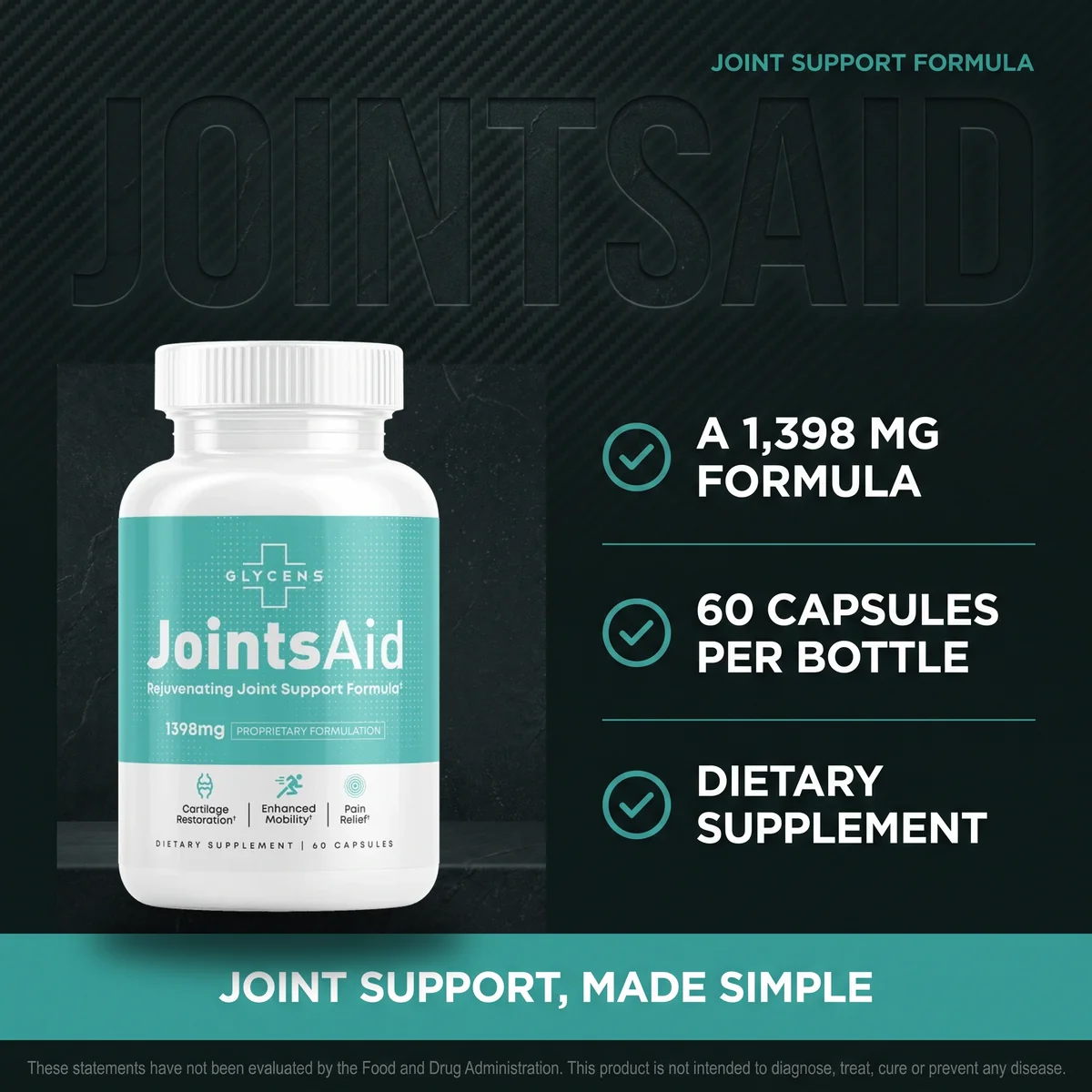
JointsAid pairs the cartilage nutrient glucosamine with a 1,398 mg proprietary formulation in a once-daily routine. See what JointsAid actually names; the six-bottle bundle is the best value at $49 per bottle, with free U.S. shipping and a 60-day guarantee.
Check today’s JointsAid pricing →Oral vs injected hyaluronic acid: which forms exist?
Hyaluronic acid reaches joints through very different routes that are not interchangeable — one is a medical procedure, the others everyday consumer options, as the table below lays out.
| Form | How it is used | What to know |
|---|---|---|
| Knee injection | Given by a clinician into the joint | Most-studied route; a medical decision with mixed guideline support. |
| Oral capsule / tablet | Swallowed daily as a supplement | Convenient; absorbed as fragments, evidence limited and mixed. |
| Combination formula | HA alongside glucosamine, chondroitin, collagen | Aims to support cushion and fluid together as part of a routine. |
| Food sources | Bone broth, some animal tissues | Minor, variable amounts; a whole-diet contributor, not a dose. |
Where does hyaluronic acid fit alongside a joint formula?
JointsAid is built primarily around the structural side of joint health: the cartilage building block glucosamine, layered with a 1,398 mg proprietary blend of turmeric, MSM, quercetin and boswellia serrata. Hyaluronic acid represents the complementary, lubrication side of the same story — the fluid that surrounds and protects the cushion those nutrients help maintain. It is why a joint routine is rarely about one ingredient: the cartilage and the fluid work as a pair.
When comparing formulas, always read the current label rather than a blog, since ingredient lists and doses can change. Check the live JointsAid ingredients section for the exact panel, then compare it with our glucosamine and chondroitin guide.
How can you support your joint fluid day to day?
Supporting joint fluid is less about one supplement and more about ordinary habits that keep a joint moving and nourished. Movement is the most direct lever: gentle, regular activity circulates synovial fluid and helps it do its job.
Which habits help most?
- Keep moving. Low-impact activity — walking, cycling, swimming — pumps fluid through the joint and helps nourish cartilage.
- Stay hydrated. Hyaluronic acid works by holding water, so overall hydration is a sensible everyday basic.
- Eat for connective tissue. Vegetables, oily fish and vitamin-C foods supply raw materials the body uses — see the best foods for joint health.
- Reach a comfortable weight. Less load through the knees and hips means less wear on the surfaces fluid protects.
- Be consistent. Joint nutrients build support gradually, so take any supplement at the same time daily.
Who should be cautious with hyaluronic acid?
Hyaluronic acid is generally considered well tolerated as an oral supplement, but “generally safe” is never the same as “right for everyone.” If you are pregnant or breastfeeding, take prescription medication, or are managing a health condition, talk to your doctor before adding any new supplement. Injected hyaluronic acid is a clinical procedure to discuss only with a qualified clinician, and a joint that is hot, red, badly swollen or painful after an injury calls for medical advice rather than a supplement.
Frequently asked questions
What does hyaluronic acid do in your joints?
Hyaluronic acid is a gel-like molecule that gives synovial fluid its slippery, shock-absorbing quality. It helps the fluid coat cartilage, lubricate moving surfaces and cushion the joint during load, which is why it is often described as the joint's natural lubricant.
Does oral hyaluronic acid actually reach the joints?
Oral hyaluronic acid is broken down and absorbed as smaller fragments rather than delivered whole to a specific joint. Some small studies suggest a comfort benefit, but the evidence is limited and mixed, so it is best viewed as general support rather than a guaranteed route to more joint fluid.
Is hyaluronic acid good for knees?
The knee is the most studied joint for hyaluronic acid, mainly through injections given by a clinician. Oral hyaluronic acid is far less certain, and any supplement should be seen as one part of a routine that also includes movement, strength and weight management, not a treatment for knee disease.
Is hyaluronic acid one of the JointsAid ingredients?
JointsAid is built around the cartilage nutrient glucosamineplus a 1,398 mg proprietary formulation. Hyaluronic acid is discussed here as the lubrication side of joint health that complements those structural nutrients; always check the current JointsAid label for the exact ingredient list and doses.
How long does hyaluronic acid take to work?
Any joint nutrient builds its support gradually rather than overnight, and most people give a routine several weeks to a few months. Individual results vary, and hyaluronic acid works best alongside daily movement, strength and a joint-friendly diet.
Are there any side effects or cautions with hyaluronic acid?
Oral hyaluronic acid is generally well tolerated, but if you are pregnant, breastfeeding, taking medication or managing a health condition, ask a doctor before starting. Injected hyaluronic acid is a medical procedure that should only be discussed with a qualified clinician.
See what JointsAid actually names →
JointsAid is a dietary supplement, not a treatment for any medical condition. These statements have not been evaluated by the Food and Drug Administration. This product is not intended to diagnose, treat, cure or prevent any disease. Always consult a qualified healthcare professional about your individual needs.
References & further reading
- National Center for Complementary and Integrative Health (NCCIH). Osteoarthritis — In Depth. nccih.nih.gov/health/osteoarthritis-in-depth
- National Institute of Arthritis and Musculoskeletal and Skin Diseases (NIAMS). Osteoarthritis — Overview. niams.nih.gov/health-topics/osteoarthritis
- Oe M et al., Nutrition Journal, 2016. Oral hyaluronan relieves knee pain: a review. Oe M et al., Nutrition Journal, 2016 — PubMed 26818459
- Examine.com. Hyaluronic acid — evidence-based summary. examine.com/supplements/hyaluronic-acid
- Mayo Clinic. Hyaluronic acid injection (knee) — overview. mayoclinic.org/drugs-supplements/hyaluronic-acid-injection-route
- Tashiro T et al., The Scientific World Journal, 2012. Oral administration of polymer hyaluronic acid alleviates symptoms of knee osteoarthritis: a double-blind, placebo-controlled study over a 12-month period. Tashiro T et al., The Scientific World Journal, 2012 — PubMed 23226979
- Hill WS et al., Nutrients, 2023. A Multicenter, Randomized, Double-Blinded, Placebo-Controlled Clinical Trial to Evaluate the Efficacy and Safety of a Krill Oil, Astaxanthin, and Oral Hyaluronic Acid Complex on Joint Health in People with Mild Osteoarthritis. Hill WS et al., Nutrients, 2023 — PubMed 37686801
These references describe hyaluronic acid and joint fluid in general terms and do not constitute evidence that any product treats, cures or prevents any condition.
Keep reading: glucosamine and chondroitin · relieving joint pain naturally · best foods for joint health · the JointsAid review.