Glucosamine sulfate for joint pain: where it fits in JointsAid

Updated August 2026 · reviewed by the JointsAid Research Team. We are an independent information resource, not a medical provider; this article is educational, not medical advice.
Glucosamine sulfate is a stabilised salt form of glucosamine — a natural amino sugar your body uses as a raw material for the cartilage and lubricating fluid inside a joint. As a supplement it is one of the most studied joint nutrients, taken daily to support everyday comfort and mobility. It is a building block, not a cure, and it works best alongside movement, strength and a sensible diet.
Glucosamine sulfate for joint pain, in one honest snapshot.
- What it is
- The sulfate salt of glucosamine, an amino sugar the body already makes and uses to build cartilage and joint fluid.
- What it does
- Supplies a cartilage building block; it is a nutritional support for joint comfort, not a treatment for any disease.
- The evidence
- Widely studied with mixed results — some trials show modest benefit for stiffness and comfort, others show little, so honesty matters.
- Where it comes from
- Usually extracted from shellfish shells, so anyone with a shellfish allergy should ask a doctor first.
- In JointsAid
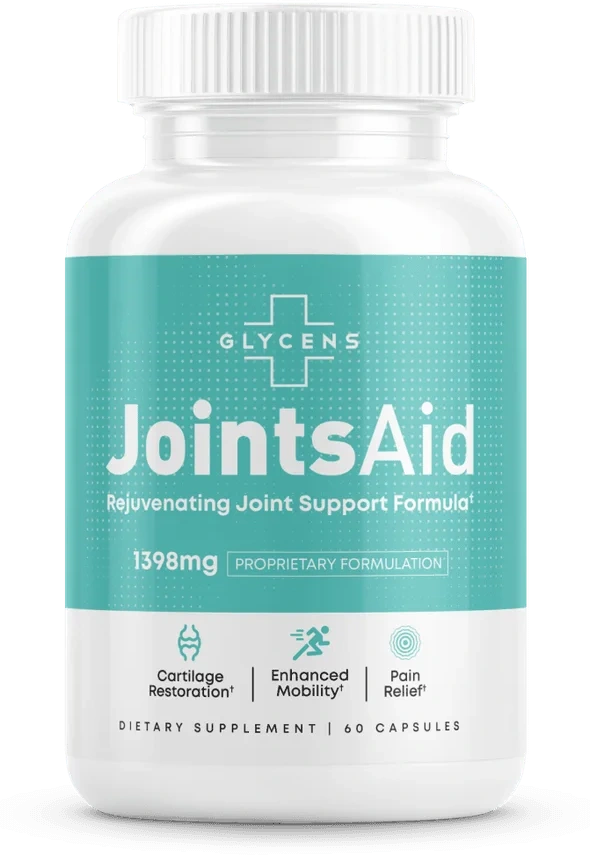
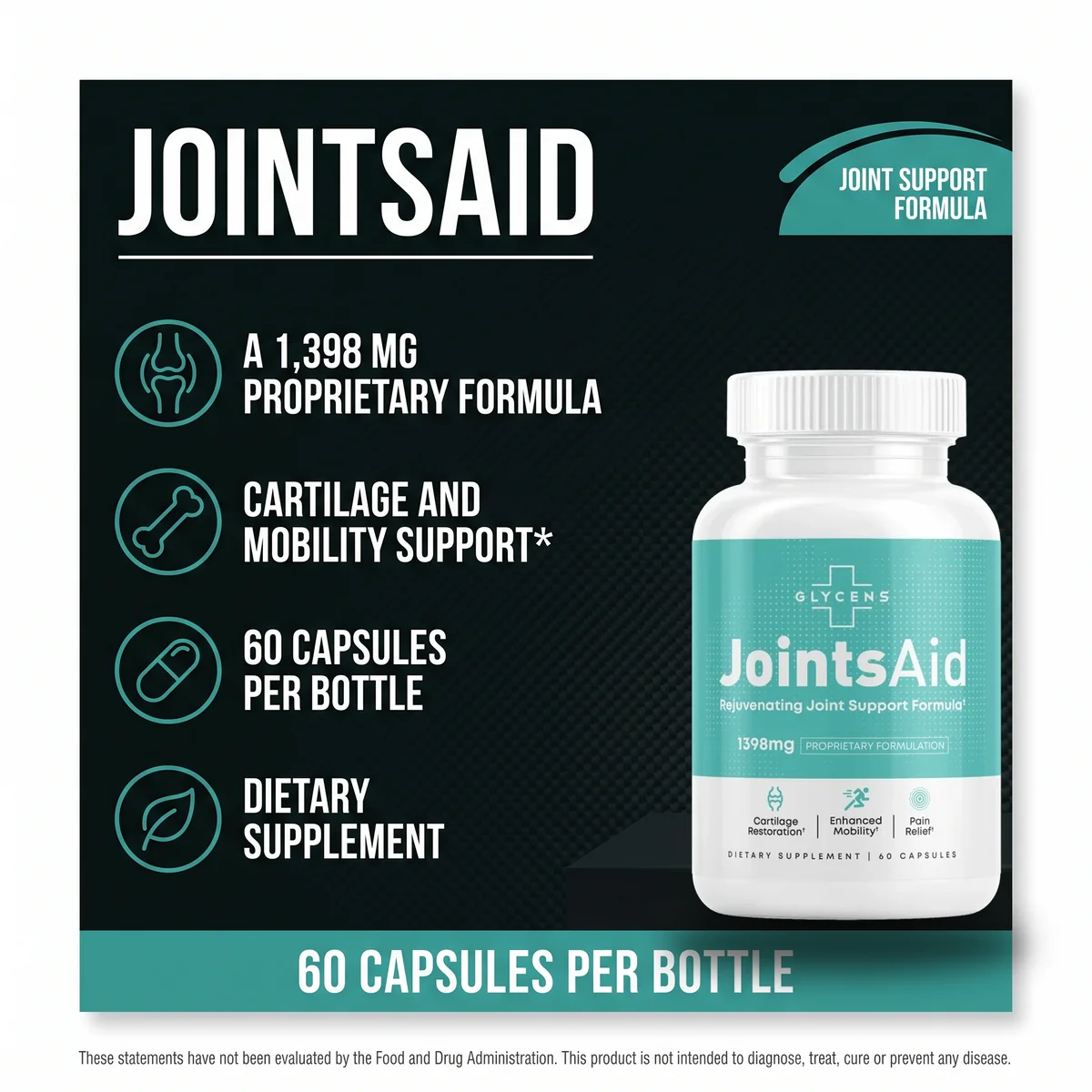
- Glucosamine sits with turmeric and boswellia serrata plus a 1,398 mg proprietary formulation in a once-daily serving.
Glucosamine is almost always the first ingredient you meet on a joint supplement label — and more often than not it appears as glucosamine sulfate. This guide looks at that form on its own terms: what it is, why the sulfate version became the default, where it is sourced, and how it fits as a cartilage building block inside a formula like JointsAid. We cover the glucosamine-plus-chondroitin pairing separately; here the spotlight stays on the sulfate.
What is glucosamine sulfate?
Glucosamine sulfate is a naturally occurring amino sugar joined to a sulfate group to make it stable and easy to formulate (Reginster JY et al., The Lancet, 2001). Your body already produces glucosamine on its own, using it to build the glycosaminoglycans in cartilage and the synovial fluid that keeps a joint gliding smoothly. The idea behind supplementing is simple: give the body extra raw material for the tissues that cushion a joint. The “sulfate” part is not just a label — sulfur itself is a component the body draws on when maintaining connective tissue, which is part of why this form became popular.
A quick note on language: glucosamine sulphate for joint pain (the British spelling) and glucosamine sulfate are the same compound; you will see both spellings on labels and in research. What matters is the molecule inside, and how much a serving delivers.
Glucosamine sulfate vs other forms: what is the difference?
Glucosamine reaches you in more than one form, and the differences are mostly about the partner molecule attached to it rather than the glucosamine itself. The table below lays out the common ones plainly.
| Form | What it is | Notes for shoppers |
|---|---|---|
| Glucosamine sulfate | Glucosamine bound to a sulfate salt, often stabilised with potassium or sodium chloride | The form used in much of the older, more positive research; frequently the default in joint blends. |
| Glucosamine hydrochloride | Glucosamine bound to hydrochloride | More concentrated glucosamine per gram; less studied on its own for comfort outcomes. |
| N-acetyl glucosamine | An acetylated version of glucosamine | Less common in joint formulas; different absorption profile. |
Is glucosamine sulfate better than the hydrochloride form?
Honestly, the science does not hand us a clean winner. Much of the encouraging research on glucosamine used the sulfate form, which is one reason manufacturers reach for it, and some reviewers argue the sulfate component may matter. Others point out that the two forms deliver the identical glucosamine molecule and that head-to-head trials are limited. The pragmatic takeaway: the sulfate form is a reasonable, well-precedented default, but nobody should expect a dramatic difference between the two, and neither is guaranteed to work for a given person.
How does glucosamine sulfate support joints?
Glucosamine sulfate supports joints by supplying a building block the body uses to make and maintain cartilage and joint fluid (NCCIH, Glucosamine and Chondroitin for Osteoarthritis). Cartilage is the smooth cushioning at the ends of your bones, and unlike most tissue it has no direct blood supply — it relies on the surrounding fluid to deliver nutrients as the joint moves. Glucosamine is one of the molecules the body strings together into the structures that give cartilage its water-holding, shock-absorbing quality, and the theory of supplementing is that extra glucosamine gives those maintenance processes more raw material.
That said, biology is not a guarantee of a felt result — a supplement can supply a building block without that translating into a noticeable change in comfort, which is why the evidence deserves an honest look.
What does the evidence say about glucosamine and joint pain?
The evidence on glucosamine and joint pain is genuinely mixed, and any honest guide has to say so. Some clinical trials and reviews have reported modest improvements in joint stiffness and comfort over several weeks to months, particularly with the sulfate form at around 1,500 mg a day (Clegg DO et al., New England Journal of Medicine, 2006). Other large, well-run trials have found little difference from placebo. Independent bodies such as the U.S. National Center for Complementary and Integrative Health summarise the picture as inconsistent: it may help some people a little and does not appear to help others.
What that means for you is simple. Glucosamine sulfate is not a painkiller and not a treatment for arthritis or any diagnosed condition. It is a well-tolerated nutritional support with a plausible mechanism and a modest, uncertain evidence base. Treat it as one supporting habit among several — movement, strength and weight matter more — and give it a fair, consistent trial. Our guide on how to relieve joint pain naturally puts those bigger levers in context.
See what JointsAid actually names
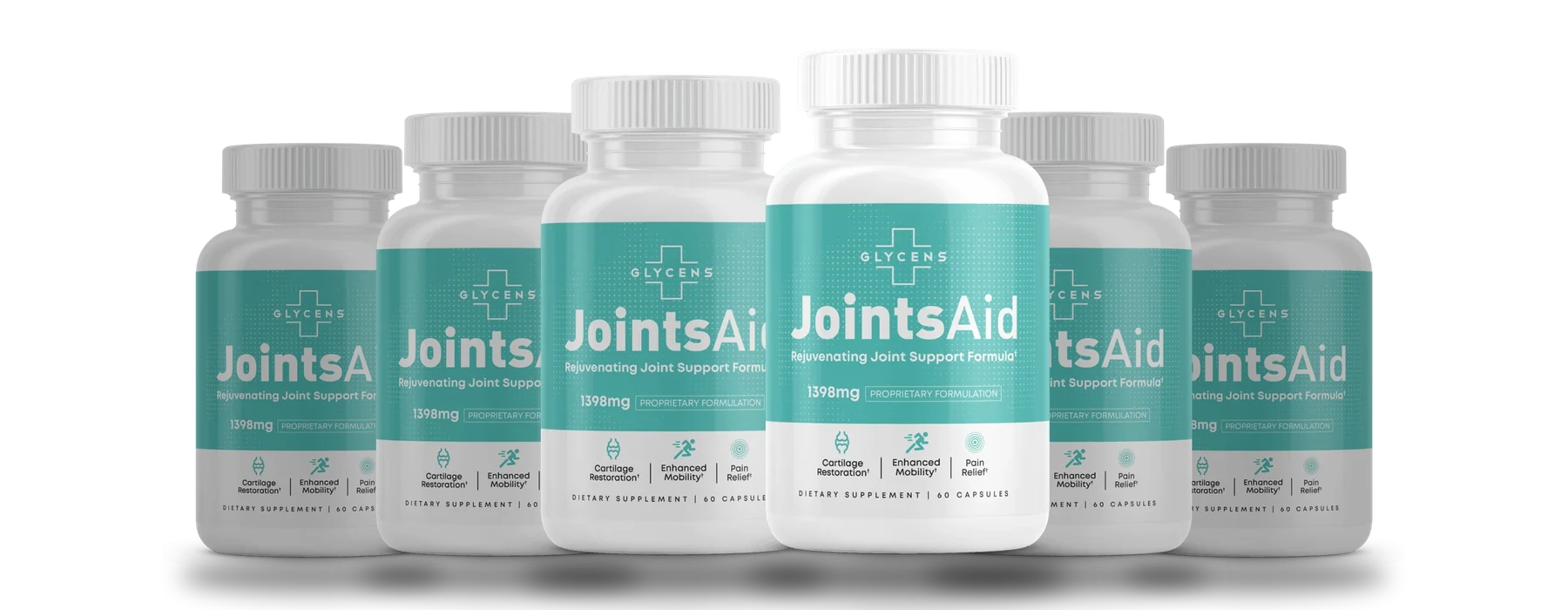
JointsAid layers glucosamine with turmeric, quercetin and a 1,398 mg proprietary formulation in a once-daily serving. The six-bottle bundle is the best value at $49 per bottle, with free U.S. shipping and a 60-day guarantee.
Check today's JointsAid pricing — from $49/bottleWhere does glucosamine sulfate come from? The shellfish question
Most glucosamine sulfate on the market is extracted from the shells of shellfish — shrimp, crab and lobster — which is the single most important sourcing fact for shoppers to know. For most people this is not an issue, but if you have a shellfish allergy it is a genuine reason for caution, and you should speak with a doctor before taking any glucosamine product. The allergy risk sits mainly with the protein in shellfish flesh rather than the shell-derived sugar, but reactions have been reported.
For people who avoid shellfish, shellfish-free glucosamine does exist — it is typically fermented from corn. If that matters to you, check the label, because “glucosamine” on an ingredient line does not, by itself, tell you where it was sourced.
| Sourcing point | What to know |
|---|---|
| Most common source | Extracted from shellfish shells (shrimp, crab, lobster). |
| Shellfish allergy | Ask a doctor first; do not assume a shell-derived ingredient is automatically safe. |
| Shellfish-free option | Fermented from corn; look for a clear “shellfish-free” or “vegetarian” claim. |
| Typical studied dose | Around 1,500 mg of glucosamine per day. |
How much glucosamine is in JointsAid?
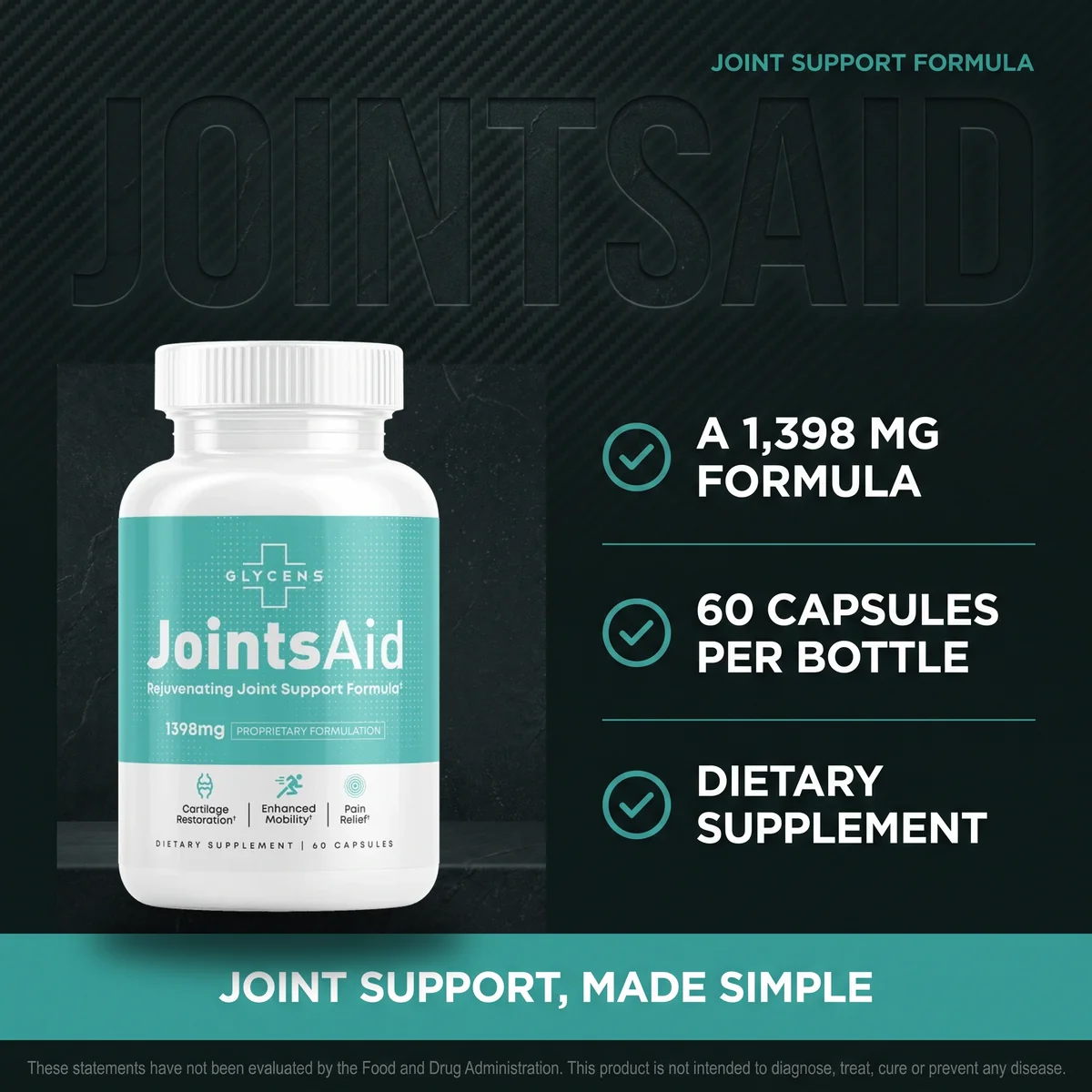
JointsAid uses glucosamine as one of several cartilage building blocks rather than a stand-alone, high-dose pill. In a once-daily serving it pairs glucosamine with turmeric and boswellia serrata, then adds a 1,398 mg proprietary blend of turmeric, MSM, quercetin and boswellia serrata — combination over isolation. The full ingredient breakdown lives in the ingredients section on the homepage, and our glucosamine and chondroitin guide explains why the two are so often paired.
How should you take glucosamine for the best chance of a result?
Consistency is the whole game. Because glucosamine is a slow-building nutrient, the research that reports benefit runs for weeks to months of daily use, so a one-week trial tells you almost nothing. Take it at the same time each day — for JointsAid, the labelled serving with a meal — and think in multi-month terms; compare the packages and pricing on the homepage.
Who should be cautious with glucosamine sulfate?
Glucosamine is generally well tolerated, but not for everyone. Talk to your doctor before starting if you have a shellfish allergy, take blood-thinning medication, are managing diabetes or blood-sugar concerns, or are pregnant or breastfeeding. Mild digestive upset is the most commonly reported side effect. The umbrella rule for any supplement applies: glucosamine sulfate supports everyday joint comfort as part of a wider routine — it is not a substitute for medical care, and any new, severe or injury-related joint pain deserves a professional assessment.
Frequently asked questions
What is glucosamine sulfate?
Glucosamine sulfate is a stabilised salt form of glucosamine, a naturally occurring amino sugar the body uses as a raw material for the cartilage and fluid that cushion a joint. In supplements it is one of the most studied joint nutrients and is usually taken daily as a support to movement and diet, not as a treatment.
Is glucosamine sulfate better than glucosamine hydrochloride?
The two forms deliver the same glucosamine molecule with a different partner salt. Much of the older positive research used the sulfate form, so it is often the default choice, while the hydrochloride form is more concentrated. Evidence comparing them head-to-head is mixed, and neither is a guaranteed result for any individual.
Does glucosamine sulfate come from shellfish?
Most glucosamine sulfate is extracted from the shells of shellfish such as shrimp, crab and lobster, so anyone with a shellfish allergy should speak to a doctor before using it. Shellfish-free versions fermented from corn are also available for people who need to avoid shellfish-derived ingredients.
How long does glucosamine sulfate take to work?
Glucosamine is a slow-building nutrient rather than a fast-acting one. Studies that report benefits usually run for several weeks to a few months of daily use, so most people give it a consistent multi-month trial. Individual results vary and some people notice little change.
How much glucosamine sulfate should you take a day?
The dose used in most research is around 1,500 mg of glucosamine per day, often taken once daily or split across meals. Always follow the label on the product you choose and check with a healthcare professional if you take medication or have a health condition.
How much glucosamine is in JointsAid?
JointsAid pairs glucosamine with turmeric and boswellia serrata alongside a 1,398 mg proprietary blend of turmeric, MSM, quercetin and boswellia serrata in a once-daily serving. See the ingredients section on the JointsAid homepage for the full label and the exact amounts.
See what JointsAid actually names →
JointsAid is a dietary supplement, not a treatment for any medical condition. These statements have not been evaluated by the Food and Drug Administration. This product is not intended to diagnose, treat, cure or prevent any disease. Always consult a qualified healthcare professional about your individual needs.
References & further reading
- National Center for Complementary and Integrative Health (NCCIH). Glucosamine and Chondroitin for Osteoarthritis. nccih.nih.gov/health/glucosamine-and-chondroitin-for-osteoarthritis
- MedlinePlus / U.S. National Library of Medicine. Glucosamine sulfate. medlineplus.gov/druginfo/natural/807.html
- National Institute of Arthritis and Musculoskeletal and Skin Diseases (NIAMS). Osteoarthritis — Overview. niams.nih.gov/health-topics/osteoarthritis
- Pavelká K et al., Archives of Internal Medicine, 2002. Glucosamine sulfate use and delay of progression of knee osteoarthritis: a 3-year, randomized, placebo-controlled, double-blind study. Pavelká K et al., Archives of Internal Medicine, 2002 — PubMed 12374520
- Examine.com. Glucosamine — evidence-based summary. examine.com/supplements/glucosamine
- Reginster JY et al., The Lancet, 2001. Long-term effects of glucosamine sulphate on osteoarthritis progression: a randomised, placebo-controlled clinical trial. Reginster JY et al., The Lancet, 2001 — PubMed 11214126
- Clegg DO et al., New England Journal of Medicine, 2006. Glucosamine, chondroitin sulfate, and the two in combination for painful knee osteoarthritis. Clegg DO et al., New England Journal of Medicine, 2006 — PubMed 16495392
These references describe the ingredient in general terms and do not constitute evidence that any product treats, cures or prevents any condition.
Keep reading: how glucosamine and chondroitin work together · relieving joint pain naturally · back to the JointsAid blog · the JointsAid review.