Glucosamine vs chondroitin for joints: how they differ

Updated September 2026 · reviewed by the JointsAid Research Team. We are an independent information resource, not a medical provider, and this article is educational rather than medical advice.
Glucosamine and chondroitin are two different cartilage building blocks that work on the same tissue from opposite ends: glucosamine supplies the raw material the body uses to build cartilage, while chondroitin helps that cartilage hold water and resist compression (Clegg DO et al., New England Journal of Medicine, 2006). That is why the honest answer to “glucosamine or chondroitin?” is usually “both” — and it is exactly how JointsAid pairs them in a single daily capsule.
Glucosamine vs chondroitin for joints, settled in one box.
- Glucosamine
- An amino sugar the body uses as a raw material to build cartilage, tendons and joint fluid — the “supply” nutrient.
- Chondroitin
- A larger molecule woven into cartilage that helps it hold water and spring back under load — the “cushion” nutrient.
- Why paired
- They target cartilage in complementary ways, so most research and most formulas — including JointsAid — use them together, not one instead of the other.
- The honest caveat
- Evidence is mixed and they are daily nutritional support, not a treatment for any disease; results build slowly and vary from person to person.
If you have stood in a supplement aisle wondering whether you need glucosamine, chondroitin, or the pricier bottle with both, you are asking the right question. This guide breaks down what each one is, why they are so often paired on the same label, and how a formula like JointsAid settles the debate by including both.
What is the difference between glucosamine and chondroitin?
Glucosamine and chondroitin are both natural components of cartilage, but glucosamine is a small amino sugar that serves as a raw building block, while chondroitin is a large chain molecule that gives cartilage its water-holding, shock-absorbing quality (Hochberg MC et al., Annals of the Rheumatic Diseases, 2016). Put simply, glucosamine is the brick and chondroitin is part of what makes the wall springy — they are not competitors so much as two ends of the same process.
What is glucosamine, exactly?
Glucosamine is an amino sugar your body makes naturally and uses to build the molecules that form cartilage, tendons and joint fluid. In supplements it is usually derived from shellfish shells (or fermentation for a vegetarian version) and sold as glucosamine sulfate or hydrochloride. Of the two, glucosamine sulfate has the longer research track record, which is why it appears most often in cited studies. We cover it on its own in our guide to glucosamine sulfate for joint pain.
What is chondroitin, exactly?
Chondroitin — more precisely chondroitin sulfate — is a much larger molecule that sits within cartilage and draws in water like a sponge, giving the tissue its ability to cushion and rebound under pressure. Most chondroitin in supplements is sourced from bovine or marine cartilage, and it is naturally partnered with glucosamine in the body, which is one reason the two are so often bottled together.
Glucosamine vs chondroitin: how do they compare side by side?
A side-by-side comparison is the fastest way to see why neither ingredient is simply “better” — they differ in size, source, role and even the doses used in research. The table below lines up the practical differences at a glance.
| Feature | Glucosamine | Chondroitin |
|---|---|---|
| What it is | Small amino sugar | Large chain molecule (glycosaminoglycan) |
| Main role | Raw material to build cartilage & joint fluid | Helps cartilage hold water & resist compression |
| Common source | Shellfish shells or fermentation | Bovine or marine cartilage |
| Typical study dose | ~1,500 mg per day | ~800–1,200 mg per day |
| Best-studied form | Glucosamine sulfate | Chondroitin sulfate |
| Nickname | The “supply” nutrient | The “cushion” nutrient |
The two rarely overlap: glucosamine feeds the supply chain, while chondroitin manages the cushioning — which is why researchers keep testing them together rather than asking you to pick a side.
Why are glucosamine and chondroitin almost always paired?
Glucosamine and chondroitin are paired because they occur together in real cartilage and act on it in complementary ways, so combining them mirrors how the tissue is actually built. In the body, glucosamine helps produce the very chains that chondroitin is made of, and chondroitin, in turn, helps the finished cartilage stay hydrated and resilient. Bottling them together is an attempt to support both the manufacturing and the maintenance side of the same tissue in one dose.
There is also a historical reason: the large, widely cited trials — including the U.S. government-funded GAIT study — tested the combination, so the pairing is what most of the evidence base actually looked at. A formula that gives you both side by side is matching what the research used. For a deeper walkthrough, see our companion piece on glucosamine and chondroitin for joints.
See what JointsAid actually names →
Which one should you take — glucosamine or chondroitin?
If you must choose a single ingredient, glucosamine sulfate is the more logical starting point because it has the deeper research history, but for most people the combination is the more sensible default. Taking glucosamine alone can make sense on a tight budget; chondroitin alone is less common, usually done only when glucosamine is off the table, such as with certain allergies. The pragmatic path — the one most supplements follow — is to include both.
Where does JointsAid sit in this comparison?
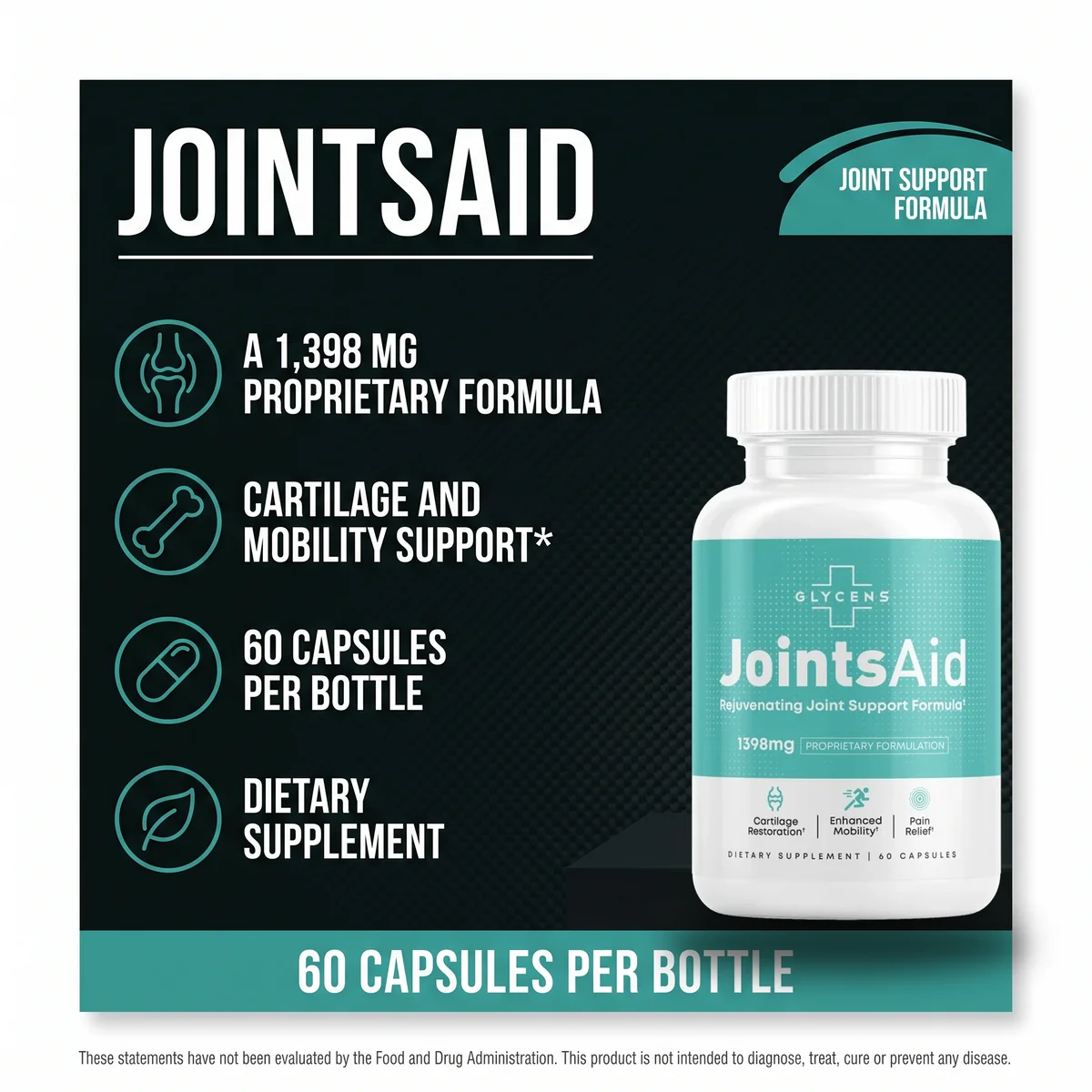
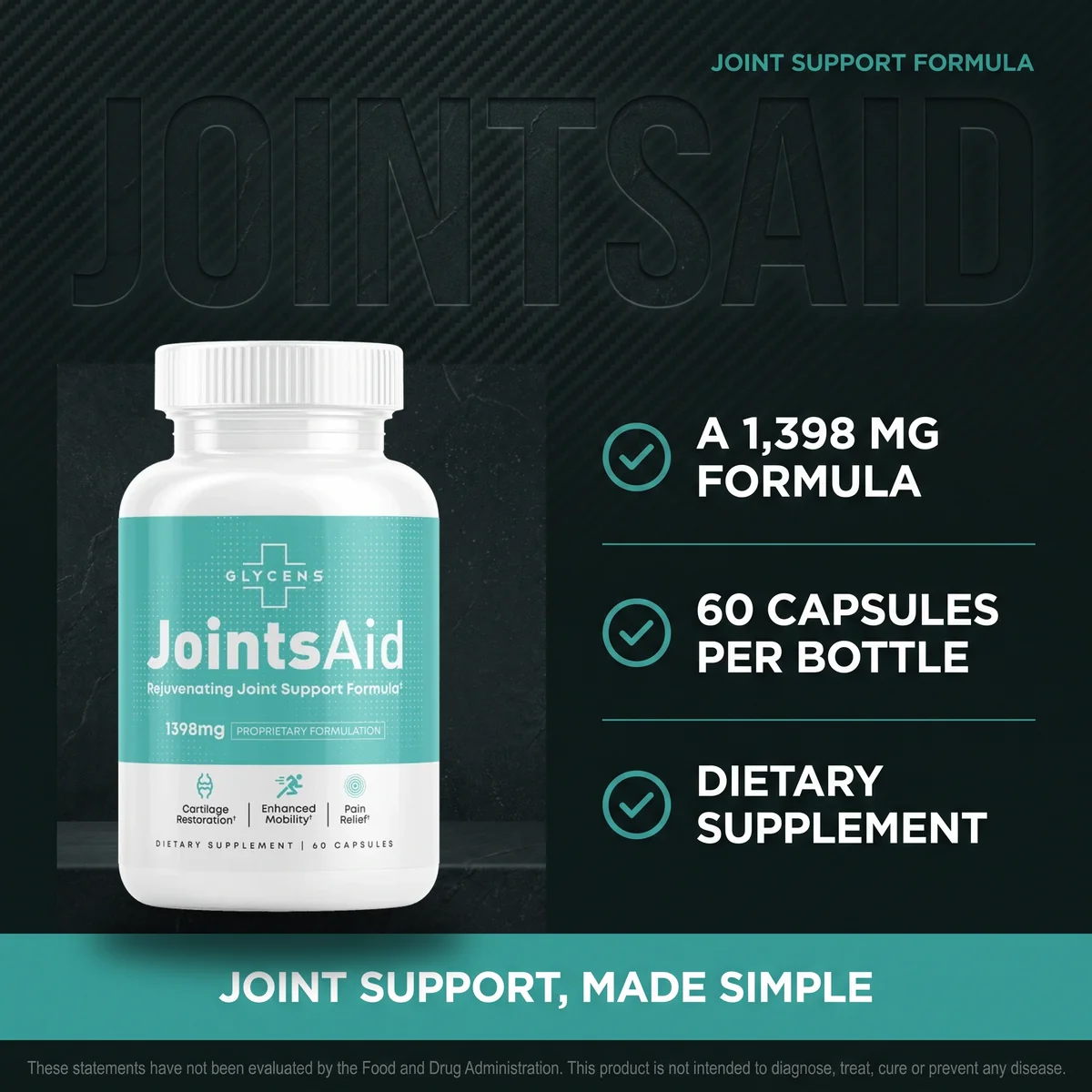
JointsAid answers the glucosamine-versus-chondroitin question by taking the glucosamine side, then layering plant-based comfort actives around it. Rather than gamble on a single ingredient, it pairs the two building blocks with a 1,398 mg proprietary blend of turmeric, MSM, quercetin, boswellia serrata and type II collagen. The table below shows how the pieces fit.
| Component in JointsAid | Category | Role in the formula |
|---|---|---|
| Glucosamine | Cartilage building block | Supplies the raw amino-sugar material for cartilage and joint fluid. |
| Chondroitin | Cartilage building block | Helps cartilage hold water and stay springy under load. |
| Type II collagen | Structural protein | A core protein of cartilage, included alongside the pair. |
| MSM | Sulfur source | Provides sulfur the body uses in connective tissue. |
| Turmeric & boswellia | Botanicals | Traditional comfort botanicals rounding out the blend. |
| Ginger | Culinary botanical | A long-used kitchen root common in mobility formulas. |
In other words, the “glucosamine vs chondroitin” debate is one JointsAid settles on the glucosamine side, then adds four plant-based comfort actives around it. See the full breakdown in the ingredients section or read the independent JointsAid review on the homepage.
Take the glucosamine side in one capsule
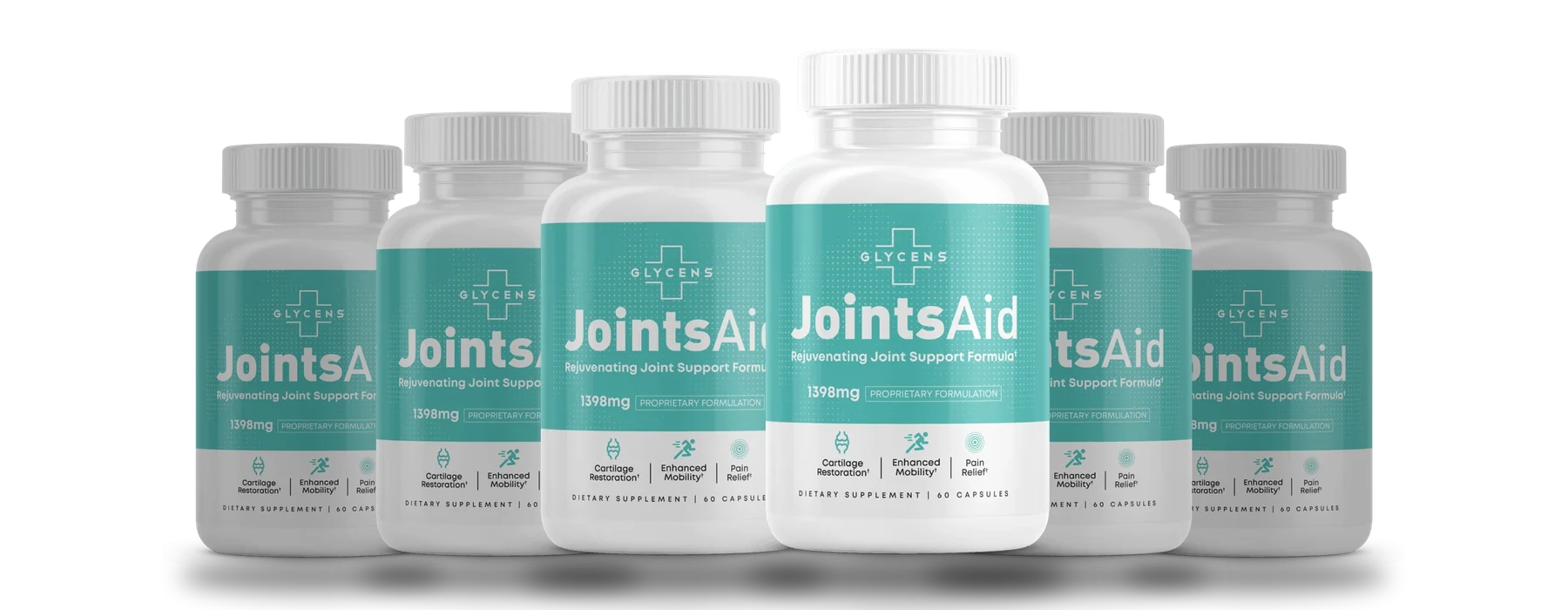
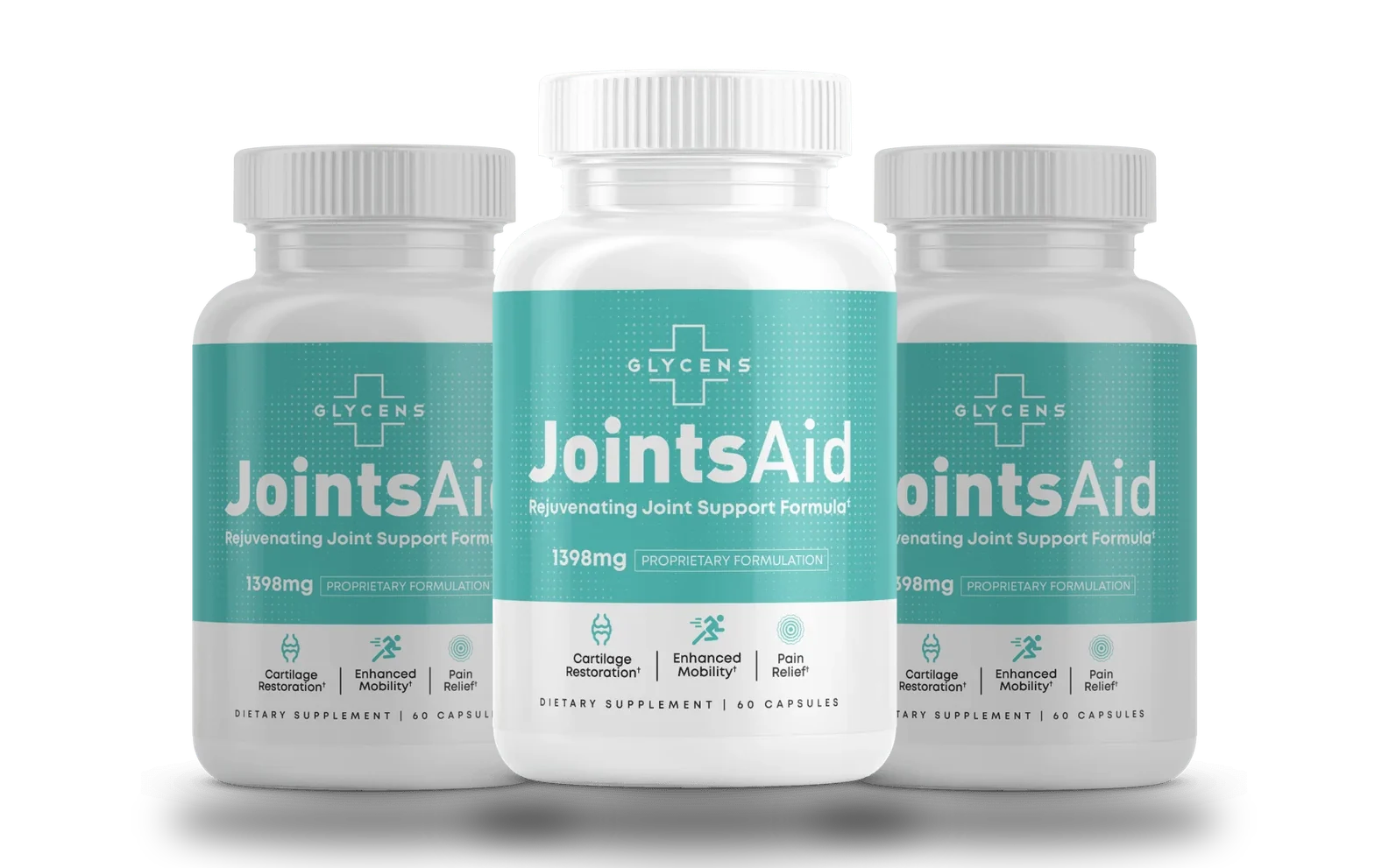
JointsAid is a once-daily routine pairing glucosamine and chondroitin with a 1,398 mg proprietary formulation — no need to buy two bottles. The six-bottle bundle is the best value at $49 per bottle, with free U.S. shipping and a 60-day guarantee.
Check today’s JointsAid pricing — from $49/bottleWhat does the evidence actually say?
Honestly, the clinical evidence for glucosamine and chondroitin is mixed rather than settled (NCCIH, Glucosamine and Chondroitin for Osteoarthritis). Large trials such as the government-funded GAIT study found that, for the average participant, the nutrients — alone or combined — performed no better than placebo, while a subgroup with more discomfort appeared to notice more. European studies using pharmaceutical-grade glucosamine sulfate have sometimes reported more favorable results, which is part of why opinion remains divided.
The takeaway is modest: these are well-tolerated cartilage nutrients with a plausible mechanism, but they are daily nutritional support, not a treatment for any disease. That is how JointsAid presents them — as one part of a routine that also includes movement, strength and diet, covered in how to relieve joint pain naturally.
How long until you notice anything, and who should be careful?
Glucosamine and chondroitin are slow, cumulative nutrients, so any support they offer builds over weeks rather than hours, and most routines are given a fair two to three months before judging them. Because they work gradually, many people choose a multi-month supply — you can compare the packages and pricing on the homepage.
On safety, both are generally well tolerated, with occasional mild digestive upset the most common complaint. A few groups should check with a doctor first: because glucosamine is often shellfish-derived, mention any shellfish allergy; because chondroitin is chemically related to the blood thinner heparin, anyone on anticoagulants should ask; and those pregnant, nursing, or managing diabetes should seek personalized advice.
Skip the two-bottle guesswork — see JointsAid →
Frequently asked questions
What is the difference between glucosamine and chondroitin?
Glucosamine is an amino sugar the body uses to build and repair cartilage, tendons and the fluid inside a joint, while chondroitin is a larger molecule woven into cartilage that helps it hold water and stay springy. Glucosamine supplies raw material; chondroitin helps the cushion resist compression. They act on the same tissue from different angles, which is why they are usually studied and sold together.
Should I take glucosamine or chondroitin on its own?
Either can be taken alone, but most research and most supplements pair them because they play complementary roles in cartilage. If you are choosing a single ingredient on a budget, glucosamine sulfate has the longer research history; if you want the combination most studies actually tested, look for a product that lists both - JointsAid itself names glucosamine but not chondroitin.
Does taking glucosamine and chondroitin together work better?
The evidence is mixed. Large trials have found the combination no more effective than placebo for the average person, while some analyses suggest a subgroup with more discomfort may notice more. The pairing is popular because the two nutrients target cartilage in complementary ways, not because a benefit is guaranteed, so treat it as gentle daily support rather than a treatment.
How much glucosamine and chondroitin should a formula contain?
Most studies used about 1,500 mg of glucosamine and 800 to 1,200 mg of chondroitin per day, usually split across the day. When comparing products, check the label for the actual milligram amounts of each rather than a single blended total, because proprietary blends can hide small doses.
Is glucosamine or chondroitin safe to take every day?
For most healthy adults both are generally well tolerated for daily use, with occasional mild digestive upset. Because glucosamine is often made from shellfish, mention any shellfish allergy first, and anyone on blood thinners, who is pregnant, or who has diabetes should check with a doctor, as chondroitin is chemically related to blood-thinning compounds.
How long before glucosamine and chondroitin might help?
These are slow, cumulative nutrients rather than fast-acting relief, so most routines are given several weeks to a few months of consistent daily use before judging them. Because they build support gradually, many people choose a multi-month supply, and individual results vary.
Try JointsAid risk-free for 60 days →
JointsAid is a dietary supplement, not a treatment for any medical condition. These statements have not been evaluated by the Food and Drug Administration. This product is not intended to diagnose, treat, cure or prevent any disease. Always consult a qualified healthcare professional about your individual needs.
References & further reading
- National Center for Complementary and Integrative Health (NCCIH). Glucosamine and Chondroitin for Osteoarthritis. nccih.nih.gov/health/glucosamine-and-chondroitin-for-osteoarthritis
- Clegg DO et al., New England Journal of Medicine, 2006. Glucosamine, chondroitin sulfate, and the two in combination for painful knee osteoarthritis. Clegg DO et al., New England Journal of Medicine, 2006 — PubMed 16495392
- National Center for Biotechnology Information (NCBI) Bookshelf. Glucosamine — overview. ncbi.nlm.nih.gov/books/NBK544456
- Examine.com. Chondroitin — evidence-based summary. examine.com/supplements/chondroitin
- Examine.com. Glucosamine — evidence-based summary. examine.com/supplements/glucosamine
- Mayo Clinic. Glucosamine — drugs and supplements. mayoclinic.org/drugs-supplements-glucosamine
- Hochberg MC et al., Annals of the Rheumatic Diseases, 2016. Combined chondroitin sulfate and glucosamine for painful knee osteoarthritis: a multicentre, randomised, double-blind, non-inferiority trial versus celecoxib. Hochberg MC et al., Annals of the Rheumatic Diseases, 2016 — PubMed 25589511
These references describe the ingredients in general terms and do not constitute evidence that any product treats, cures or prevents any condition.
Keep reading: how the pair works together · glucosamine sulfate · the JointsAid blog · homepage.