Supplements for inflammatory arthritis: the JointsAid guide

Updated September 2026 · reviewed by the JointsAid Research Team. We are an independent information resource, not a medical provider, and this article is educational rather than medical advice.
Supplements for inflammatory arthritis are nutrients and botanicals — think omega-3 fish oil, curcumin, boswellia and the cartilage building blocks glucosamine and chondroitin — that people explore to support everyday joint comfort alongside their medical care (Senftleber NK et al., Nutrients, 2017). They are not medicines and cannot treat, cure or slow arthritis, but understanding the categories helps you have a better conversation with your doctor and choose sensibly.
What the evidence actually supports, in one place.
- The short version
- A handful of nutrients are commonly explored for joint comfort; omega-3s and curcumin have the most supportive research, but none treats inflammatory arthritis.
- Two families
- Anti-inflammatory nutrients (omega-3, curcumin, boswellia, ginger) sit alongside cartilage nutrients (glucosamine, chondroitin, collagen, MSM).
- Where they fit
- Supplements are an optional add-on to prescribed care, movement and diet — never a replacement.
- Safety first
- Fish oil and botanicals can interact with blood thinners, and glucosamine is often shellfish-derived — clear any product with your doctor first.
- Where JointsAid fits
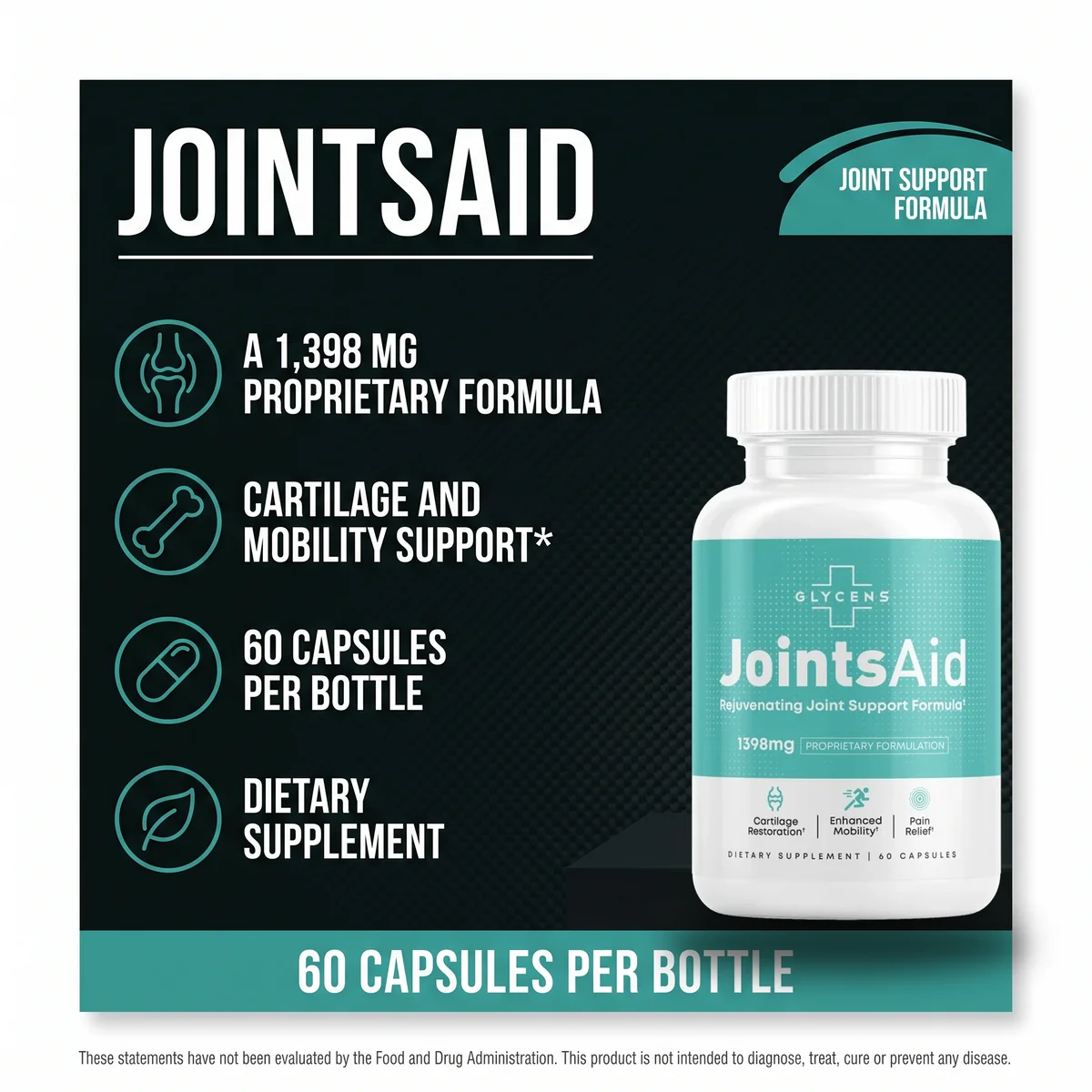
- JointsAid combines cartilage building blocks with a 1,398 mg proprietary formulation as a once-daily comfort supplement, not an arthritis treatment.
If you live with inflammatory arthritis — or care for someone who does — the supplement aisle can feel overwhelming, and it is hard to tell marketing from meaningful research. This overview groups the most talked-about options into plain categories, notes where the evidence is strong and where it is thin, and shows where a formula like JointsAid fits. None of it is medical advice or a replacement for your rheumatologist’s plan.

What are supplements for inflammatory arthritis?
Supplements for inflammatory arthritis are dietary ingredients — vitamins, fatty acids, cartilage components and plant extracts — taken to support general joint comfort, not to treat the underlying disease. Inflammatory arthritis, which includes rheumatoid and psoriatic arthritis, is driven by an overactive immune response rather than simple wear, so no capsule can switch off the process the way a prescribed medicine aims to (NCCIH, Rheumatoid Arthritis: In Depth). What supplements can do, for some people, is support the everyday experience of stiff, achy joints — one small part of a routine centred on medical care, movement and diet.
How is inflammatory arthritis different from osteoarthritis?
Inflammatory arthritis is immune-driven, while osteoarthritis is primarily a wear-and-tear condition, and that difference shapes which supplements people reach for. In osteoarthritis the cartilage cushioning a joint thins, so cartilage nutrients such as glucosamine and chondroitin are the classic interest. In inflammatory arthritis the immune system attacks the joint lining, so attention turns toward nutrients tied to a calmer inflammatory balance — especially omega-3s and botanicals. The two lists overlap, and many combination formulas — JointsAid included — cover both angles, a point our guide on how to reduce joint inflammation naturally explores further.
| Inflammatory arthritis | Osteoarthritis | |
|---|---|---|
| Main driver | Overactive immune response | Mechanical wear on cartilage |
| Examples | Rheumatoid, psoriatic, gout | Knee, hip and hand osteoarthritis |
| Popular supplement angle | Omega-3, curcumin, boswellia | Glucosamine, chondroitin, collagen |
| Medical care | Usually essential and ongoing | Often lifestyle-led plus pain relief |
Which supplement categories do people explore?
Most supplements marketed for arthritis fall into just a few families, and knowing the family tells you most of what you need. Below are the categories that come up again and again.
Omega-3 fatty acids (fish oil)
Omega-3s are the anti-inflammatory nutrients with the most supportive research behind them. The EPA and DHA in oily fish and fish-oil capsules are tied to a calmer inflammatory balance, and they are among the few supplements many clinicians will discuss with people who have inflammatory arthritis. They are a wellness support, not a drug, and high doses can thin the blood, so they need a doctor’s sign-off if you take anticoagulants.
Curcumin and anti-inflammatory botanicals
Curcumin, the active pigment in turmeric, is the most popular joint-comfort botanical. Alongside it sit boswellia (frankincense resin) and ginger, both with long traditions of use for everyday comfort. These are culinary and traditional ingredients, not treatments, and turmeric can interact with blood thinners.
Cartilage building blocks
Glucosamine and MSM are the structural nutrients the body uses in cartilage and connective tissue. They are more classically associated with osteoarthritis than immune-driven arthritis, but remain popular because cartilage matters in every joint. Evidence is mixed and person-dependent, so many people simply trial them for a couple of months. Glucosamine is frequently shellfish-derived, an important note for anyone with a shellfish allergy.
Vitamins, minerals and the diet foundation
Vitamin D, vitamin C and a few minerals round out the picture as supporting players. Vitamin D matters for bone and immune health, vitamin C is a raw material for collagen, and an anti-inflammatory diet underpins everything a supplement might add — our guide to the best foods for joint health covers that foundation.
See what JointsAid actually names →
What does the evidence actually say?
The honest summary is that evidence ranges from reasonably supportive to genuinely mixed, and none of it makes any supplement a treatment for arthritis. The table below sorts the best-known options by how much general research supports them — a plain-English snapshot, not a set of medical claims.
| Supplement | General evidence signal | Commonly explored for |
|---|---|---|
| Omega-3 (fish oil) | Relatively supportive | Everyday inflammatory balance and joint comfort |
| Curcumin (turmeric) | Promising but variable | General comfort; absorption depends on the formula |
| Boswellia | Emerging | Mobility and comfort in traditional use |
| Glucosamine + chondroitin | Mixed | Cartilage support, mainly in osteoarthritis |
| Type II collagen | Early | Connective-tissue raw material |
| Vitamin D | Foundational for deficiency | Bone and general immune health |
Two themes run through the research: quality and dose vary enormously between products, so the label matters as much as the ingredient; and supplements perform best as a support to movement, weight and diet, not on their own. For a deeper look at one of the most-studied pairings, see our guide to glucosamine and chondroitin for joints.
Where does JointsAid fit into this picture?
JointsAid is a combination joint-comfort supplement that covers both the cartilage and the botanical angles in one daily routine. It pairs the cartilage building block glucosamine with a 1,398 mg proprietary blend that layers in turmeric, MSM, quercetin and boswellia serrata, in a once-daily serving — putting it across two of the categories above at once: the structural nutrients and the anti-inflammatory botanicals (Javadi F et al., Journal of the American College of Nutrition, 2017). It is a general wellness supplement for everyday joint comfort and mobility, not a treatment for rheumatoid, psoriatic or any other form of arthritis, and it sits alongside — never replaces — your medical care.
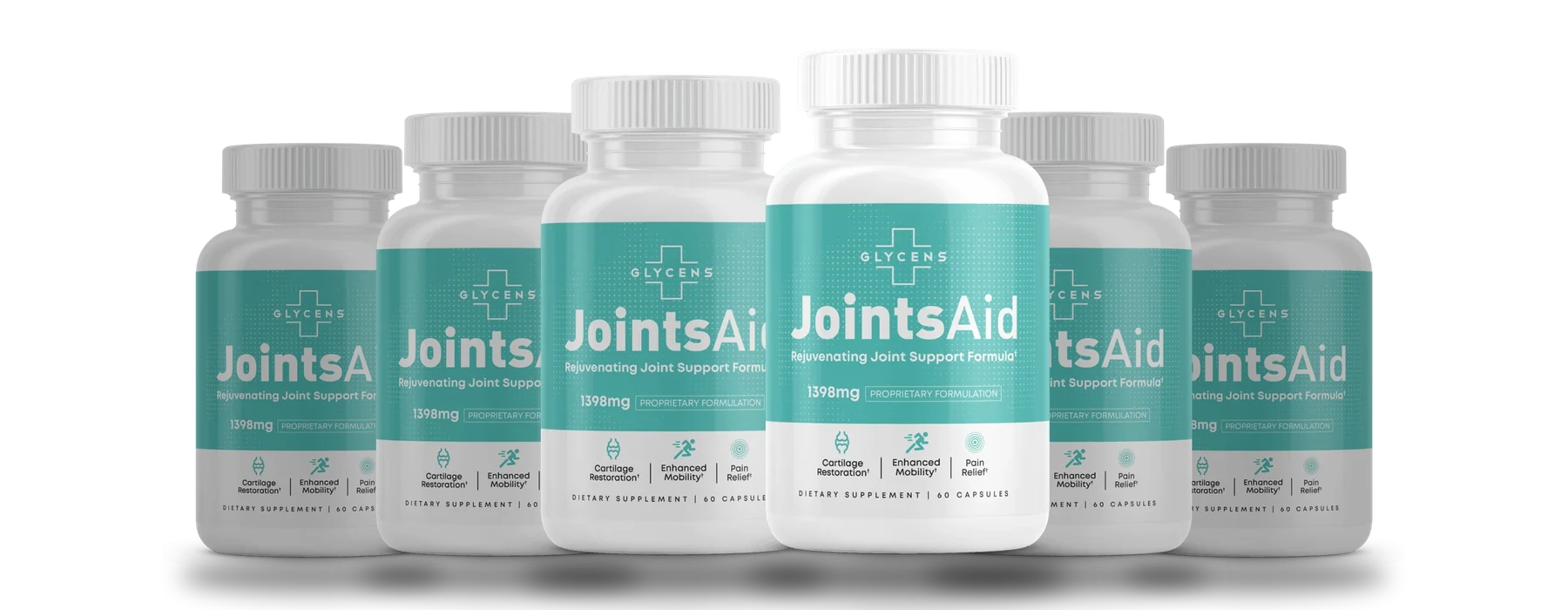
One daily formula across two categories
JointsAid brings cartilage nutrients and a 1,398 mg proprietary formulation into one daily habit. The six-bottle bundle is best value at $49 per bottle, with free U.S. shipping and a 60-day guarantee.
Check today’s JointsAid pricing — from $49/bottleHow do you choose and use supplements safely?
The safest way to use any arthritis supplement is to treat it as a medical decision, not a shopping one. Because inflammatory arthritis so often involves prescription medication, the interaction risk is real: fish oil and turmeric can add to blood thinners, and glucosamine may not suit a shellfish allergy. A few principles help.
- Talk to your doctor or pharmacist first, especially if you take arthritis medication or a blood thinner.
- Change one thing at a time so you can tell what, if anything, is helping.
- Give it a fair trial — usually eight to twelve weeks — before deciding whether to continue.
- Read the label for dose and form, not just the ingredient name, since potency varies between brands.
- Keep the foundations first: prescribed care, low-impact movement and an anti-inflammatory diet do the heavy lifting.
- Stop and check in if anything feels off, and never use a supplement to delay care for a hot, red or badly swollen joint.

When should you see a doctor?
Supplements are for supporting everyday comfort; a diagnosis and a treatment plan come from a professional. Speak with your doctor if you suspect inflammatory arthritis, if a joint is hot, red or badly swollen, or if morning stiffness lasts more than an hour. If you already have a diagnosis, your rheumatologist’s plan is the priority, and any supplement — JointsAid included — should be raised with them first. Because glucosamine is often shellfish-derived, mention any shellfish allergy before starting a joint formula.
Frequently asked questions
What are the best-studied supplements for inflammatory arthritis?
The most-studied options fall into a few groups: omega-3 fish oil, curcumin from turmeric, boswellia, and the cartilage nutrients glucosamine and chondroitin. Evidence is strongest for omega-3s and curcumin as general comfort supports; none is a treatment for arthritis, and they work best alongside medical care, movement and diet.
Do supplements reduce inflammation in arthritis?
Some nutrients, such as omega-3 fatty acids and curcumin, are associated with a calmer inflammatory balance in general research, but a dietary supplement is not a medicine and cannot be said to reduce disease activity. Anyone with diagnosed inflammatory arthritis should treat supplements as an optional add-on to their prescribed plan, not a substitute.
Are supplements for inflammatory arthritis the same as for osteoarthritis?
There is overlap but they are not identical. Osteoarthritis is a wear-and-tear condition where cartilage nutrients like glucosamine and chondroitin are popular, while inflammatory arthritis is immune-driven and people more often look at omega-3s and anti-inflammatory botanicals. Many formulas, including JointsAid, combine both angles.
Which supplements does JointsAid contain for joint comfort?
JointsAid pairs the cartilage building block glucosamine with a 1,398 mg proprietary blend that adds turmeric, MSM, quercetin and boswellia serrata in a once-daily serving. It is a general joint-comfort supplement, not a treatment for any form of arthritis.
Can I take arthritis supplements with my medication?
Not without checking first. Fish oil, turmeric and other botanicals can interact with blood thinners and other drugs, and glucosamine is often shellfish-derived. Always review any supplement with your doctor or pharmacist before adding it, especially if you take prescription medication for arthritis.
How long before joint supplements make a difference?
Joint nutrients build their support gradually rather than overnight. Most people trial a supplement consistently for eight to twelve weeks before judging it, which is why multi-month supplies are common. Individual results vary, and a supplement is only one part of a broader joint-care routine.
Try JointsAid risk-free for 60 days →
JointsAid is a dietary supplement, not a treatment for any medical condition. These statements have not been evaluated by the Food and Drug Administration. This product is not intended to diagnose, treat, cure or prevent any disease. Always consult a qualified healthcare professional about your individual needs.
References & further reading
- National Center for Complementary and Integrative Health (NCCIH). Rheumatoid Arthritis: In Depth. nccih.nih.gov/health/rheumatoid-arthritis-in-depth
- National Center for Complementary and Integrative Health (NCCIH). Turmeric. nccih.nih.gov/health/turmeric
- National Center for Complementary and Integrative Health (NCCIH). Omega-3 Supplements: In Depth. nccih.nih.gov/health/omega3-supplements-in-depth
- Mayo Clinic. Rheumatoid arthritis — Symptoms & causes. mayoclinic.org/diseases-conditions/rheumatoid-arthritis
- Gioxari A et al., Nutrition, 2018. Intake of ω-3 polyunsaturated fatty acids in patients with rheumatoid arthritis: a systematic review and meta-analysis. Gioxari A et al., Nutrition, 2018 — PubMed 28965775
- Examine.com. Curcumin — evidence-based summary. examine.com/supplements/curcumin
- Senftleber NK et al., Nutrients, 2017. Marine Oil Supplements for Arthritis Pain: A Systematic Review and Meta-Analysis of Randomized Trials. Senftleber NK et al., Nutrients, 2017 — PubMed 28067815
- Javadi F et al., Journal of the American College of Nutrition, 2017. The Effect of Quercetin on Inflammatory Factors and Clinical Symptoms in Women with Rheumatoid Arthritis: A Double-Blind, Randomized Controlled Trial. Javadi F et al., Journal of the American College of Nutrition, 2017 — PubMed 27710596
These references describe the ingredients and conditions in general terms and do not constitute evidence that any product treats, cures or prevents any condition.
Keep reading: how to reduce joint inflammation naturally · the best foods for joint health · the JointsAid review · back to the blog.