MSM vs turmeric for joints: what JointsAid actually uses

Updated September 2026 · reviewed by the JointsAid Research Team. We are an independent information resource, not a medical provider, and this article is educational rather than medical advice.
MSM versus turmeric for joints is not really a contest, because the two comfort actives work through different routes: MSM is a sulfur donor the body uses as a raw material in connective tissue, while turmeric’s curcumin is a plant polyphenol studied for how it influences the inflammatory response (Kuptniratsaikul V et al., Clinical Interventions in Aging, 2014). That is why a blend like JointsAid includes both rather than choosing between them.
MSM or turmeric for joints, settled in a few lines.
- The short version
- Neither is “better” — MSM supplies a material, turmeric influences a process; they complement rather than compete.
- MSM in one line
- A source of dietary sulfur the body uses in cartilage, collagen and glutathione, its own antioxidant.
- Turmeric in one line
- A culinary root whose curcumin compounds are studied for a balanced inflammatory response.
- Why blend them
- Different mechanisms mean a formula carrying both is not betting everything on one pathway — the approach JointsAid takes.
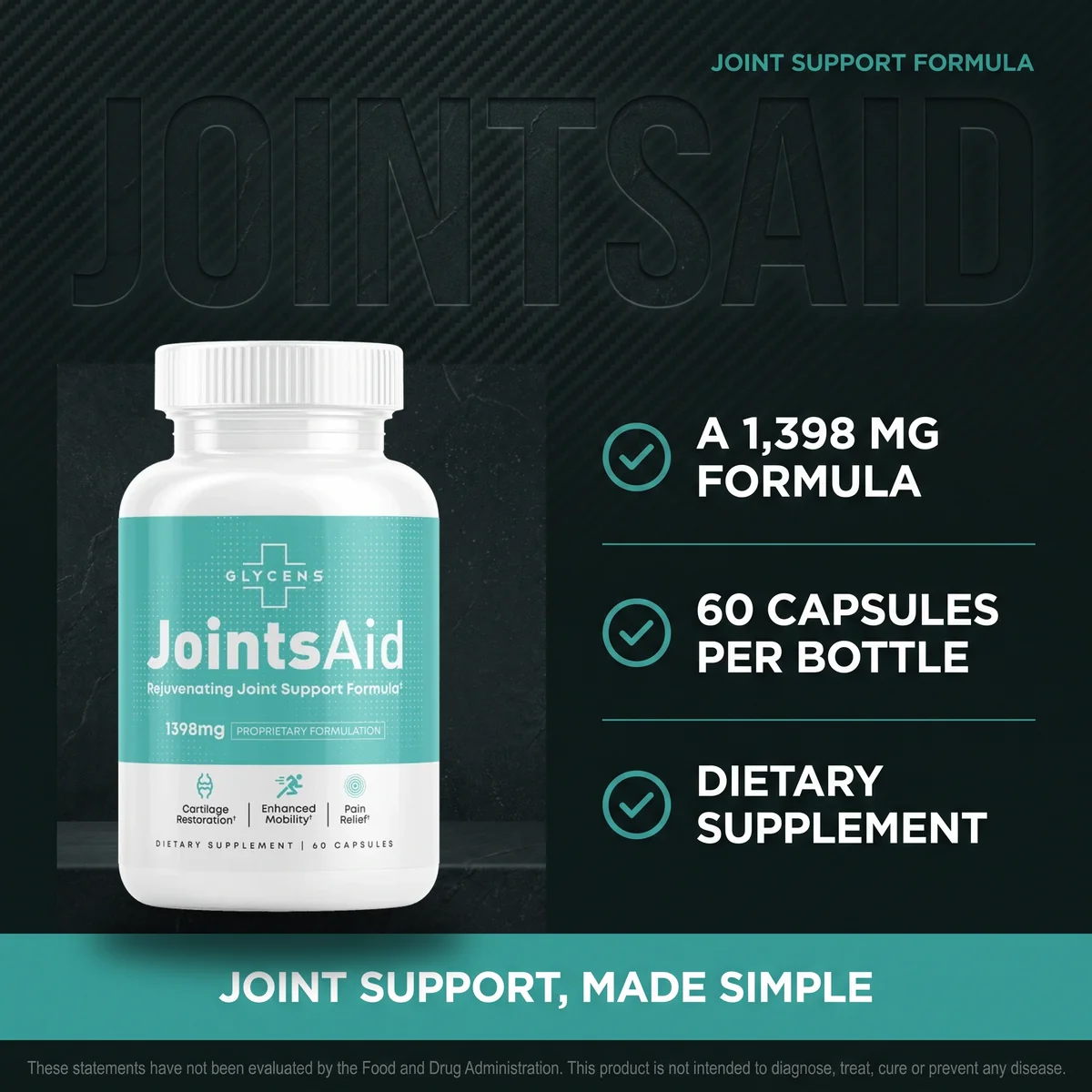
Compare joint supplements and you see the same two names on almost every label: MSM and turmeric. Yet they are chemically and biologically very different. This guide explains what each is, how the two comfort actives differ, and why JointsAid puts both into one daily blend instead of asking you to pick a side.
What is MSM, and what does it do for joints?
MSM — methylsulfonylmethane — is a naturally occurring organic sulfur compound, taken as a supplement to supply dietary sulfur. Sulfur is one of the body’s most abundant minerals and a raw material for cartilage, collagen and keratin, and for making glutathione, its own internal antioxidant. Taking MSM for joints is a simple idea: supply more of a material the body uses in connective tissue and antioxidant defences.
What does the research on MSM show?
Human studies of MSM, often at 1.5 to 3 grams a day, have looked at comfort and physical function in knee osteoarthritis and after strenuous exercise, with results that are promising but modest and drawn from small trials. The honest summary: MSM is well tolerated and biologically plausible as a comfort companion, but its evidence base is thinner than most marketing implies (Daily JW et al., Journal of Medicinal Food, 2016). It is a supporting nutrient, not a standalone answer.
What is turmeric, and how is it different?
Turmeric is the golden culinary root behind curry, and its joint reputation rests on a family of plant compounds called curcuminoids, of which curcumin is the most studied. Unlike MSM, curcumin is not a structural building block. It is a signalling molecule — a polyphenol researched for how it interacts with the pathways behind the everyday inflammatory response. In short: MSM offers material; turmeric offers influence over a process. That distinction is the heart of the comparison.
Why is curcumin absorption a problem?
Curcumin has one well-known drawback: on its own it is poorly absorbed, which is why turmeric extracts are standardised for curcumin content and paired with black pepper extract (piperine) to improve uptake. Trials for knee comfort report encouraging results, but formulations vary widely, so curcumin is a promising botanical rather than a settled remedy.
Sulfur vs curcumin for joints: how do they really compare?
Comparing sulfur and curcumin for joints means comparing a building-block nutrient with a process-modulating botanical, which is why the two rarely compete for the same job. MSM feeds the raw materials of connective tissue and the antioxidant system; curcumin is studied for how it nudges inflammatory signalling. The table below sets the two comfort actives side by side on the dimensions that matter on a label.
| Dimension | MSM (sulfur donor) | Turmeric (curcumin botanical) |
|---|---|---|
| What it is | Organic sulfur compound | Root spice standardised for curcuminoids |
| Main role discussed | Supplies sulfur for connective tissue & glutathione | Supports a balanced inflammatory response |
| Mechanism type | Building block / raw material | Signalling / process modulation |
| Typical study dose | ~1.5–3 g/day | Hundreds of mg of standardised curcumin |
| Absorption note | Readily absorbed | Poor unless enhanced (e.g. piperine) |
| Evidence maturity | Modest, small trials | Promising, variable formulations |
Read that table and the “which is better” framing dissolves. Asking whether sulfur beats curcumin is like asking whether the bricks or the mortar build the wall: they do different jobs. That is the logic behind combining them. For a deeper look at each on its own, see our guides to the MSM supplement for joint pain and the turmeric supplement for joint pain.
Want both in one capsule?
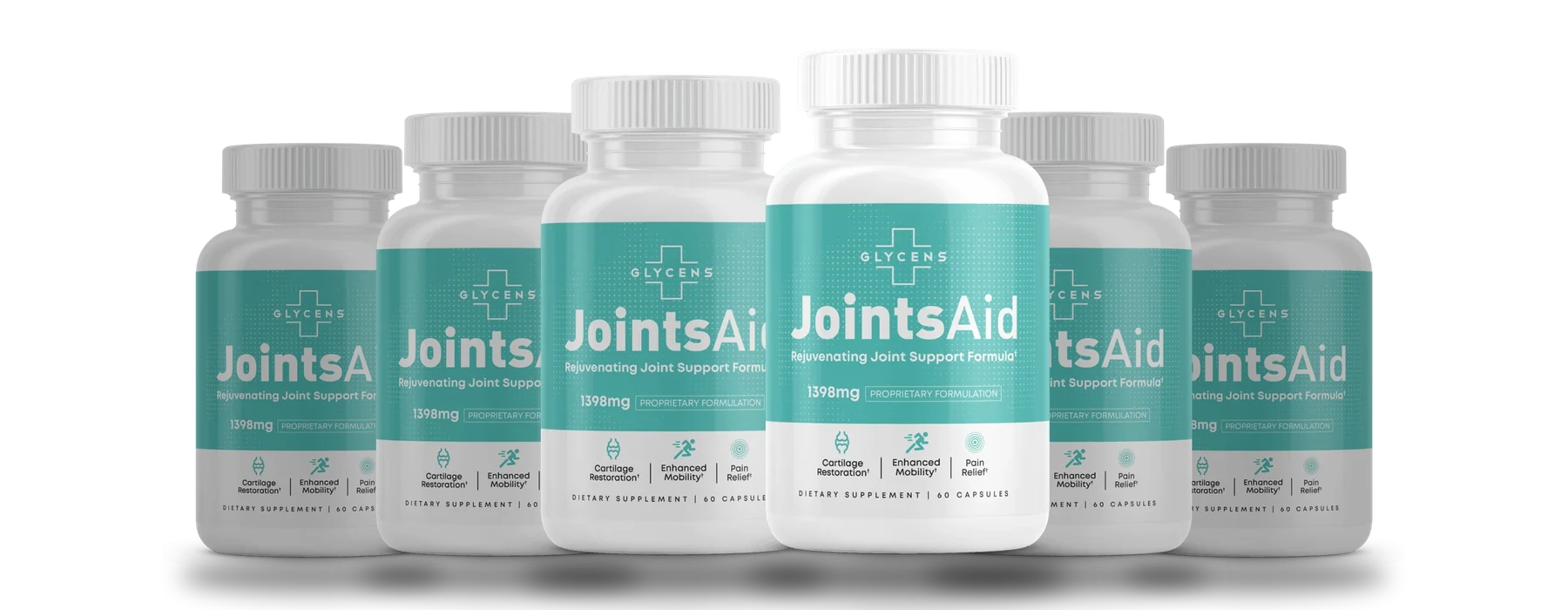
Instead of buying MSM and turmeric separately, JointsAid layers both into a single 1,398 mg blend with cartilage nutrients. See what JointsAid actually names on the six-bottle bundle — the best value at $49 per bottle, with free U.S. shipping and a 60-day guarantee.
Check today’s JointsAid pricing — from $49/bottleCan you take MSM and turmeric together?
You can take MSM and turmeric together, and because their mechanisms differ, combining them covers more of the comfort picture without relying on a single pathway. There is no known interaction between the two, and both are well tolerated at typical doses. The cautions belong to turmeric: at higher doses curcumin may affect blood clotting, so anyone on blood thinners or other medication, or who is pregnant, should check with a doctor first.
This is why comfort formulas so often list both. Rather than assembling a shelf of single-ingredient bottles, a well-built blend puts the sulfur donor and the curcumin botanical in the same capsule, alongside the cartilage nutrients that address structure. Our guide to glucosamine and chondroitin for joints explains those building blocks.
Why does JointsAid include both MSM and turmeric?
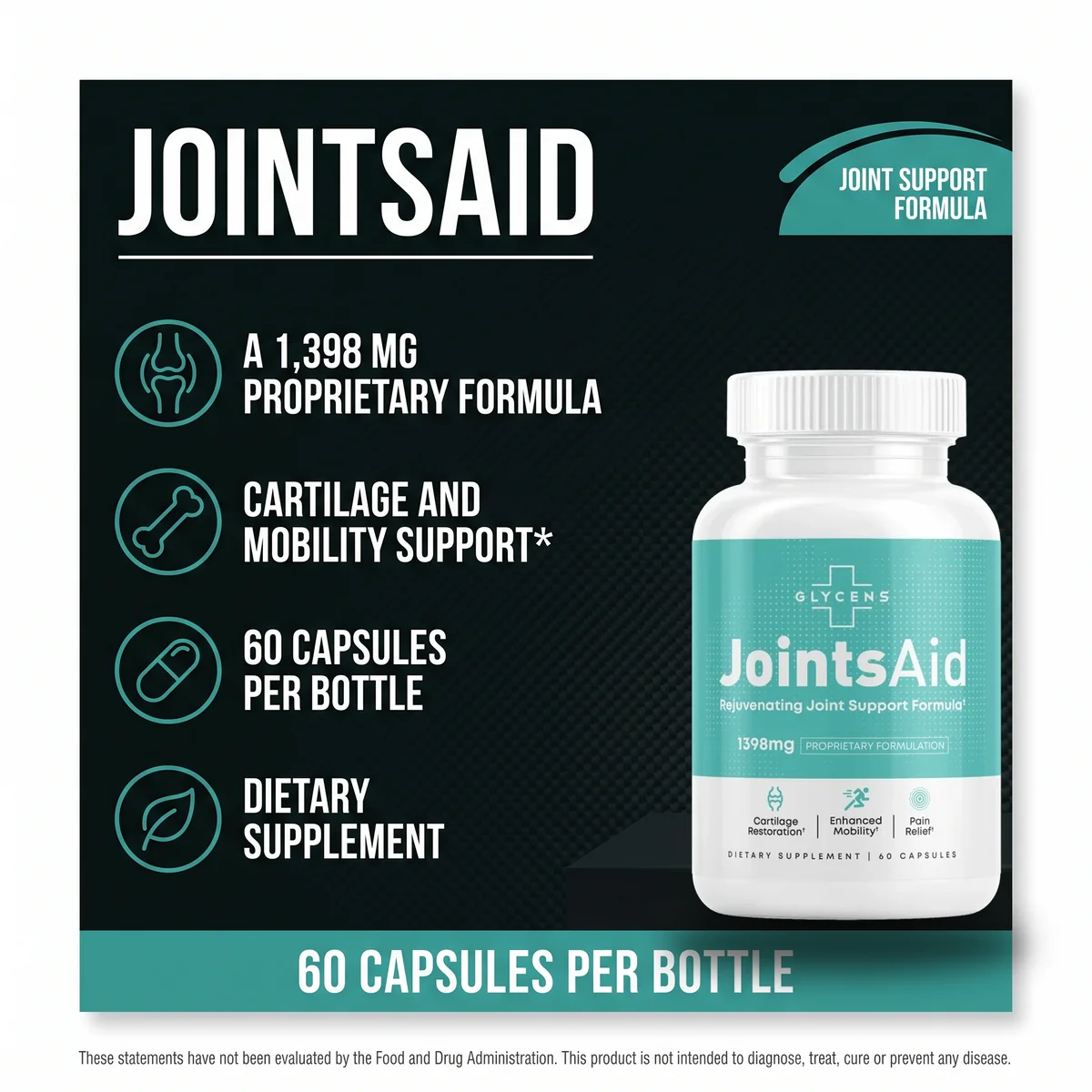
JointsAid includes both MSM and turmeric because the two actives answer different questions, and a routine is stronger when it is not staking everything on one mechanism (Kim LS et al., Osteoarthritis and Cartilage, 2006). The formula is built in two layers: a base of the cartilage building block glucosamine and a 1,398 mg proprietary blend carrying the comfort actives, including turmeric, MSM, quercetin and boswellia serrata. MSM contributes sulfur for connective tissue, turmeric contributes curcumin for inflammatory balance, and neither is asked to do the other’s job.
What does one daily serving deliver?
The practical payoff is convenience without compromise. A single daily serving delivers the structural nutrients and both comfort actives at once, which is easier to stick with than juggling separate bottles. To see how the blend is put together, our full JointsAid review walks through the label, and the ingredients section lists every component.
How should you choose between them — or not?
Choosing between MSM and turmeric only makes sense if you insist on a single ingredient; for most people the more useful question is how to get sensible amounts of both. If budget forces one choice, MSM suits a focus on connective-tissue raw materials and antioxidant support, turmeric a focus on inflammatory balance. The guide below frames it that way.
| If your priority is… | Lean toward | Why |
|---|---|---|
| Connective-tissue raw materials | MSM | Supplies sulfur used in cartilage and collagen |
| Everyday inflammatory balance | Turmeric | Curcumin is studied for that pathway |
| Antioxidant support | MSM | Sulfur feeds glutathione production |
| A traditional, food-based botanical | Turmeric | Long culinary and Ayurvedic history |
| Covering more angles at once | Both (a blend) | Different mechanisms, one routine |
For most readers the last row is the honest recommendation: covering more angles at once, in one routine, is why blended formulas exist. For more botanicals, see our overview of boswellia serrata for joint pain, and how to relieve joint pain naturally puts supplements in the context of movement and diet.
What does the evidence actually support?
The evidence for both MSM and turmeric is promising but not conclusive, and honesty about that gap matters. MSM trials are generally small and short, showing good tolerability and modest signals for comfort. Curcumin research is more extensive but muddied by different formulations, so results do not always transfer between products. Neither ingredient is a treatment for arthritis or any diagnosed condition — they are studied as support for everyday comfort, and dietary supplements are not intended to diagnose, treat, cure or prevent any disease.
How long before you notice anything?
Keep expectations realistic. Both actives work gradually, so give any joint routine two to three months of consistent daily use before judging it, and treat supplements as one lever alongside movement, strength and weight management — not a replacement for them.
Frequently asked questions
MSM or turmeric — which is better for joints?
Neither is strictly better; they work through different routes. MSM is a sulfur donor the body uses in connective tissue and antioxidant pathways, while turmeric’s curcumin is a plant polyphenol studied for its role in a balanced inflammatory response. Many formulas, including JointsAid, pair them so the routine is not betting on a single mechanism.
What is the difference between sulfur and curcumin for joints?
Sulfur from MSM is a raw material the body incorporates into cartilage, collagen and keratin and uses to make glutathione, an internal antioxidant. Curcumin from turmeric is not a building block; it is a signalling molecule studied for how it interacts with the pathways behind everyday inflammatory balance. One supplies material, the other influences a process.
Can you take MSM and turmeric together?
Yes, they are commonly combined and have no known interaction with each other. Because their mechanisms differ, taking both is a way to cover more of the comfort picture at once. Anyone on blood thinners, on other medication, or who is pregnant should ask a doctor first, as turmeric may affect clotting at higher doses.
How much MSM and turmeric are typical in joint formulas?
Studies of MSM often use 1.5 to 3 grams a day, while turmeric extracts are usually standardised for curcumin content and taken in the hundreds of milligrams. Blended comfort formulas typically use smaller amounts of each alongside cartilage nutrients rather than a single high dose, so the exact figure depends on the product.
Does JointsAid contain both MSM and turmeric?
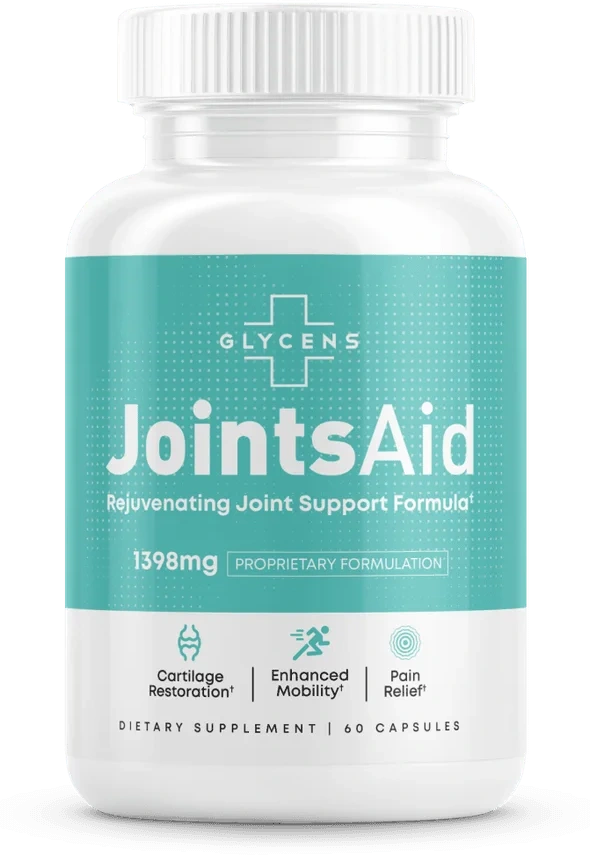
Yes. JointsAid layers both MSM and turmeric into a 1,398 mg proprietary blend that also includes quercetin and boswellia serrata, on top of the cartilage building block glucosamine. The idea is to combine a sulfur donor and a curcumin botanical in one daily daily routine.
How long do MSM and turmeric take to work for joints?
Both are gradual rather than instant. In studies, comfort measures tend to shift over several weeks of consistent daily use rather than within a day or two, so most people give a joint routine two to three months before judging it. Individual results vary and these ingredients support comfort rather than treat any condition.
See what JointsAid actually names →
JointsAid is a dietary supplement, not a treatment for any medical condition. These statements have not been evaluated by the Food and Drug Administration. This product is not intended to diagnose, treat, cure or prevent any disease. Always consult a qualified healthcare professional about your individual needs.
References & further reading
- National Center for Complementary and Integrative Health (NCCIH). Turmeric. nccih.nih.gov/health/turmeric
- Debbi EM et al., BMC Complementary and Alternative Medicine, 2011. Efficacy of methylsulfonylmethane supplementation on osteoarthritis of the knee: a randomized controlled study. Debbi EM et al., BMC Complementary and Alternative Medicine, 2011 — PubMed 21708034
- Zhao J et al., Journal of Ethnopharmacology, 2024. Efficacy and safety of curcumin therapy for knee osteoarthritis: a Bayesian network meta-analysis. Zhao J et al., Journal of Ethnopharmacology, 2024 — PubMed 38036015
- Examine.com. Curcumin — evidence-based summary. examine.com/supplements/curcumin
- Examine.com. Methylsulfonylmethane (MSM) — evidence-based summary. examine.com/supplements/msm
- Mayo Clinic. Turmeric — consumer overview. mayoclinic.org/drugs-supplements-turmeric
- Kim LS et al., Osteoarthritis and Cartilage, 2006. Efficacy of methylsulfonylmethane (MSM) in osteoarthritis pain of the knee: a pilot clinical trial. Kim LS et al., Osteoarthritis and Cartilage, 2006 — PubMed 16309928
- Kuptniratsaikul V et al., Clinical Interventions in Aging, 2014. Efficacy and safety of Curcuma domestica extracts compared with ibuprofen in patients with knee osteoarthritis: a multicenter study. Kuptniratsaikul V et al., Clinical Interventions in Aging, 2014 — PubMed 24672232
- Daily JW et al., Journal of Medicinal Food, 2016. Efficacy of Turmeric Extracts and Curcumin for Alleviating the Symptoms of Joint Arthritis: A Systematic Review and Meta-Analysis of Randomized Clinical Trials. Daily JW et al., Journal of Medicinal Food, 2016 — PubMed 27533649
These references describe the ingredients in general terms and do not constitute evidence that any product treats, cures or prevents any condition.
Keep reading: the MSM supplement · the turmeric supplement · the JointsAid blog · homepage.