Boswellia serrata for joint pain: the JointsAid guide

Updated August 2026 · reviewed by the JointsAid Research Team. We are an independent information resource, not a medical provider, and this article is educational rather than medical advice.
Boswellia serrata is a tree native to India whose gum resin — a form of frankincense — has been used in Ayurvedic tradition for centuries to support supple, comfortable joints (NCCIH, Boswellia). In modern supplements, including JointsAid, it appears as a standardized extract prized for its boswellic acids, working as a comfort botanical rather than a treatment for any disease.
What boswellia is, and how it fits a joint routine, in one place.
- What it is
- The gum resin of the Boswellia serrata tree — the Indian frankincense used in Ayurveda for generations, valued for its boswellic acids.
- The evidence
- Traditional use is long-standing; modern research is promising but still limited, so it is supportive rather than proven.
- Where it fits
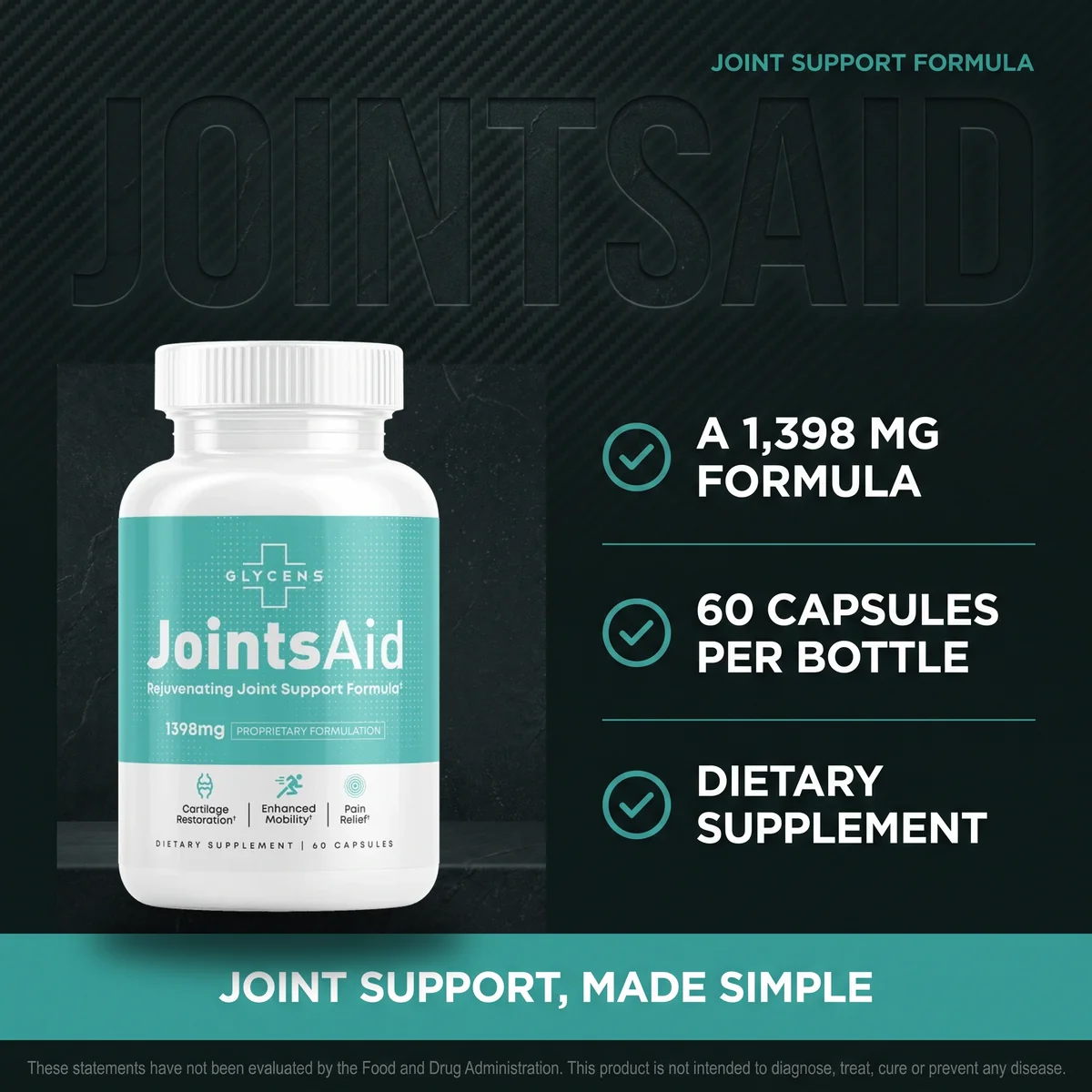
- Boswellia is one botanical inside the JointsAid 1,398 mg blend, layered alongside glucosamine, MSM and quercetin.
- Honest caveat
- It is not a cure or a treatment. Give it weeks of daily use, pair it with movement, and ask a doctor if you take medication.
Few joint ingredients have a story as old as boswellia. This guide explains what boswellia serrata is, what boswellic acids are thought to do, and how honestly the science stacks up — then shows where it sits inside a blend like JointsAid.
What is boswellia serrata, and why is it used for joint pain?
Boswellia serrata is a branching tree that grows in the dry hills of India, and the ingredient people take is the gum resin that seeps from its bark when it is tapped. That resin is a form of frankincense, dried and used in Ayurvedic tradition for centuries to support joints that feel stiff or tired. In a supplement it is usually a standardized extract, concentrated so a known share of its active compounds appears in every capsule. It is a comfort botanical for everyday ease of movement, not intended to diagnose, treat or cure anything.
Where does boswellia come from? A short Ayurvedic history
Boswellia’s history is essentially the history of frankincense, one of the oldest botanical materials in continuous human use. In the traditional Indian system of Ayurveda, the resin — known there as shallaki — was valued for supporting comfortable joints and easy movement, often combined with other warming botanicals. That heritage is why boswellia still carries a “time-tested” reputation among herbalists today.
Is boswellia the same as frankincense?
Frankincense is the aromatic resin harvested from trees in the Boswellia genus, and Boswellia serrata is the Indian species most often used for oral joint supplements. So a “frankincense joint supplement” and a “boswellia extract” usually point to the same botanical source — the difference is preparation. The supplement version is refined and concentrated for consistent oral use rather than for its scent.

How does boswellia serrata work in the body?
Boswellia’s reputation rests on compounds in its resin called boswellic acids, which researchers have studied for how they interact with the body’s natural inflammatory pathways (Sengupta K et al., Arthritis Research & Therapy, 2008). The idea explored in the literature is that boswellic acids may help support a calmer everyday inflammatory balance, which is why the resin is grouped with comfort botanicals rather than cartilage building blocks. To be precise, this is a proposed mechanism under active study, not a settled fact — boswellia is a supportive ingredient, not a drug.
What are boswellic acids?
Boswellic acids are the naturally occurring compounds that give boswellia resin its interest for joint wellness, and a high-quality extract is standardized to contain a reliable percentage of them. When a label lists boswellia “standardized to 65% boswellic acids,” that figure describes how concentrated the active fraction is. Standardization matters because raw resin varies from harvest to harvest.
What does the research say about boswellia for joints?
The honest summary is that boswellia has a long traditional record and a growing — but still limited — body of modern research, so it should be read as promising rather than proven. Small trials and reviews have explored boswellia extracts for joint comfort and stiffness, and independent resources such as Examine.com and the National Center for Complementary and Integrative Health note that study quality varies and larger, more rigorous trials are still needed. The table below frames the evidence plainly (Dalmonte T et al., Phytotherapy Research, 2024).
| Aspect | What we can say | How strong is it? |
|---|---|---|
| Traditional use | Centuries of use in Ayurveda for joint comfort and mobility. | Long-standing, but tradition is not proof. |
| Human research | Small trials and reviews explore joint comfort and stiffness. | Promising but limited; quality varies. |
| Proposed mechanism | Boswellic acids studied for effects on inflammatory balance. | Plausible, still under active study. |
| Standardization | Extracts standardized to boswellic acids for consistency. | Widely used industry practice. |
| Overall verdict | A supportive comfort botanical within a wider routine. | Not a proven treatment for any disease. |
In short, boswellia earns its place as a traditional comfort botanical with encouraging early science, fairly represented as a support to the habits that carry the most weight — movement, strength and reaching a comfortable weight. For the foundation those habits rest on, see our guide to relieving joint pain naturally.
See what JointsAid actually names
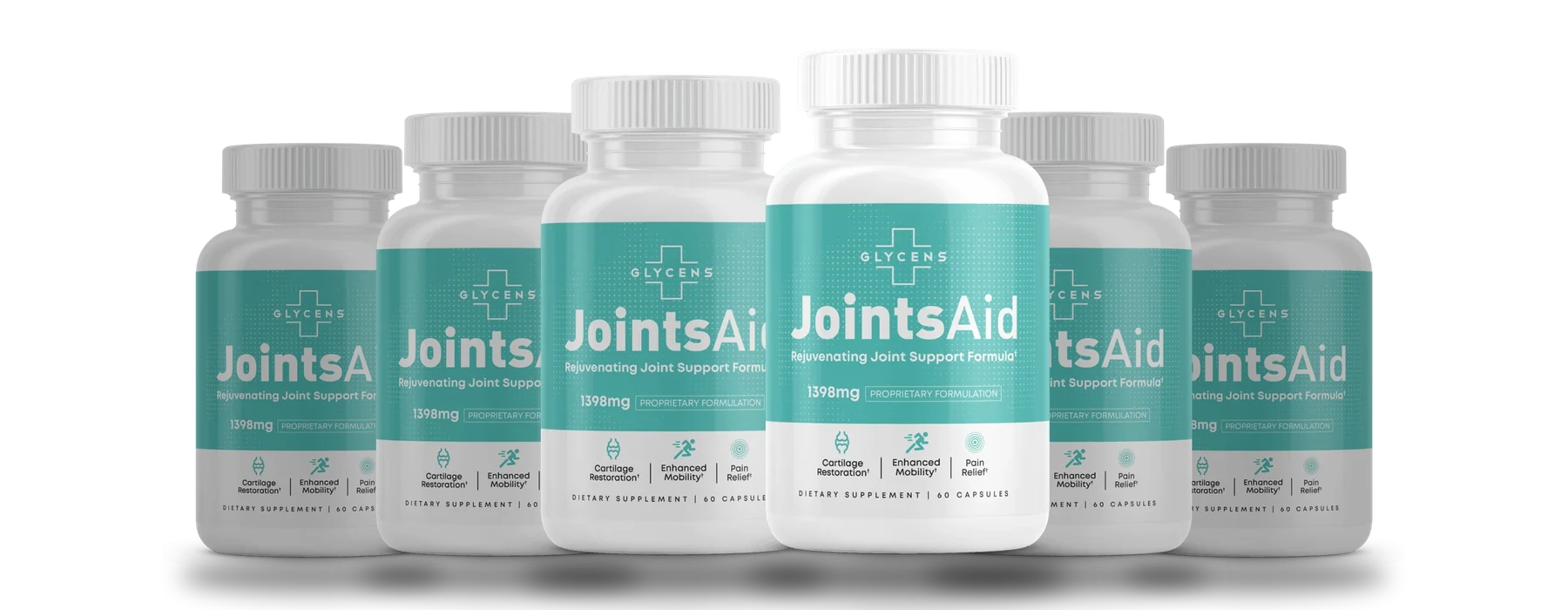
JointsAid pairs boswellia serrata, turmeric, MSM and quercetin in a 1,398 mg blend with glucosamine, turmeric, MSM, quercetin and boswellia serrata. The six-bottle bundle is the best value at $49 per bottle, with free U.S. shipping and a 60-day guarantee.
Order JointsAid — from $49/bottleHow does boswellia fit into the JointsAid formula?
Inside JointsAid, boswellia is one botanical within a 1,398 mg proprietary comfort blend that sits on top of the formula’s cartilage nutrients. The logic is simple: give the joint its structural raw materials first, then layer comfort botanicals over the top. So glucosamine, turmeric, MSM, quercetin and boswellia serrata supply the building blocks associated with cartilage, while the blend adds boswellia serrata, turmeric, MSM and quercetin. Boswellia is not asked to do the whole job alone; it contributes to a stack where each ingredient plays a supporting part.
| Layer in JointsAid | Ingredients | Role in the blend |
|---|---|---|
| Cartilage nutrient | Glucosamine | The structural building blocks associated with cartilage. |
| Comfort botanicals | Boswellia, turmeric, ginger | Traditional botanicals used for everyday comfort and mobility. |
| Sulfur companion | MSM | Supplies sulfur the body uses in connective tissue. |
| Format | Two capsules, once daily | A convenient, repeatable step you take with a meal. |
Because boswellia is standardized within the blend, every serving carries a consistent share of it rather than a variable pinch of raw resin. To see how the botanicals sit alongside the cartilage nutrients, read our guide to glucosamine and chondroitin for joints.
How much boswellia should you take, and how long until it helps?
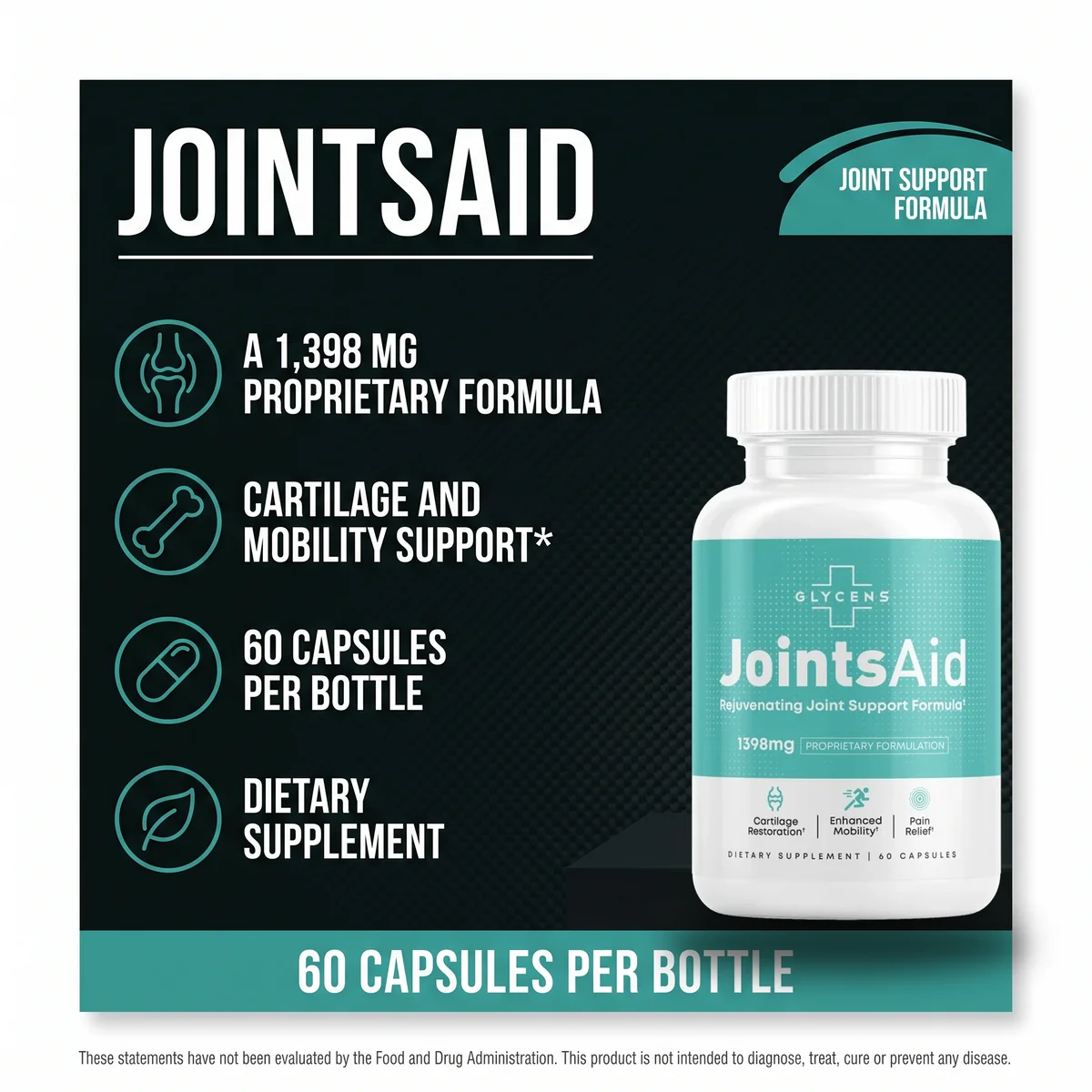
There is no single official dose of boswellia, because amounts in research vary with the extract and its standardization — which is why a formulated blend states its own serving rather than leaving you to guess. In JointsAid, boswellia is part of the fixed daily serving, and the per-capsule amount is printed on the Supplement Facts panel, the one authoritative place to read the exact dose. As a botanical, it is meant to be taken consistently, so give a joint formula several weeks of daily use before judging it.
How should you take a boswellia joint supplement?
The practical approach is simple: take it at the same time each day, ideally with a meal, and treat it as one steady habit rather than a quick fix. Because comfort botanicals build gradually and work alongside movement and diet, joint nutrients are usually bought in a multi-month supply — compare the packages and pricing on the homepage.
Is boswellia safe? Who should avoid it?
Boswellia is generally well tolerated, with the most commonly reported issues being mild and digestive, such as an upset stomach in some people. That general record is not a substitute for personal medical advice. Anyone who is pregnant or breastfeeding, takes prescription medication, or manages a health condition should speak with a doctor before starting a boswellia or frankincense joint supplement. And it bears repeating that boswellia supports everyday comfort within a healthy routine — it is not a treatment for arthritis or any diagnosed condition, and persistent, severe or sudden joint problems deserve a professional assessment.
Frequently asked questions
What is boswellia serrata, and how does it relate to joint pain?
Boswellia serrata is a tree native to India whose gum resin, a form of frankincense, has been used in Ayurvedic tradition for centuries to support joint comfort and easy movement. In modern supplements it is a comfort botanical, valued for its boswellic acids, and it is included for everyday support rather than as a treatment for any disease.
Is boswellia the same as frankincense?
They come from the same family. Frankincense is the aromatic resin harvested from Boswellia trees, and Boswellia serrata is the Indian species most often standardized for joint supplements. So a frankincense joint supplement and a boswellia extract typically refer to the same botanical source, prepared for oral use rather than for incense.
How much boswellia is in JointsAid?
Boswellia is one of the botanicals inside the JointsAid 1,398 mg proprietary blend, alongside turmeric, MSM and quercetin, sitting on top of the cartilage nutrient glucosamine. The exact per-capsule amount is listed on the JointsAid Supplement Facts panel, which is the definitive source for the dose.
Does boswellia serrata work for joint comfort?
Boswellia has a long traditional record and a growing but still limited body of modern research exploring its role in joint comfort and stiffness. The evidence is promising rather than conclusive, studies vary in quality, and results differ from person to person, so it is best viewed as a supportive botanical within a wider routine, not a proven remedy.
How long does boswellia take to work?
Botanicals like boswellia are generally taken daily and build their support gradually, so most people give a joint formula several weeks of consistent use before judging it. Because comfort ingredients work alongside movement, strength and weight habits, the timeframe overlaps with the broader lifestyle changes that also take weeks to settle in.
Is boswellia safe, and who should avoid it?
Boswellia is generally well tolerated, with occasional mild digestive upset reported. As with any supplement, people who are pregnant or breastfeeding, take prescription medication, or have a health condition should speak with a doctor before starting, and boswellia is a support for everyday comfort, not a substitute for medical care.
Check today’s JointsAid pricing →
JointsAid is a dietary supplement, not a treatment for any medical condition. These statements have not been evaluated by the Food and Drug Administration. This product is not intended to diagnose, treat, cure or prevent any disease. Always consult a qualified healthcare professional about your individual needs.
References & further reading
- National Center for Complementary and Integrative Health (NCCIH). Rheumatoid Arthritis: In Depth (herbs and supplements). nccih.nih.gov/health/rheumatoid-arthritis-in-depth
- Examine.com. Boswellia serrata — evidence-based summary. examine.com/supplements/boswellia-serrata
- Yu G et al., BMC Complementary Medicine and Therapies, 2020. Effectiveness of Boswellia and Boswellia extract for osteoarthritis patients: a systematic review and meta-analysis. Yu G et al., BMC Complementary Medicine and Therapies, 2020 — PubMed 32680575
- National Institute of Arthritis and Musculoskeletal and Skin Diseases (NIAMS). Osteoarthritis — Overview. niams.nih.gov/health-topics/osteoarthritis
- Priya S & Singhvi G, Expert Opinion on Investigational Drugs, 2023. Insights into the anti-inflammatory and anti-arthritic potential of 3-acetyl-11-keto-β-boswellic acid as a therapeutic approach in rheumatoid arthritis. Priya S & Singhvi G, Expert Opinion on Investigational Drugs, 2023 — PubMed 37817458
- Sengupta K et al., Arthritis Research & Therapy, 2008. A double blind, randomized, placebo controlled study of the efficacy and safety of 5-Loxin for treatment of osteoarthritis of the knee. Sengupta K et al., Arthritis Research & Therapy, 2008 — PubMed 18667054
- Dalmonte T et al., Phytotherapy Research, 2024. Efficacy of Extracts of Oleogum Resin of Boswellia in the Treatment of Knee Osteoarthritis: A Systematic Review and Meta-Analysis. Dalmonte T et al., Phytotherapy Research, 2024 — PubMed 39314013
- NCCIH, Boswellia. www.nccih.nih.gov/health/boswellia
These references describe the ingredient and habits in general terms and do not constitute evidence that any product treats, cures or prevents any condition.
Keep reading: glucosamine and chondroitin · best foods for joint health · the JointsAid review · the JointsAid blog.