Quercetin for joint pain: why JointsAid includes this plant flavonoid

Updated August 2026 · reviewed by the JointsAid Research Team. We are an independent information resource, not a medical provider, and this article is educational rather than medical advice.
Quercetin is a plant flavonoid — a colourful antioxidant compound found in onions, apples and leafy greens — that helps neutralise free radicals and interacts with some of the body’s inflammatory signalling. In a joint formula like JointsAid, quercetin is an antioxidant supporting player, working alongside cartilage nutrients rather than acting as a treatment for any condition.
What quercetin is, and where it fits for joints.
- What it is
- A plant flavonoid antioxidant, one of the pigments that gives onions, apples and berries their colour and part of a normal diet.
- Why joints
- Its antioxidant and inflammation-modulating activity is why quercetin turns up in modern joint and mobility blends.
- Honest evidence
- Lab and early human data are promising, but human joint-comfort proof is still limited — quercetin is a support, not a cure.
- In JointsAid
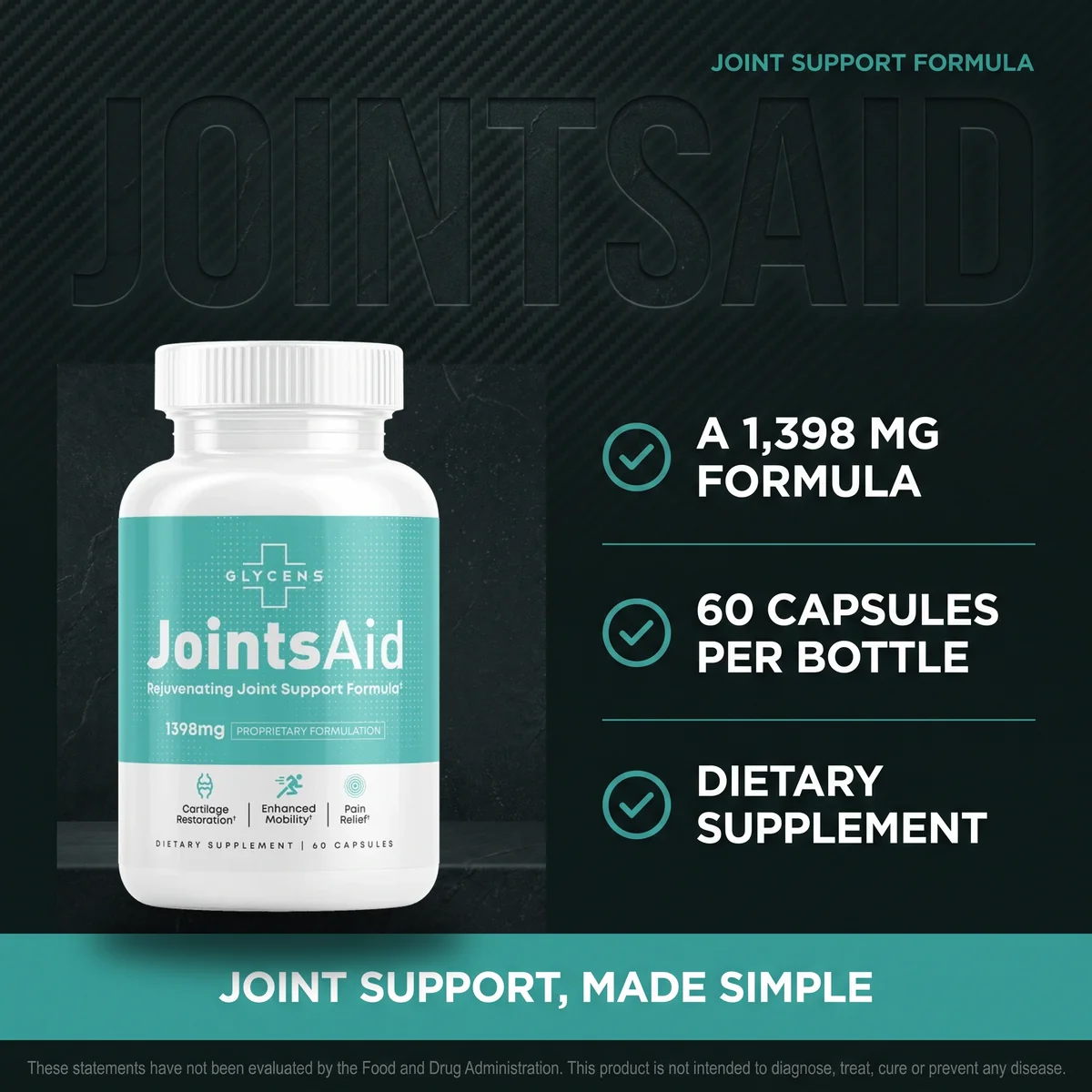
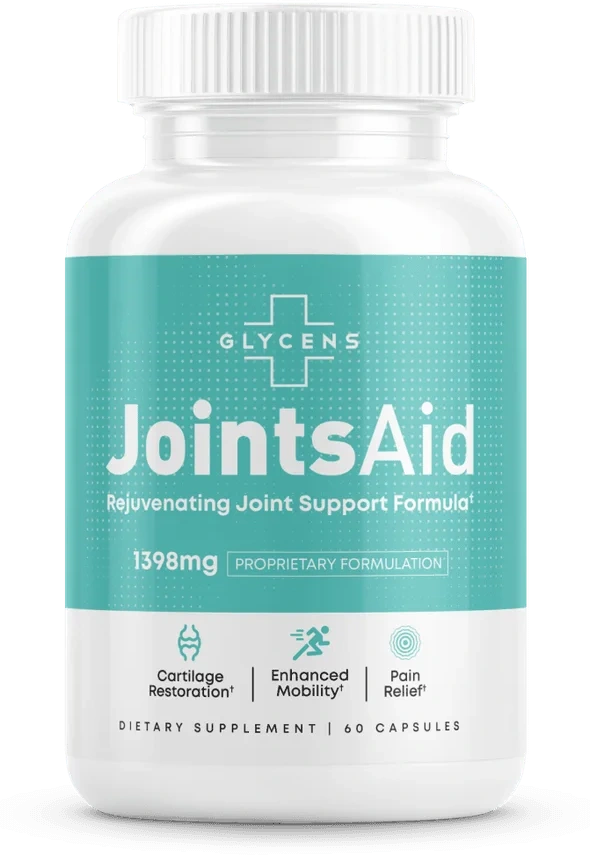
- Quercetin sits inside the 1,398 mg proprietary formulation, beside turmeric, MSM and boswellia serrata, on a base of glucosamine.
If you have read the label on a modern joint supplement, you may have spotted quercetin listed among the botanical extracts and wondered what a compound from onions and apples is doing next to glucosamine. It is a fair question. Quercetin is one of the most studied dietary flavonoids, and it earns its place in a mobility formula for reasons that are worth understanding clearly — including where the evidence is strong and where it is still thin. This guide explains what quercetin is, how it behaves in the body, and why JointsAid includes it in its botanical blend.
What is quercetin, exactly?
Quercetin is a plant flavonoid — a member of the large family of antioxidant compounds that give many fruits, vegetables and flowers their colour (NCCIH, Antioxidant Supplements: What You Need To Know). It is one of the most abundant flavonoids in the typical diet, concentrated in red and yellow onions, apples (especially the skin), capers, berries, kale, broccoli and green tea. Chemically it belongs to a subgroup called flavonols, and like other antioxidants its job is to help the body mop up reactive molecules known as free radicals. Because free-radical activity and oxidative stress are part of how tissues age and respond to strain, an antioxidant that is plentiful, well-studied and food-derived is naturally of interest to anyone building a joint-support formula.
How does a plant antioxidant relate to joints?
The link between plant antioxidants and joints runs through oxidative stress and the body’s inflammatory balance. Joints are living tissue, and everyday use, past strain and simple wear generate free radicals within and around the cartilage and the fluid-filled joint capsule. In laboratory and animal studies, quercetin shows antioxidant activity and appears to influence some of the signalling molecules involved in the inflammatory response. That is the mechanistic reason it is grouped with ingredients like turmeric and ginger in comfort blends: not because it numbs pain, but because it belongs to the family of plant compounds studied for their role in a calmer oxidative and inflammatory environment.
It is important to keep the altitude honest here. Most of the strongest quercetin data comes from cell cultures and animal models, which show what a compound can do under controlled conditions, not what a capsule reliably does for a person’s knees. That gap between mechanism and outcome is exactly why a responsible formula treats quercetin as one antioxidant among several, rather than a headline “joint cure.”
What does the human evidence actually say?
The honest summary is that quercetin’s human joint-comfort evidence is early, limited and mixed. A handful of small clinical trials have explored quercetin for inflammatory and joint-related outcomes, with some reporting modest improvements in markers or self-reported comfort and others finding little effect (Javadi F et al., Journal of the American College of Nutrition, 2017). Reviews of the wider flavonoid literature tend to reach the same measured conclusion: the antioxidant biology is real and interesting, but the quality and size of human joint studies are not yet enough to make firm claims. Independent summaries such as those on Examine.com and the resources at the National Center for Complementary and Integrative Health reflect this cautious position.
So read quercetin as a promising, food-derived antioxidant with a plausible mechanism and a still-developing evidence base — a supporting ingredient, never a substitute for movement, weight management, diet or medical care. Our guide to relieving joint pain naturally puts supplements in that supporting context.
| Quercetin in food | Approx. quercetin content* | Everyday note |
|---|---|---|
| Red onion | High | One of the richest common sources; most is near the skin. |
| Capers | Very high | Among the most concentrated dietary sources by weight. |
| Apple (with skin) | Moderate | The classic “apple a day” flavonoid; peeling removes much of it. |
| Kale & broccoli | Moderate | Leafy greens add quercetin alongside other flavonols. |
| Berries & green tea | Low–moderate | Smaller amounts, but easy to include daily. |
*Content is approximate and varies widely with variety, ripeness, storage and cooking. Figures are illustrative, not a nutrition-label guarantee.
Can I just eat onions and apples instead?
Eating quercetin-rich foods is a genuinely good habit, and it is where most people get the flavonoid in the first place. The practical catch is consistency: the amount in any given onion or apple swings with variety, storage and how you cook it, and much of the quercetin lives in the skin that often gets peeled or trimmed. A standardised supplement provides a steadier daily amount, which is why formulas include it — but this is a “both/and,” not an “either/or.” A colourful plate and a joint formula work together (Zhang Y et al., Nutrients, 2025).

See what JointsAid actually names →
Why does JointsAid include quercetin?
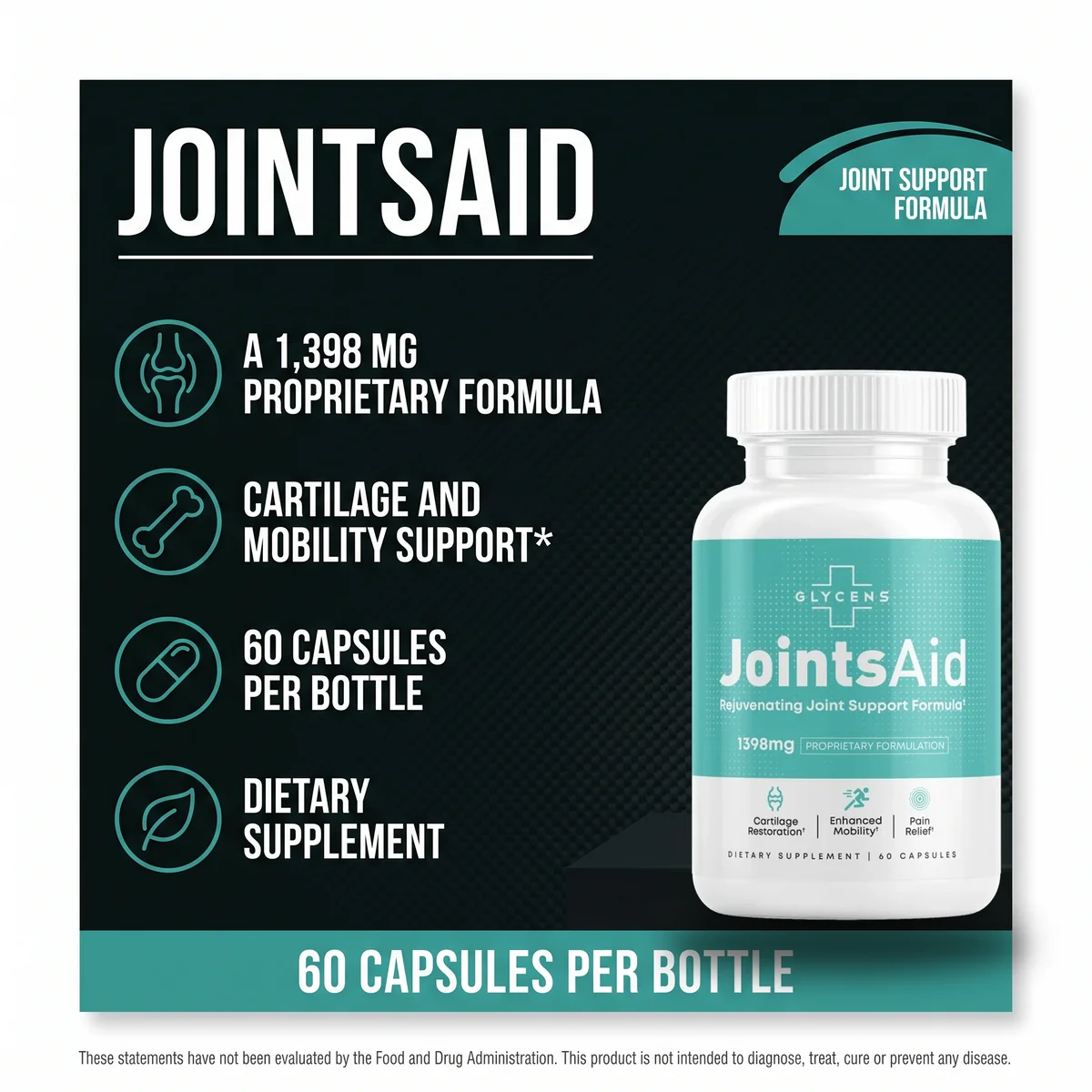
JointsAid includes quercetin because a well-rounded joint formula benefits from more than one type of ingredient. The foundation of JointsAid is the the cartilage building block glucosamine which supply the raw materials associated with cartilage and cushioning. Layered on top is a 1,398 mg proprietary botanical blend that brings in plant compounds studied for the oxidative and inflammatory side of the picture: turmeric, MSM, quercetin, boswellia serrata and antioxidant flavonoids such as quercetin. The idea is complementary coverage: structural nutrients plus plant antioxidants, in one convenient daily habit.
| Layer in JointsAid | Example ingredients | General role |
|---|---|---|
| Cartilage building blocks | Glucosamine | Structural components associated with cartilage and cushioning. |
| Sulfur & comfort support | MSM | Supplies sulfur the body uses in connective tissue. |
| Botanical antioxidants | Turmeric, ginger, boswellia | Plant compounds long used in mobility and comfort blends. |
| Flavonoid antioxidants | Quercetin and related plant flavonoids | Food-derived antioxidants studied for oxidative balance. |
Because quercetin is one component of a proprietary blend, its exact per-capsule milligram figure is shown together with the rest of the blend on the label. You can review the full breakdown in the ingredients section, and read how the structural nutrients work in our companion guide to glucosamine and chondroitin for joints.
Quercetin, in a once-daily habit
JointsAid pairs cartilage nutrients with a 1,398 mg proprietary formulation — quercetin, turmeric, quercetin and boswellia serrata — in a daily routine. The six-bottle bundle is the best value at $49 per bottle, with free U.S. shipping and a 60-day guarantee.
Check today’s JointsAid pricing — from $49/bottleIs quercetin safe, and who should be careful?
Quercetin from food is eaten safely every day, and quercetin supplements have been used in research at typical daily doses without serious problems for most healthy adults. That said, “natural” does not mean “risk-free for everyone.” Quercetin can interact with certain medications — including some antibiotics, blood thinners and drugs processed by the liver — and high supplemental doses are less studied long-term. Anyone who is pregnant or nursing, on prescription medication, or managing a health condition should talk with a doctor first. Mention a shellfish allergy too, since glucosamine is often shellfish-derived.
How long does quercetin take to work for joints?
Antioxidant nutrients do not behave like a fast-acting painkiller. If quercetin offers any supportive benefit, it builds gradually alongside consistent movement, strength work and an anti-inflammatory diet — usually over several weeks to a few months rather than overnight. This is exactly why most people choose a multi-month supply of a joint formula: the point is a steady daily habit, not a same-day rescue. Individual results vary, and quercetin remains a support to a healthy routine, not a treatment.
How should you think about quercetin overall?
Think of quercetin as a well-studied, food-derived antioxidant with a plausible mechanism and a real role in a plant-rich diet — but with human joint evidence that is still early. It is not a reason to expect a supplement to erase joint pain, nor a replacement for the habits that do the heavy lifting: movement, muscle strength, a comfortable weight and an anti-inflammatory plate. Within that bigger picture, quercetin is a reasonable, evidence-aware addition to a botanical joint blend — exactly the supporting role it plays in JointsAid.
Frequently asked questions
What is quercetin and what does it do for joints?
Quercetin is a plant flavonoid, a colourful antioxidant compound found in onions, apples, capers and leafy greens. In the body it helps neutralise free radicals and interacts with some of the signalling pathways involved in the inflammatory balance around tissues. In joint formulas it is used as an antioxidant support alongside cartilage nutrients, not as a treatment for any disease.
Is quercetin proven to relieve joint pain?
No supplement is proven to relieve or cure joint pain, and quercetin is no exception. Laboratory and early human studies suggest quercetin has antioxidant and inflammation-modulating activity, but the human joint-comfort evidence is still limited and mixed. It is best viewed as one supporting antioxidant within a wider routine of movement, weight and diet.
How much quercetin is in JointsAid?
Quercetin is one of the botanical antioxidants inside the 1,398 mg proprietary blend in JointsAid, which also layers in turmeric, MSM, quercetin and boswellia serrata on top of glucosamine, turmeric, MSM, quercetin and boswellia serrata. The exact per-capsule milligram figure for each blend component is shown on the product’s Supplement Facts panel.
Can I just eat onions and apples instead of a supplement?
Eating quercetin-rich foods such as onions, apples, capers, berries and leafy greens is a healthy habit and a genuine source of the flavonoid. Food amounts are modest and vary with cooking and storage, so a standardised supplement offers a more consistent daily intake, but food and supplements are complementary rather than either-or.
Is quercetin safe to take daily?
Quercetin from food is eaten safely every day, and quercetin supplements have been used in studies at typical daily doses without serious problems for most healthy adults. Because it can interact with some medications, including certain antibiotics and blood thinners, anyone who is pregnant, nursing, on medication or managing a health condition should check with a doctor first.
How long does quercetin take to work for joints?
Antioxidant nutrients like quercetin do not act like a fast painkiller; any supportive benefit builds gradually alongside consistent movement and diet, typically over several weeks to a few months. Individual results vary, and quercetin is a support to a healthy routine rather than a same-day fix.
Try JointsAid risk-free for 60 days →
JointsAid is a dietary supplement, not a treatment for any medical condition. These statements have not been evaluated by the Food and Drug Administration. This product is not intended to diagnose, treat, cure or prevent any disease. Always consult a qualified healthcare professional about your individual needs.
References & further reading
- National Center for Complementary and Integrative Health (NCCIH). Antioxidants: In Depth. nccih.nih.gov/health/antioxidants-in-depth
- Samadi F et al., Pharmacology, 2022. Quercetin and osteoarthritis: a mechanistic review on the present documents. Samadi F et al., Pharmacology, 2022 — PubMed 35793647
- Ruan H et al., International Journal of Molecular Sciences, 2024. Quercetin modulates ferroptosis via the SIRT1/Nrf-2/HO-1 pathway and attenuates cartilage destruction in an osteoarthritis rat model. Ruan H et al., International Journal of Molecular Sciences, 2024 — PubMed 39000568
- Examine.com. Quercetin — evidence-based summary. examine.com/supplements/quercetin
- National Center for Complementary and Integrative Health (NCCIH). Turmeric. nccih.nih.gov/health/turmeric
- Javadi F et al., Journal of the American College of Nutrition, 2017. The Effect of Quercetin on Inflammatory Factors and Clinical Symptoms in Women with Rheumatoid Arthritis: A Double-Blind, Randomized Controlled Trial. Javadi F et al., Journal of the American College of Nutrition, 2017 — PubMed 27710596
- NCCIH, Antioxidant Supplements: What You Need To Know. www.nccih.nih.gov/health/antioxidant-supplements-what-you-need-to-know
- Zhang Y et al., Nutrients, 2025. Comparative Effectiveness of Nutritional Supplements in the Treatment of Knee Osteoarthritis: A Network Meta-Analysis. Zhang Y et al., Nutrients, 2025 — PubMed 40806131
These references describe the ingredients and habits in general terms and do not constitute evidence that any product treats, cures or prevents any condition.
Keep reading: how glucosamine and chondroitin work · the best foods for joint health · relieving joint pain naturally · the JointsAid review · back to the JointsAid blog.